Skip to content
HC Technology
N-Methylaniline
Categories:
Colorants & Intermediates Oil Additives

N-Methylaniline

Alias
NMA / N-Methylbenzenamine / Methylaniline / Monomethylaniline / N-Methylphenylamine / Methylphenylamine / N-Phenylmethylamine
CAS No.
Molecular Formula
C7H9N
Structure
N-Methylaniline Chemical Structure
Product Details

Product Overview

Product Summary

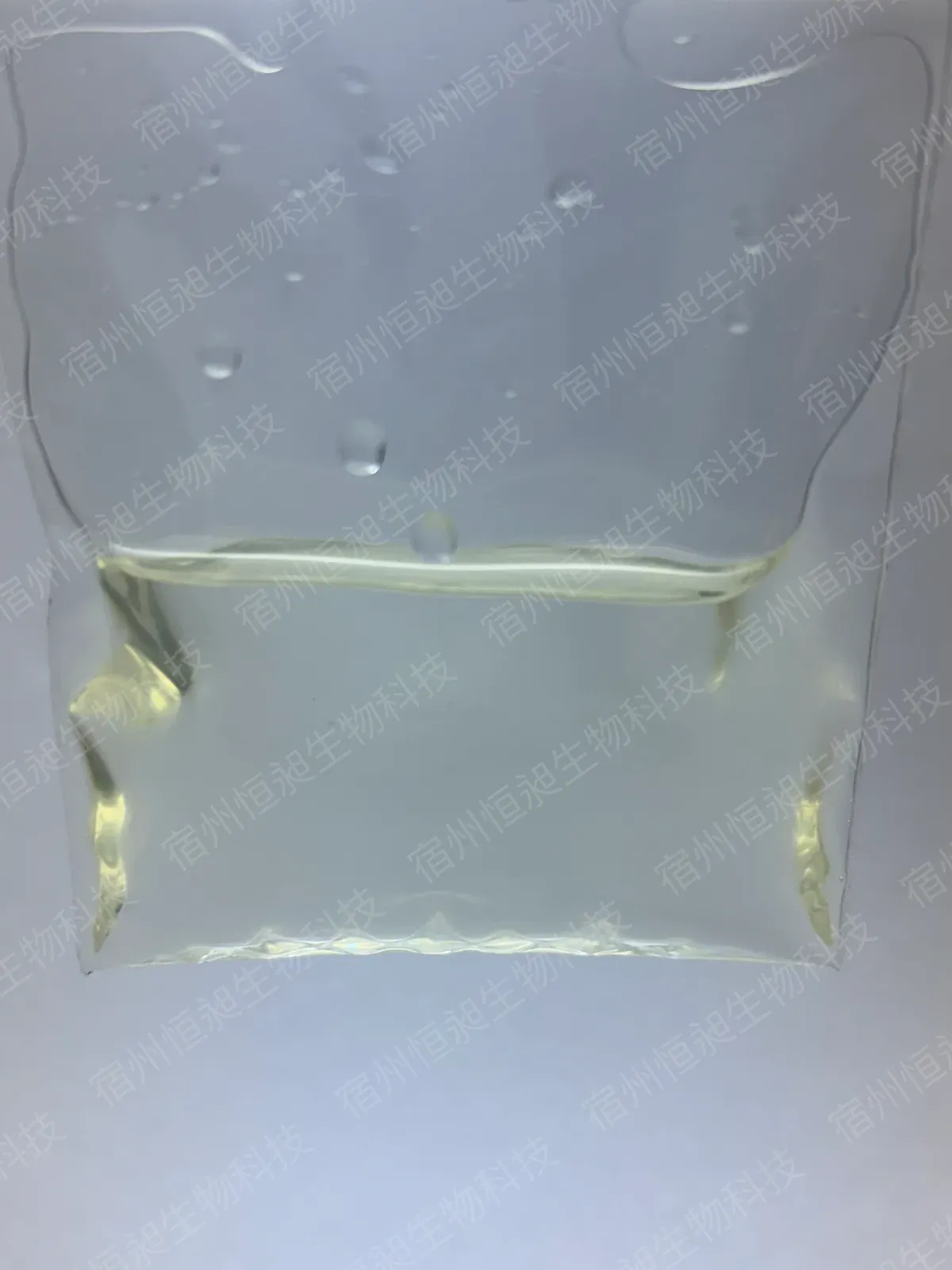
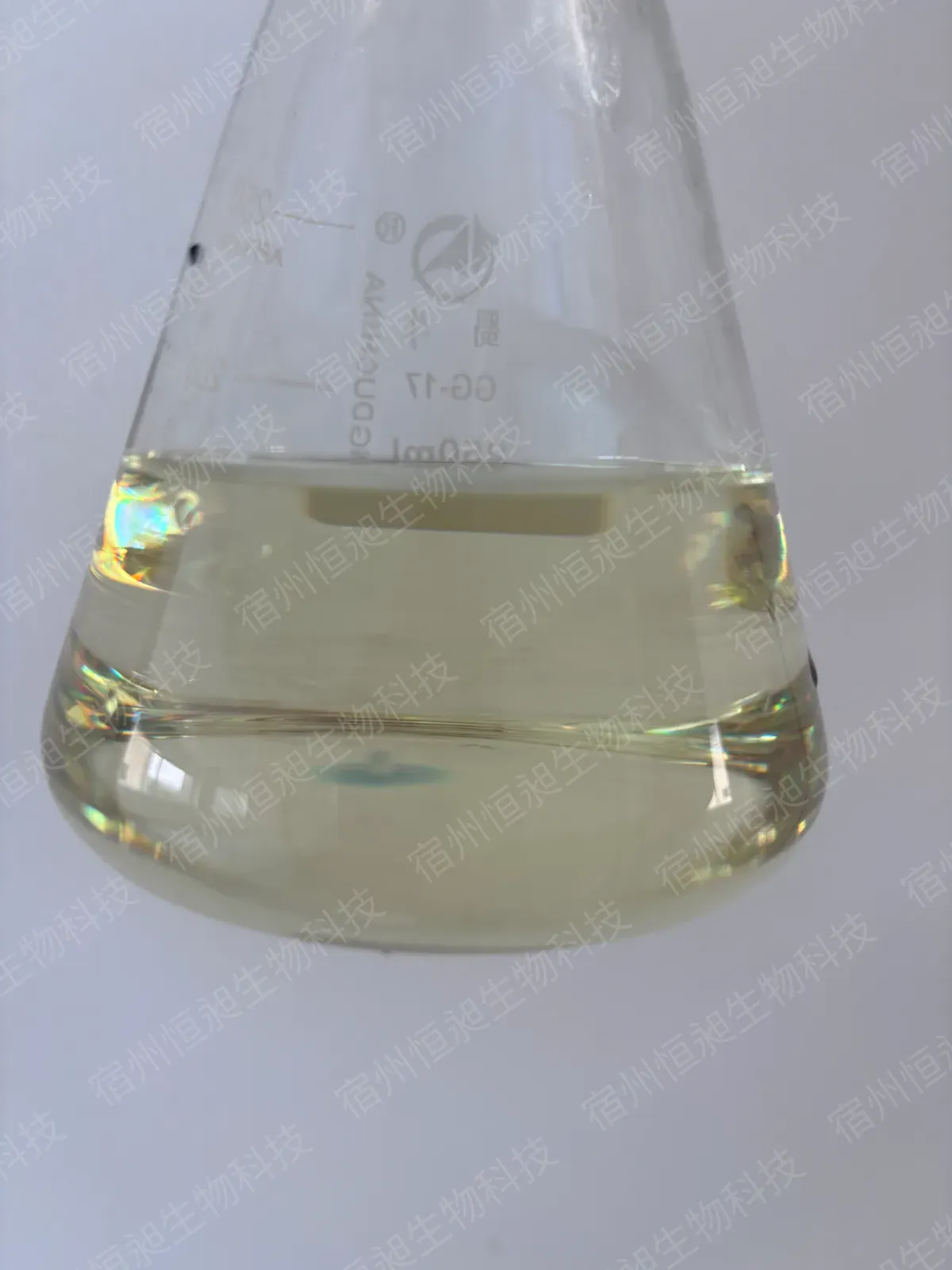
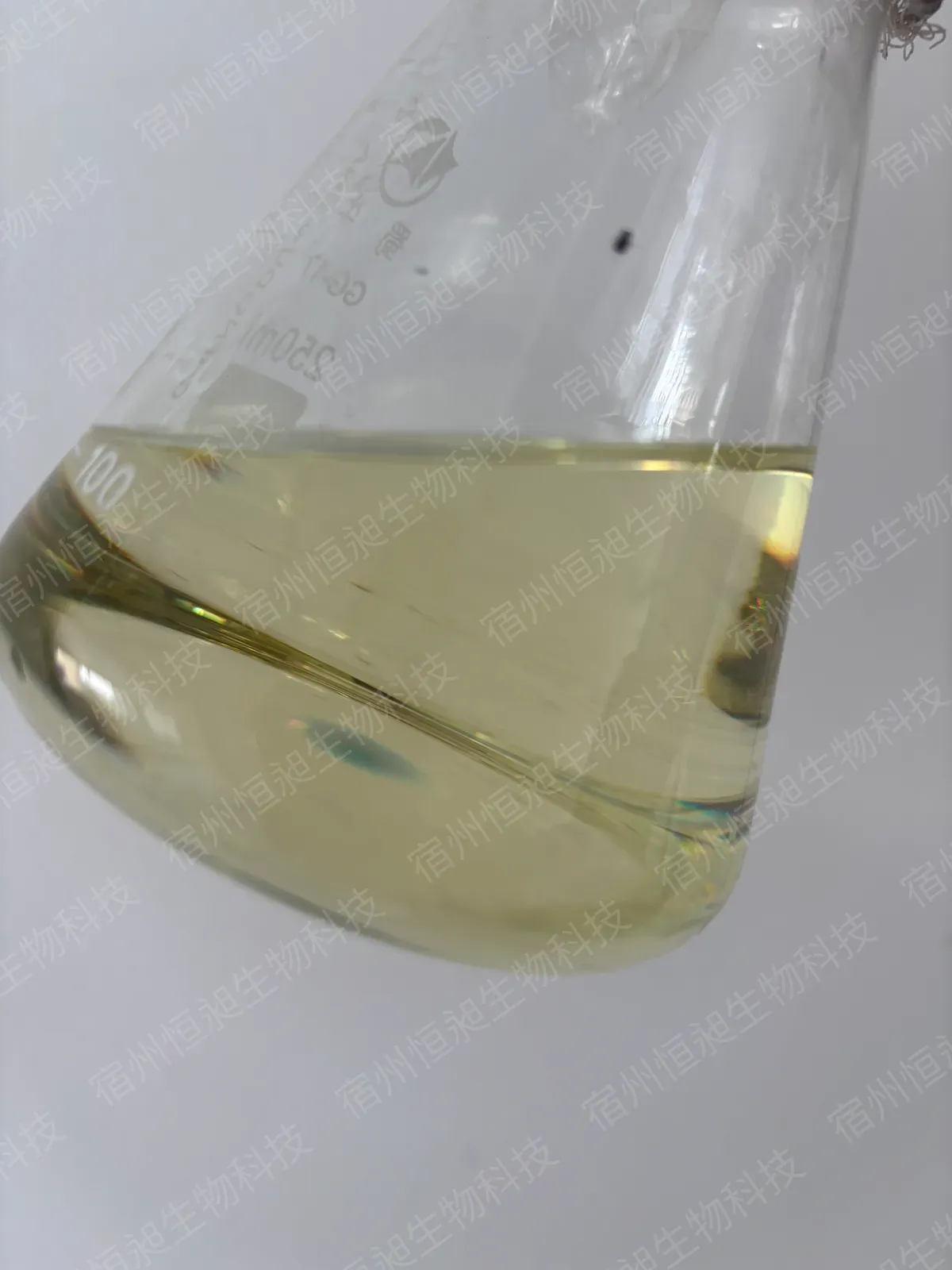
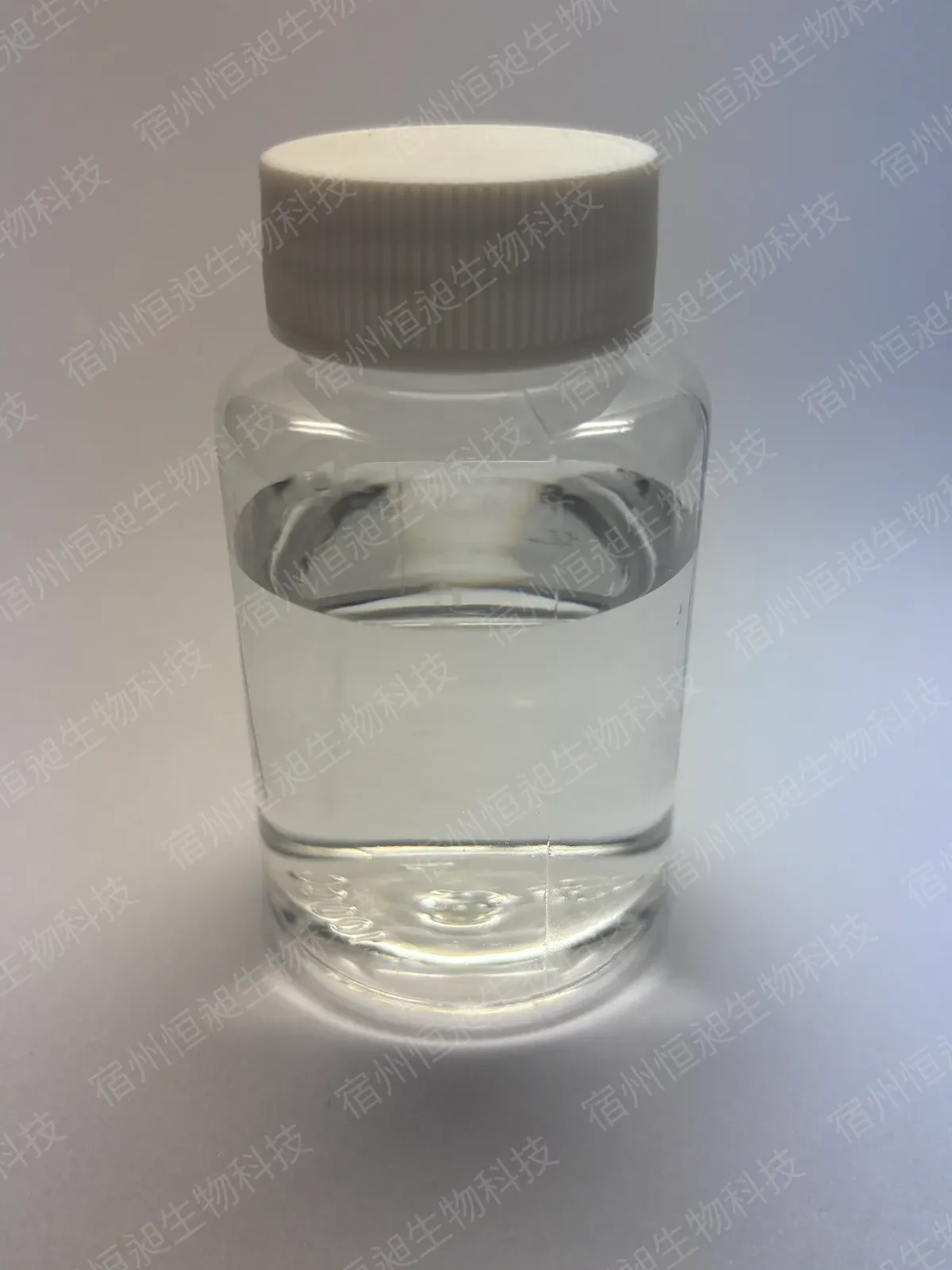
N-Methylaniline is the N-methylated derivative of aniline with molecular formula C7H9N and molecular weight 107.16. It is a light-yellow to reddish-brown clear oily liquid with a boiling range of 194-196°C and a freezing point at or below -57°C, slightly soluble in water and soluble in ethanol and ether (see specifications). The product's uses span specific fuel-market applications (only in markets and fuel uses where amine-based octane improvers are permitted) and dye intermediates, supplied in multiple purity grades. Its weak basicity comes from the secondary-amine structure, which is also the basis of its role in many synthesis routes.

Usage

Can be used as a gasoline octane improver (only in markets and fuel applications where amine-based antiknock additives are permitted; buyers must confirm compliance). Published literature reports its use to broaden the ignition limit range of fuel mixtures. Under China GB 17930-2016 deliberate addition to motor gasoline is prohibited, so blending use in China is not applicable; exports and non-motor fuel uses follow the target market's regulations. In the dye industry, it is one of the main intermediates for cationic dyes, used to produce Cationic Brilliant Red FG, Cationic Pink B and other functional dye varieties. It is also used in synthesizing specialty dyes and pigments. In the rubber industry, it serves as a raw material for rubber chemicals, used in producing rubber accelerator ZMPC (zinc methyl phenyldithiocarbamate) and other products, participating in vulcanization systems. In agrochemical applications, it is used to synthesize intermediates for insecticides such as buprofezin. In organic synthesis, it functions as an acid scavenger and solvent - absorbing free acid formed in situ to keep the reaction system stable.
Applications

Applications by Industry

Gasoline Antiknock & Fuel Blending

In markets and fuel applications where amine-based octane improvers are permitted, N-methylaniline can be used as a gasoline octane improver (buyers must confirm compliance with local fuel regulations); China's national motor-gasoline standard GB 17930-2016 prohibits deliberate addition of aniline-type compounds, so it is not applicable to Chinese motor-gasoline blending, and exports and non-motor fuel uses follow the target market's regulations. Published literature reports its use to broaden the ignition limit range of fuel mixtures. Density, boiling-range and freezing-point figures are listed on this page; GC assay grades of ≥99.0, 98.0, 95.0 and 92.0 are available for different process requirements.

Cationic Dye Intermediate

In the dye industry, N-methylaniline is one of the main intermediates for cationic dyes, used to synthesize Cationic Brilliant Red FG and Cationic Pink B, and serves as an N-alkylation building block for other specialty dyes and pigments.

Rubber Chemicals

As a raw material for rubber chemicals, it is used to produce rubber accelerator ZMPC (zinc methyl phenyldithiocarbamate), participating in vulcanization systems.

Agrochemicals & Organic Synthesis

It is used to synthesize intermediates for insecticides such as buprofezin; it also acts as an acid scavenger and solvent in organic synthesis - absorbing free acid formed in situ to keep the reaction system stable.
Specifications

Technical Specifications

Product Specifications
Appearance Light yellow to reddish-brown clear oily liquid
Content (GC) % ≥99.0, 98.0, 95.0, 92.0
Density (20°C) g/mL 0.985–0.990
Refractive index (n20/D) 1.568–1.573
Moisture % ≤0.1
Aniline content % ≤0.5
Boiling range °C 194–196
Freezing point °C ≤-57
Flash point °C ≥78
Ignition temperature °C 511
Upper explosive limit (%) 7.4
Lower explosive limit (%) 1.2
Solubility Slightly soluble in water; soluble in ethanol, ether and chloroform
Viscosity (mPa·s, 15°C) 2.568
Viscosity (mPa·s, 30°C) 1.766
Heat of vaporization (kJ/kg, 193.6°C) 423.6
Heat of formation (kJ/mol, liquid) 32.19
Heat of combustion (kJ/mol, constant volume) 4075.9
Electrical conductivity (S/m, 20°C) <10⁻⁷
Thermal conductivity (W/(m·K), room temp.) 0.185057
Volume expansion coefficient (K⁻¹) 0.000815
Logistics

Packaging, Storage & Transport

Packaging

200 kg iron or plastic drum; custom packaging available upon request. Sample arrangements and order quantities can be discussed during inquiry, and regular batches are produced against the order schedule.

Storage

Store sealed in a cool, dry, well-ventilated place; protect from light; keep away from heat and fire

Transport

Transport as hazardous chemicals per applicable regulations

FAQ

Frequently Asked Questions

Which purity grades are available?
Four GC assay grades are offered: ≥99.0, 98.0, 95.0 and 92.0. The product is a light-yellow to reddish-brown clear oily liquid; grades are selected by application, and batch figures are confirmed with our sales team.
What is the standard packaging?
Standard packaging is a 200 kg iron or plastic drum, and custom packaging is available; drums should stay sealed and protected from impact and exposure during storage and transport. As a hazardous chemical, packaging and transport follow applicable dangerous-goods regulations.
How should it be stored?
Store sealed in a cool, dry, well-ventilated place away from light. Flash point is at least 78°C (ignition-temperature and other figures are listed on this page); storage areas follow toxic-and-flammable dangerous-goods practice (UN 2294, Class 6.1), away from heat and open flame.
How do I choose a grade for fuel blending?
Fuel-related procurement selects grades by downstream process purity requirements; such use is limited to markets where amine-based octane improvers are permitted, and buyers must confirm compliance. Grade selection is confirmed case by case with our sales team.
What are common aliases for N-methylaniline in procurement?
Common aliases include NMA, N-methylbenzenamine and monomethylaniline. Because the o-, m- and p-toluidine isomers carry similar names, quoting CAS number 100-61-8 in inquiries helps avoid same-name confusion between different substances.
What reactions does it support as a dye intermediate?
As a secondary amine with a single N-H, it shows good selectivity in the alkylation and condensation routes that build dye structures; specific routes follow each customer's process.