Skip to content
HC Technology
N-Ethylaniline
Categories:
Colorants & Intermediates

N-Ethylaniline

Alias
N-Ethylbenzenamine / Ethylaniline / N-Ethylaminobenzene / Ethylaminobenzene / Anilinoethane / N-Ethylphenylamine / Ethylphenylamine
CAS No.
Molecular Formula
C8H11N
Structure
N-Ethylaniline Chemical Structure
Product Details

Product Overview

Product Summary

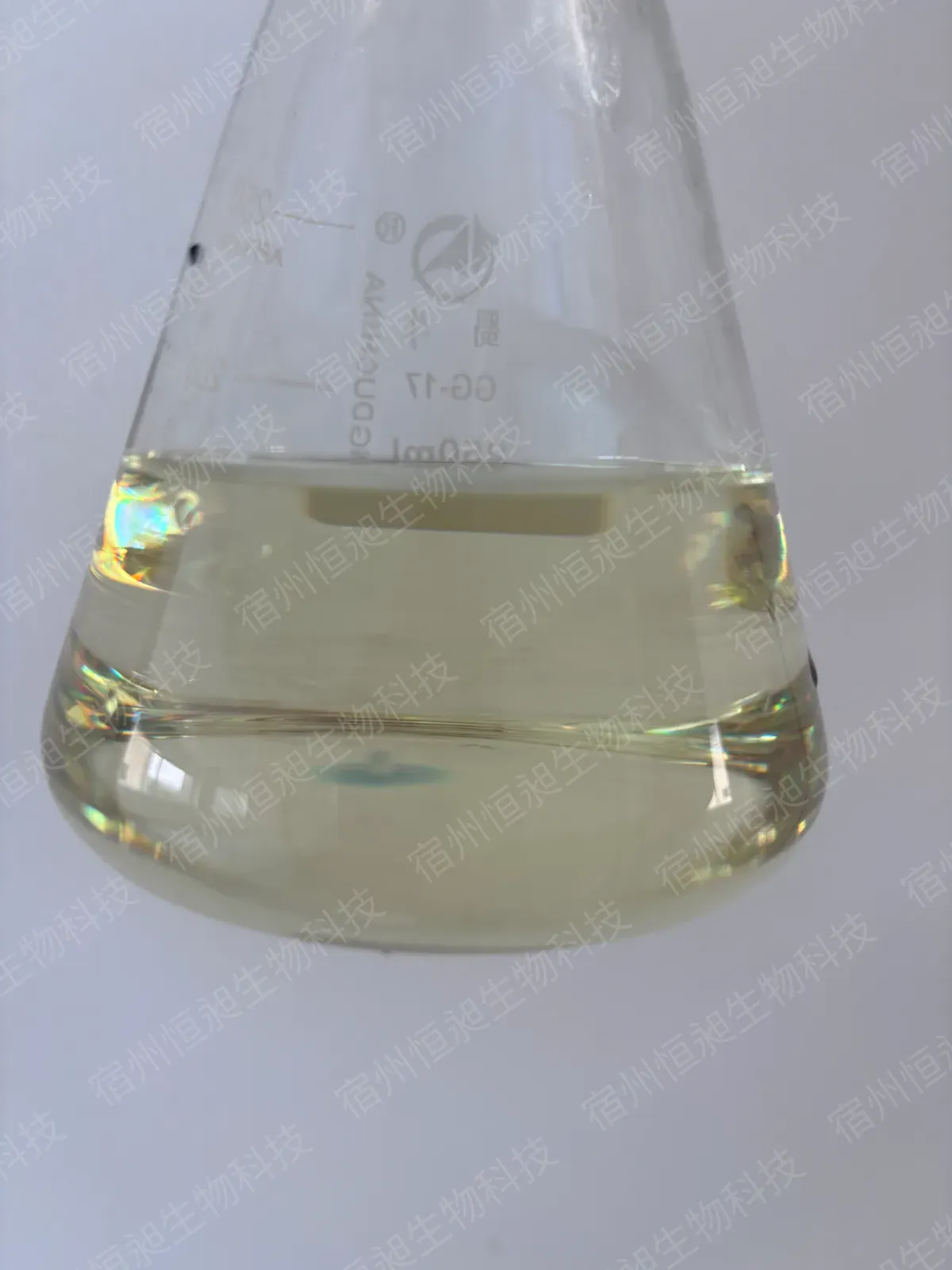
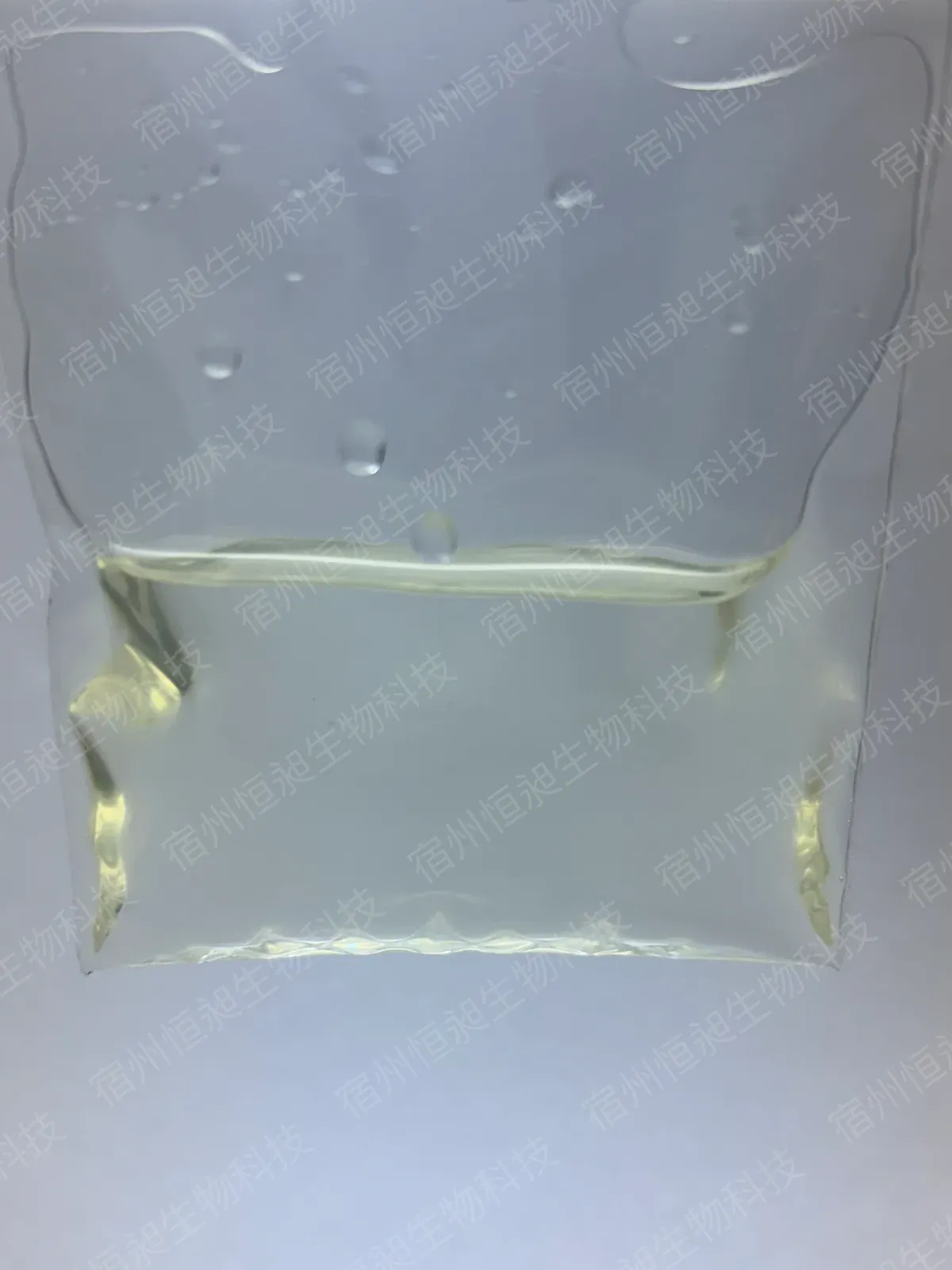
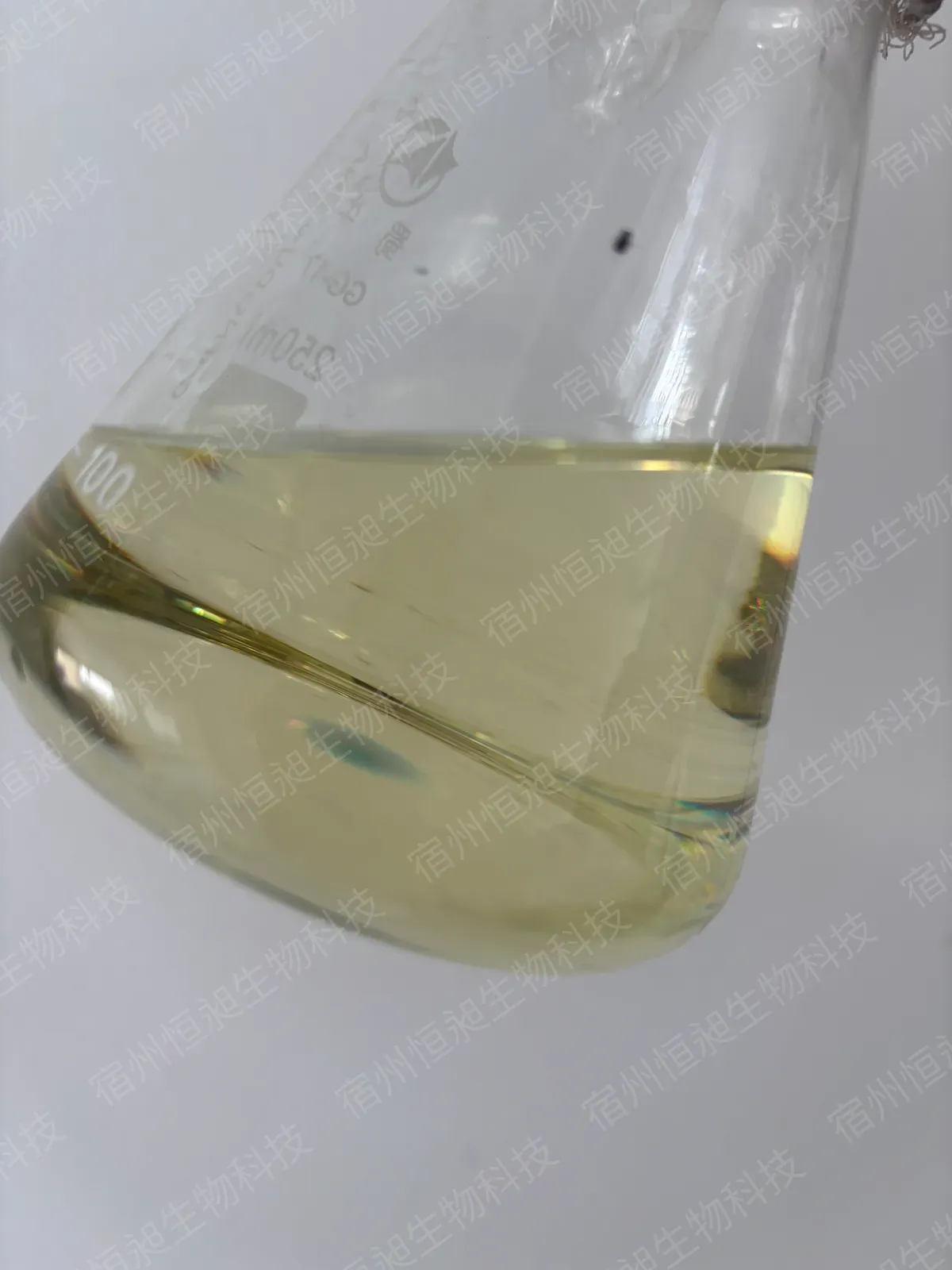
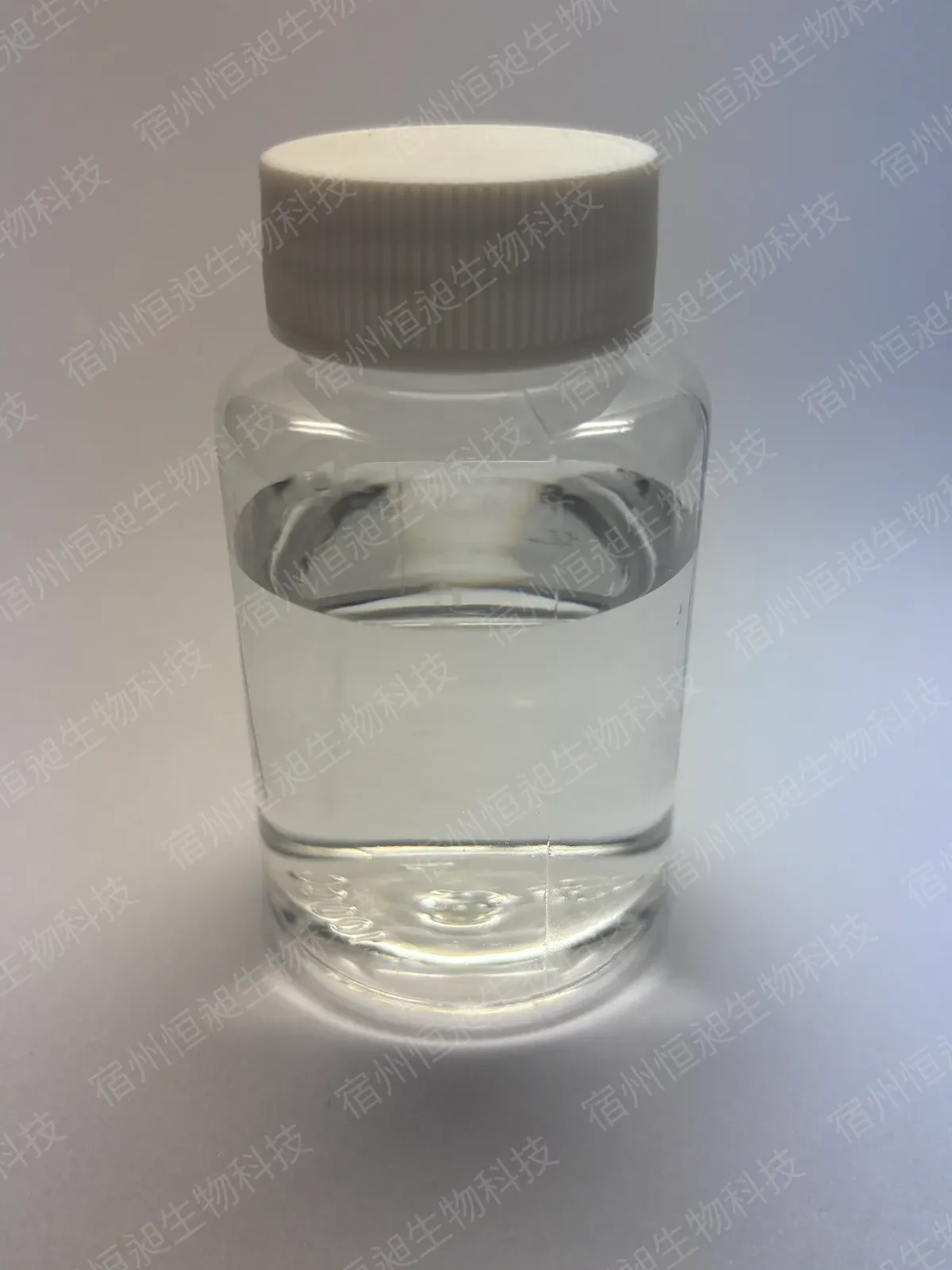
N-Ethylaniline is the N-ethylated derivative of aniline, with molecular formula C8H11N, molecular weight 121.18 and CAS number 103-69-5. It is a colorless to light yellow transparent liquid at room temperature (darkening on storage is acceptable), with a boiling point of 205°C, a flash point of 85°C and a density of 0.963 g/mL (see specifications). Compared with the homolog N-methylaniline (boiling range 194-196°C), ethyl substitution raises the boiling point to 205°C (see specifications). The product is supplied at an assay of ≥99.0% and is used mainly as a synthesis intermediate that provides an aromatic secondary amine structural unit, which can be further N-alkylated to build aromatic tertiary amine structures, serving the dyes, rubber chemicals and other fine chemical industries.

Usage

Used in dyes, pesticides, rubber auxiliaries and other fine chemicals, primarily as an organic synthesis intermediate. It can be used in the preparation of azo dye and triphenylmethane dye intermediates, as well as in rubber auxiliaries, photographic materials and other formulations or intermediate systems. Its main role is to provide an aromatic secondary amine structural unit, which can be further N-alkylated to build aromatic tertiary amine structures, for subsequent substitution, condensation or coupling reactions.
Applications

Applications by Industry

Azo & Triphenylmethane Dye Intermediates

In the dye industry, this product is used mainly in the preparation of azo dye and triphenylmethane dye intermediates; the nitrogen retains one N-H and can take part in subsequent alkylation, condensation or coupling reactions. Dye synthesis focuses on assay (≥99.0%) and impurity figures such as aniline residue (≤0.3%) and N,N-diethylaniline (≤0.9%) (see specifications), which can be reviewed item by item against the specifications on this page before charging; specific routes follow the customer's process.

Rubber Chemicals Raw Material

As a raw material for rubber chemicals, it participates in synthesis routes for accelerators and other auxiliaries; this direction focuses on purity and impurity control, which can be checked against the specifications on this page, with batch data confirmed by our sales team during inquiry.

Photographic & Sensitized Materials Direction

In photographic materials and other formulations or intermediate systems, the product serves as a raw material providing an aromatic secondary amine structural unit, which can be further N-alkylated to build aromatic tertiary amine structures, for subsequent substitution, condensation or coupling reactions; dosage and grade follow the customer's formulation, and additional specification requirements can be discussed item by item during inquiry.
Specifications

Technical Specifications

Product Specifications
Appearance Colorless to light yellow transparent liquid; darkening on storage is acceptable
N-Ethylaniline % ≥99.0
N,N-Diethylaniline % ≤0.9
Organic impurities % ≤0.4
of which aniline % ≤0.3
Moisture % ≤0.1
Melting point °C -63
Boiling point °C 205
Water solubility g/L (20°C) 50
Refractive index 1.553–1.555
Flash point °C 85
Density g/mL 0.963
Acidity coefficient (pKa) 5.12
Logistics

Packaging, Storage & Transport

Packaging

200 kg iron or plastic drum; custom packaging available upon request. Sample arrangements and order quantities can be discussed during inquiry, and regular batches are produced against the order schedule.

Storage

Store sealed in a cool, dry, well-ventilated place; protect from light; keep away from heat and ignition sources

Transport

Transport as toxic organic liquid hazardous chemical; protect from sun, rain and high temperature; never co-transport with oxidizers, acids or food-grade chemicals; verify packaging integrity before shipping

FAQ

Frequently Asked Questions

What are the assay and impurity specifications?
Assay ≥99.0%, N,N-diethylaniline ≤0.9%, organic impurities ≤0.4% (of which aniline ≤0.3%), moisture ≤0.1% (see specifications). Production and release inspection follow the specifications on this page; batch data is confirmed with our sales team during inquiry.
Does color darkening on storage affect use?
The appearance standard is a colorless to light yellow transparent liquid, and darkening on storage is acceptable (see specifications). If you have additional color requirements, please state them during inquiry so they can be discussed item by item.
How is it distinguished from N,N-diethylaniline?
This product retains one N-H on nitrogen and can take part in further acylation and alkylation reactions, while N,N-diethylaniline has no N-H (see standard organic chemistry textbooks). Both are controlled separately in the specifications on this page (this product ≥99.0%, N,N-diethylaniline ≤0.9%); quoting CAS number 103-69-5 in inquiries avoids same-name confusion.
What packaging and order quantities are available?
Standard packaging is a 200 kg iron or plastic drum, and custom packaging is available. Sample arrangements and order quantities can be discussed during inquiry; regular batches are produced against the order schedule.
What are the storage and transport requirements?
Store sealed in a cool, dry, well-ventilated place away from light, heat and ignition sources; flash point is 85°C (see specifications). As a hazardous chemical, packaging and transport follow applicable dangerous-goods regulations.
How should this product be identified in inquiries?
Common aliases include ethylaniline, N-ethylaminobenzene and ethylphenylamine. Because N-ethylaniline and N,N-diethylaniline carry similar names, quoting CAS number 103-69-5 is recommended.