Skip to content
HC Technology
N-Methylformanilide
Categories:
Pharmaceutical Excipients

N-Methylformanilide

Alias
N-Phenyl-N-methylformamide / N-Formyl-N-methylaniline / NMFA / N-Methyl-N-phenylformamide / Methylformanilide / N-Formyl-N-methylbenzenamine
CAS No.
Molecular Formula
C8H9NO
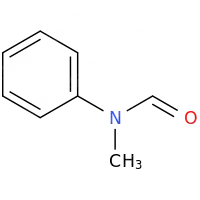
Structure
N-Methylformanilide Chemical Structure
Product Details

Product Overview

Product Summary

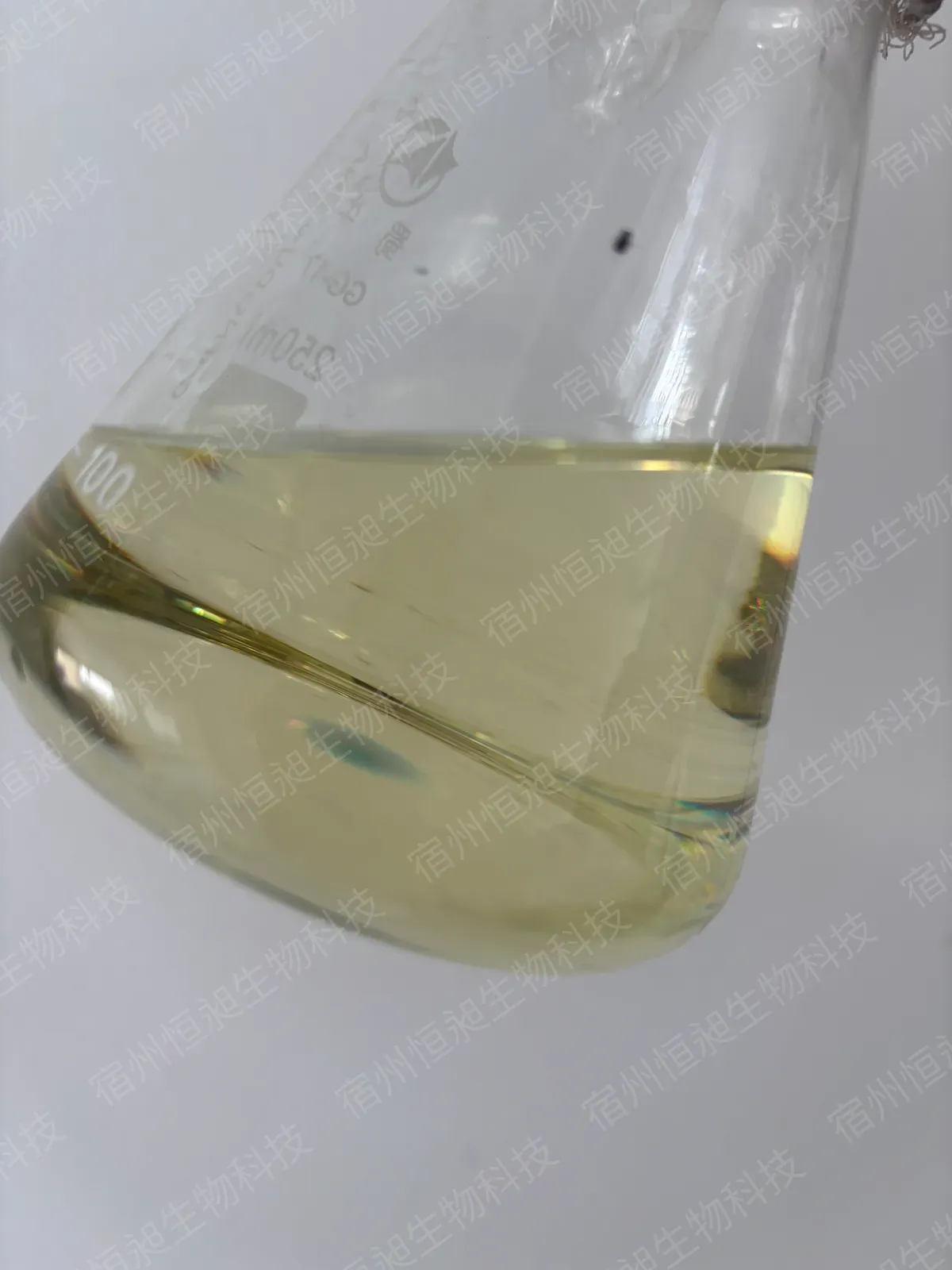
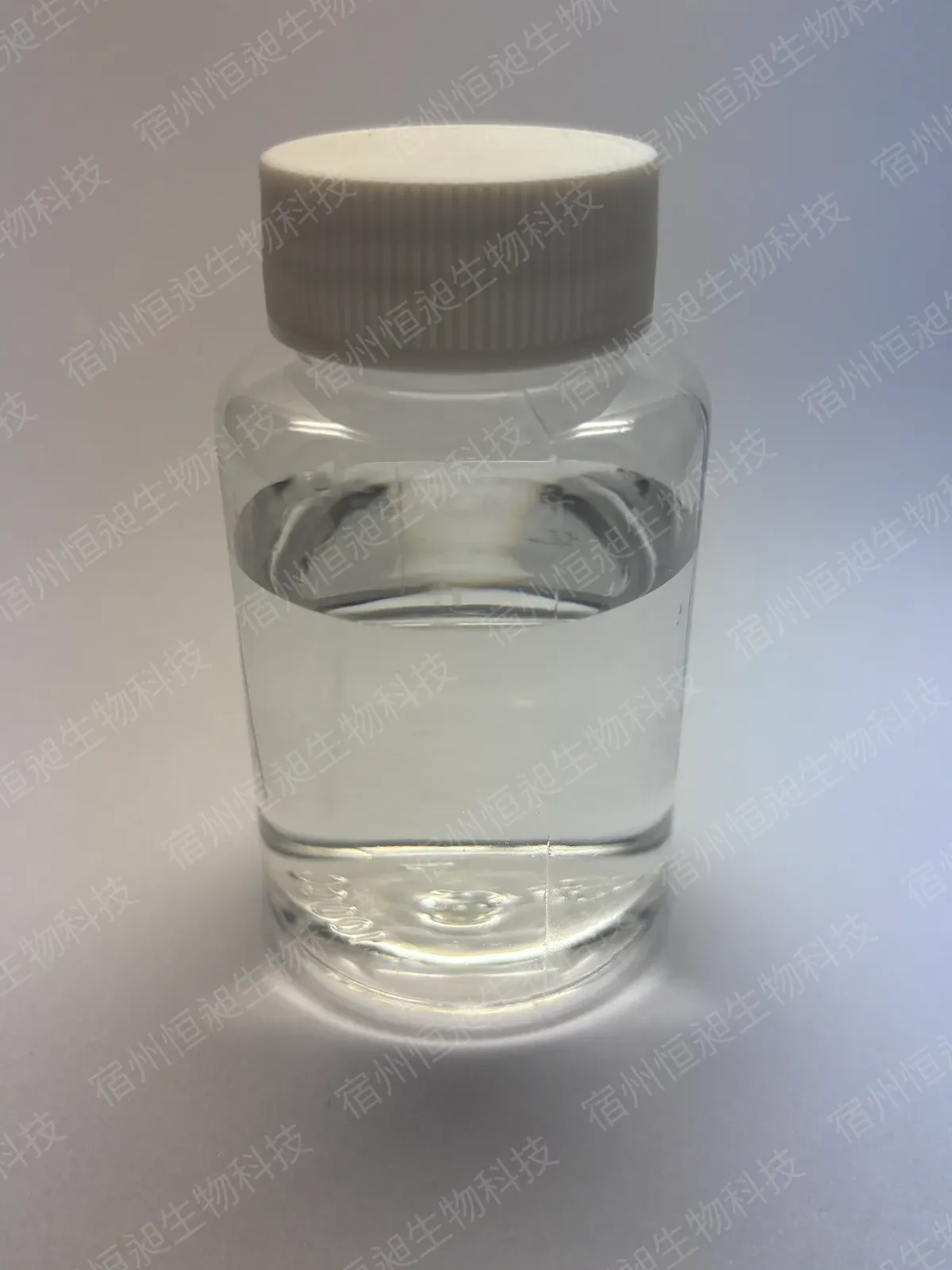
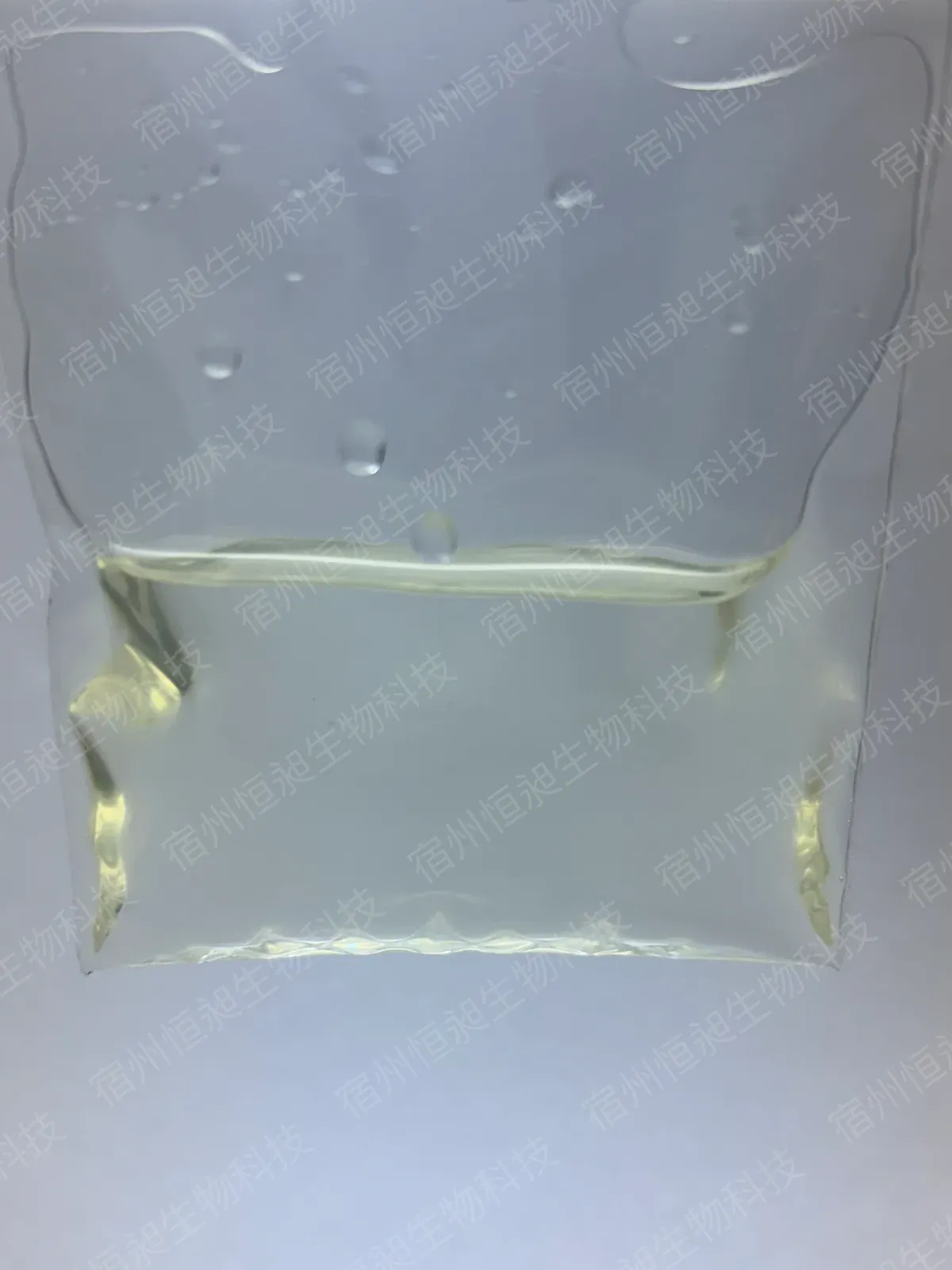
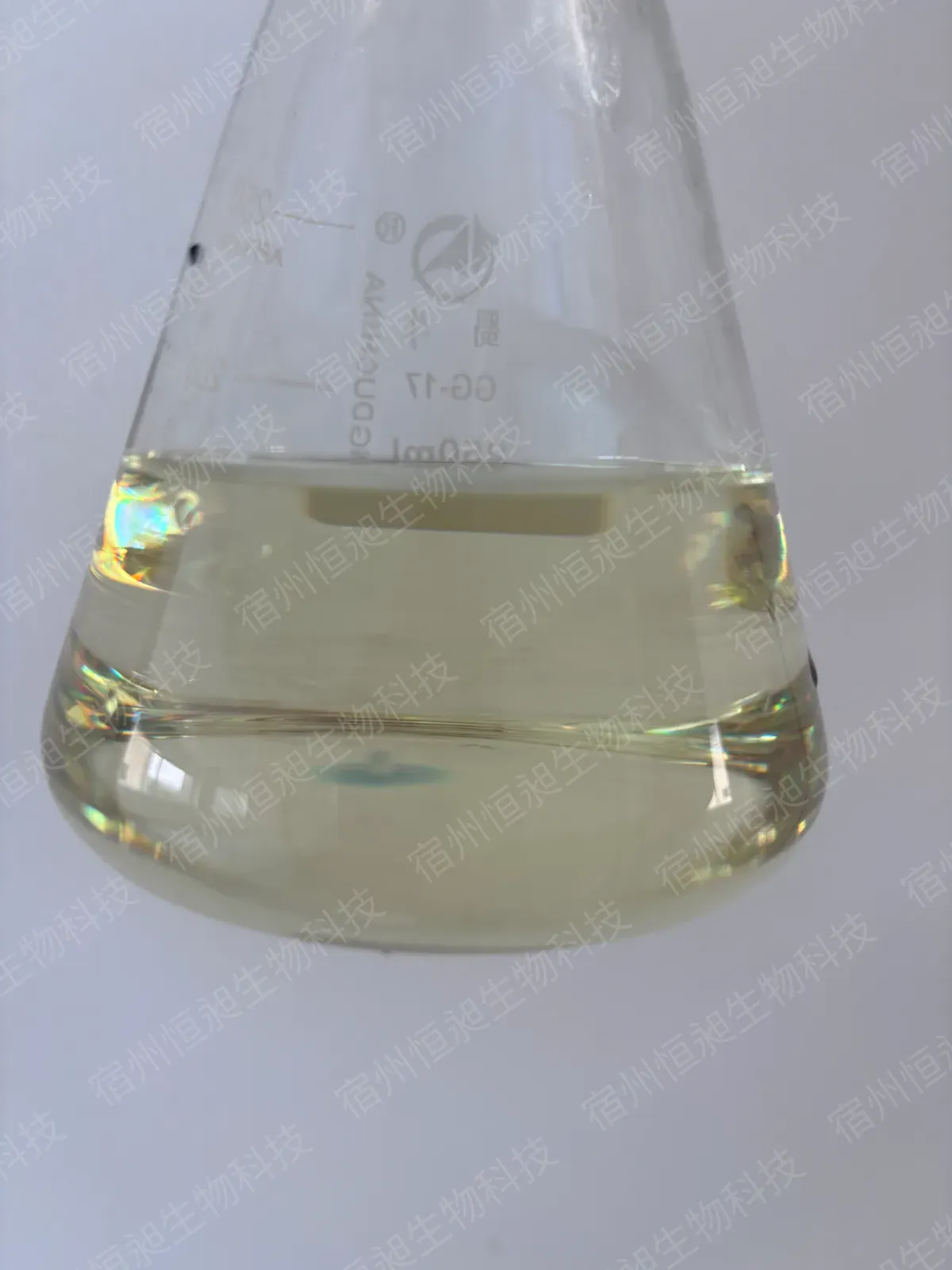
N-Methylformanilide, chemical name N-phenyl-N-methylformamide, has molecular formula C8H9NO, molecular weight 135.17 and CAS number 93-61-8. It is a colorless to pale yellow liquid at room temperature that solidifies on cooling (melting point 14-15°C), with a boiling point of 243°C, a flash point of 126°C; it is soluble in ethanol, ether and acetone and slightly soluble in water (see specifications). This product serves as the formylation reagent in the Vilsmeier-Haack reaction, introducing a formyl group into reactive aromatic compounds; the reaction is an important method for synthesizing aromatic aldehydes. The product is supplied at an assay of ≥99.0% with residue on ignition ≤0.10% (see specifications). The figures on this page are routine release control items; this product is not registered as a pharmaceutical excipient, and suitability for pharmaceutical use must be evaluated by the buyer according to drug regulatory requirements.
Usage

Primarily used in organic synthesis as a formylation reagent in the Vilsmeier-Haack reaction, introducing a formyl group into reactive aromatic compounds (arenes, heterocycles, enamines); the reaction is an important method for synthesizing aromatic aldehydes. Also used as an organic synthesis intermediate in the production of dyes, pesticides, pharmaceuticals and other fine chemicals — for pharmaceutical directions, registration and compliance requirements are evaluated and confirmed by the buyer — and as a solvent or co-solvent in specialized organic reactions.
Applications

Applications by Industry

Aromatic Aldehyde Synthesis (Vilsmeier-Haack Formylation)

As a formylation reagent in the Vilsmeier-Haack reaction, it introduces a formyl group into reactive aromatic compounds (arenes, heterocycles, enamines); the reaction is an important method for synthesizing aromatic aldehydes, and substrate suitability and reaction conditions follow published methods and the customer's own process validation. Figures such as assay ≥99.0% and moisture ≤0.2% are listed under specifications and can be reviewed before charging.

Fine Chemical Intermediate Direction

It is also used as an organic synthesis intermediate in the production of dyes, pesticides, pharmaceuticals and other fine chemicals; for pharmaceutical directions, registration and compliance requirements are evaluated and confirmed by the buyer. Batch data can be confirmed with our sales team during inquiry.

Solvent or Co-solvent for Specialized Reactions

It can be used as a solvent or co-solvent in specialized organic reactions; the boiling point of 243°C, flash point of 126°C and slight water solubility (see specifications) serve as reference points for solvent selection, with compatibility confirmed through the customer's process validation.
Specifications

Technical Specifications

Product Specifications
Appearance Colorless to pale yellow liquid; solidifies on cooling
Content % ≥99.0
Density (25°C) g/mL 1.095
Refractive index (n20/D) 1.558–1.562
Moisture % ≤0.2
Residue on ignition % ≤0.10
Melting point °C 14–15
Boiling point °C 243
Flash point °C 126
Solubility Soluble in ethanol, ether and acetone; slightly soluble in water
Logistics

Packaging, Storage & Transport

Packaging

200 kg iron or plastic drum; custom packaging available upon request. Sample arrangements and order quantities can be discussed during inquiry, and regular batches are produced against the order schedule.

Storage

Store sealed in a cool, dry, well-ventilated place; protect from light and heat

Transport

Transport classification follows the goods transport appraisal report and the carrier's requirements

FAQ

Frequently Asked Questions

How is it used in the Vilsmeier-Haack reaction?
It serves as the formylation reagent of the Vilsmeier-Haack reaction, introducing a formyl group into reactive aromatic compounds, heterocycles and enamines, which after hydrolysis yield aromatic aldehydes; proportions and operating conditions follow published methods and the customer's process validation. Figures such as assay ≥99.0% are listed under specifications.
What if it solidifies on cooling?
The melting point is 14-15°C (see specifications), so solidification at low temperature is a physical effect of the melting point. If it solidifies during cold storage or transport, bring it back to room temperature or remelt it gently before use; if you have requirements on received condition, please state them during inquiry.
What is the solubility profile?
Soluble in ethanol, ether and acetone, slightly soluble in water (see specifications); solvent selection should be based on compatibility testing in the target reaction system.
What packaging and order quantities are available?
Standard packaging is a 200 kg iron or plastic drum, and custom packaging is available. Sample arrangements and order quantities can be discussed during inquiry; regular batches are produced against the order schedule.
What are the storage and transport requirements?
Store sealed in a cool, dry, well-ventilated place away from light and heat; note the solidification below the melting point of 14-15°C in cold winters (see specifications). Transport classification follows the goods transport appraisal report and the carrier's requirements, with packaging kept intact.
How should this product be identified in inquiries?
Common aliases include N-phenyl-N-methylformamide, N-formyl-N-methylaniline and NMFA. Quoting CAS number 93-61-8 is recommended to avoid confusion with similarly named substances such as N-methylaniline (CAS 100-61-8).