
Skip to content
HC Technology
Allantoin
Categories:
Personal Care Ingredients Pharmaceutical Excipients

Allantoin

Alias
5-Ureidohydantoin / Alantan / Glyoxyldiureide / 2,5-Dioxo-4-imidazolidinylurea / Ureidohydantoin / (2,5-Dioxo-4-imidazolidinyl)urea / Ureidoacetolactam
CAS No.
Molecular Formula
C4H6N4O3
Structure
Allantoin Chemical Structure
Product Details

Product Overview

Product Summary

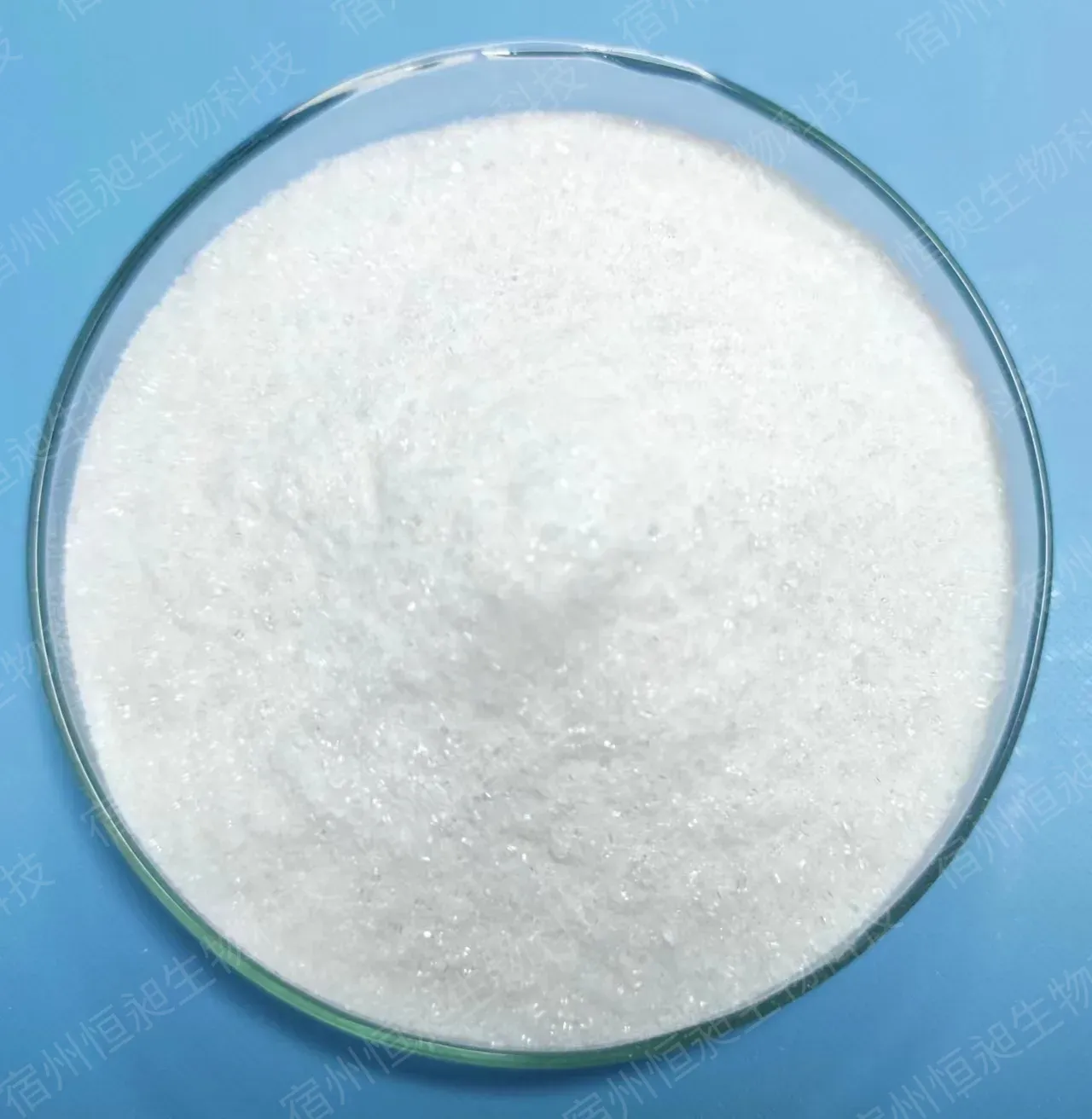
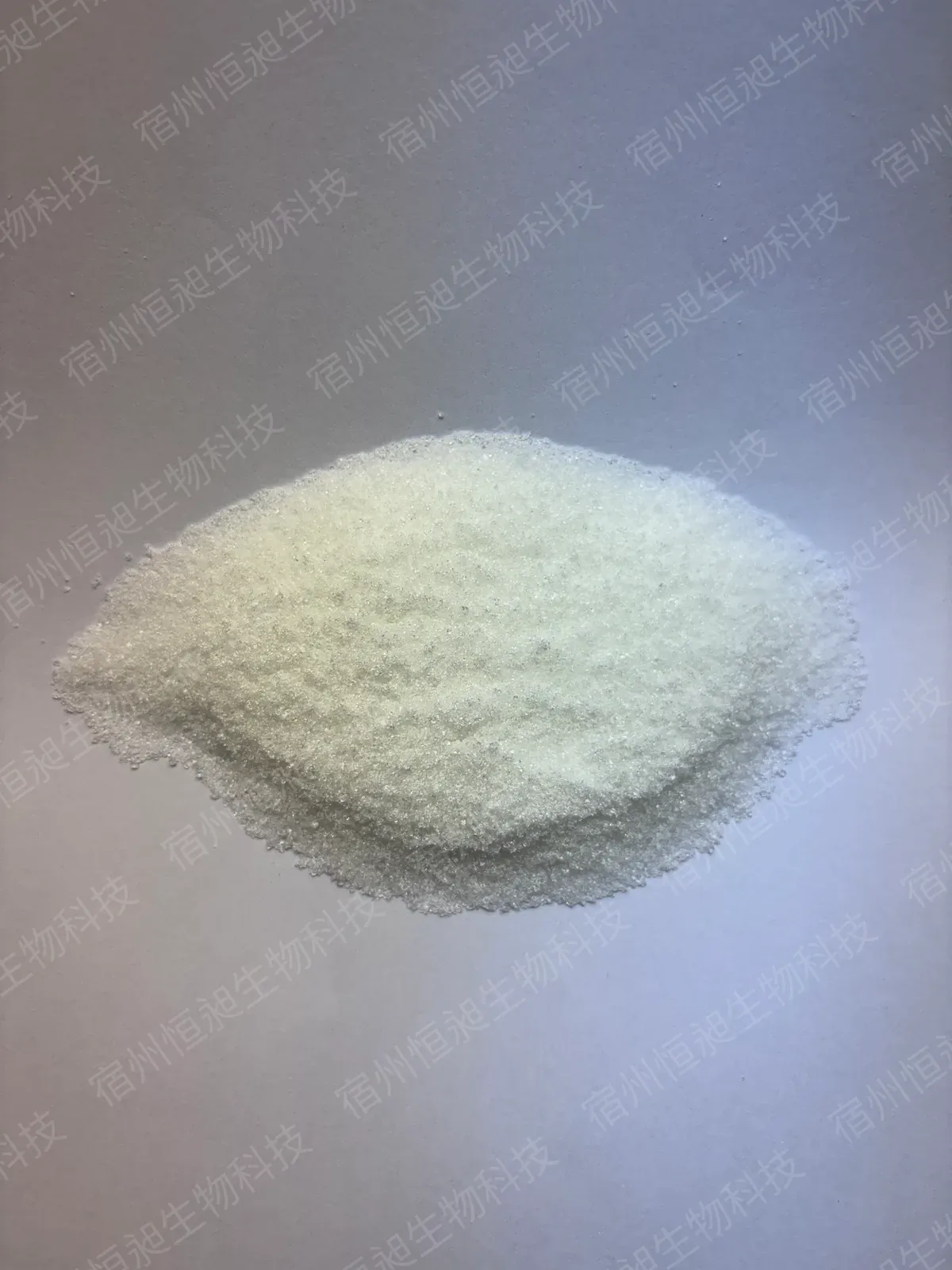
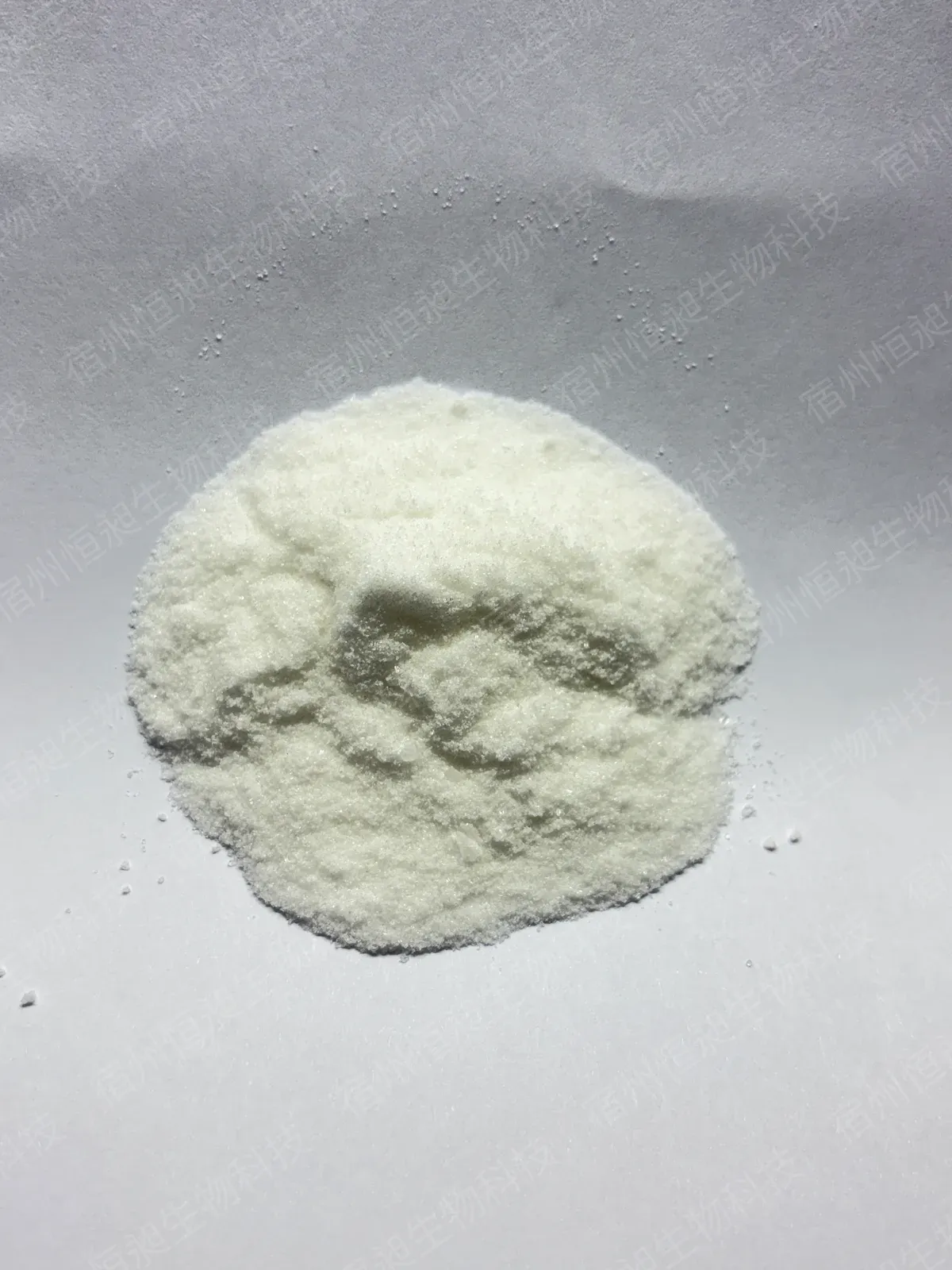
Allantoin is a direct derivative of uric acid (2,5-dioxo-4-imidazolidinylurea) with molecular formula C4H6N4O3 and molecular weight 158.12. It is a white crystalline powder that decomposes at 225°C or above (see specifications). It occurs naturally in comfrey, sugar beet and wheat sprouts; commercial grades are produced synthetically, with assay, loss on drying and other figures listed on this page; it is a skin-conditioning ingredient common in cosmetic and topical formulations. It is soluble in hot water, hot alcohol and dilute sodium hydroxide solution, slightly soluble in water and alcohol, and practically insoluble in ether and chloroform (see specifications). Its solubility in water increases noticeably with temperature, which shapes how it is incorporated into formulations. These are factory control items; this product is not registered as a pharmaceutical excipient - suitability for pharmaceutical use is assessed by the buyer under applicable drug regulations.
Usage

Downstream applications include cosmetics, personal care and pharmaceutical uses. In cosmetics, it serves as a skin conditioner; published literature reports conditioning and moisturizing uses (finished-product efficacy is subject to the finished product's registration or filing). It is commonly used in skin creams, lotions, toners, hair conditioners, toothpaste and oral care products. In pharmaceuticals, it is a common raw material for ointment formulations; where the finished product is a drug, its indications and efficacy are defined by that product's own registration. Typical use levels in cosmetics are 0.5%-2.0%, for formulation reference; verify current requirements in your target market.
Applications

Applications by Industry

Cosmetics & Personal Care

In creams, lotions, toners and hair conditioners, allantoin serves as a skin conditioner; published literature reports conditioning uses such as softening and moisturizing (finished-product efficacy is subject to the finished product's registration or filing). Its 0.5% aqueous solution shows a pH of 4.5-6.0 (see specifications), typical use levels are 0.5%-2.0% (for formulation reference; verify current requirements in your target market).

Topical Pharmaceuticals

In topical formulations, allantoin is a common raw material for ointment formulations; where the finished product is a drug, its indications and efficacy are defined by that product's own registration. Formulators typically review assay (99.0-101.0), loss on drying (≤0.50%) and heavy metals (≤10 ppm) against the specifications listed on this page. Additional requirements on impurity limits can be discussed item by item during inquiry; where the downstream application is pharmaceutical, the buyer is responsible for confirming registration and compliance requirements.

Oral Care

In toothpaste and mouthwash formulations, allantoin serves as a conditioning ingredient, with soothing and moisturizing among its literature-reported uses (finished-product efficacy is subject to registration or filing). As it is only slightly soluble in cold water but soluble in hot water, hot processing or pre-dispersion is recommended.
Specifications

Technical Specifications

Product Specifications
Appearance White crystals or crystalline powder
Content % 99.0–101.0
Melting point °C ≥225 (decomposes)
pH (0.5% aq. soln.) 4.5–6.0
Loss on drying % ≤0.50
Residue on ignition % ≤0.10
Chloride (Cl) % ≤0.05
Heavy metals ppm ≤10
Optical rotation -0.1°–+0.1°
Boiling point °C 283
Density g/cm³ 1.6031
Refractive index 1.8500
Flash point °C 230–234
Solubility Soluble in hot water, hot alcohol and dilute sodium hydroxide solution; slightly soluble in water and alcohol; practically insoluble in ether and chloroform
Logistics

Packaging, Storage & Transport

Packaging

25 kg fiber drum with polyethylene liner; custom packaging available upon request. Sample arrangements and order quantities can be discussed during inquiry, and regular batches are produced against the order schedule.

Storage

Store sealed in a cool, dry, well-ventilated place; protect from light and moisture

Transport

Transport classification follows the goods transport appraisal report and the carrier's requirements

FAQ

Frequently Asked Questions

What are the appearance and assay specifications?
White crystals or crystalline powder with an assay of 99.0-101.0%; it decomposes at ≥225°C. The product is produced and released against the specifications listed on this page; batch figures can be confirmed with our sales team during inquiry.
What packaging and order quantities are available?
Standard packaging is a 25 kg fiber drum with polyethylene liner, and custom packaging is available. Sample arrangements and order quantities can be discussed during inquiry; regular batches are produced against the order schedule.
How should it be incorporated into formulations?
Allantoin is soluble in hot water, hot alcohol and dilute sodium hydroxide solution, and slightly soluble in water and alcohol (see specifications); dissolve it in warm water or pre-disperse it before adding, to avoid recrystallization in cold processing.
Is it compatible with common cosmetic systems?
The 0.5% aqueous solution sits at pH 4.5-6.0 (see specifications), a weakly acidic to near-neutral range; formulation fit should be verified in the actual system.
What are common aliases for allantoin in procurement?
Common aliases include 5-ureidohydantoin, alantan, glyoxyldiureide and 2,5-dioxo-4-imidazolidinylurea - all names for the same structure. Checking against CAS number 97-59-6 avoids confusion between different names.
What are the storage and transport requirements?
Store sealed in a cool, dry, well-ventilated place, protected from light and moisture. Transport classification follows the transport identification report and carrier requirements; protect from moisture, light and physical damage.