What does the 4:1 methyl-to-propyl blend mean?
This is an example ratio (methylparaben:propylparaben = 4:1), illustrating how the two are commonly paired to balance water solubility and antimicrobial efficacy. It is not a universal formula; actual ratios should be verified by the formulation owner in the real system.
Where does it rank in antimicrobial activity within the paraben series?
According to published literature, paraben activity increases with chain length (order methyl < ethyl < propyl < butyl), and propylparaben inhibits molds and yeasts more strongly than methyl- and ethylparaben. Selection weighs antimicrobial-spectrum needs against solubility, verified in the actual formulation.
What are the assay and key specifications?
Assay (on dried basis) 98.0-102.0%, melting point 96-99°C, acidity compliant, a clear and colorless solution, heavy metals ≤20 ppm and arsenic ≤0.0002%; related substances controlled at individual ≤0.4% and total ≤0.8% (see specifications).
What packaging and order quantities are available?
Standard packaging is a 25 kg fiber drum with a double polyethylene liner, and custom packaging is available. Sample arrangements and order quantities can be discussed during inquiry; regular batches are produced against the order schedule.
How do I avoid confusion with the isopropyl ester?
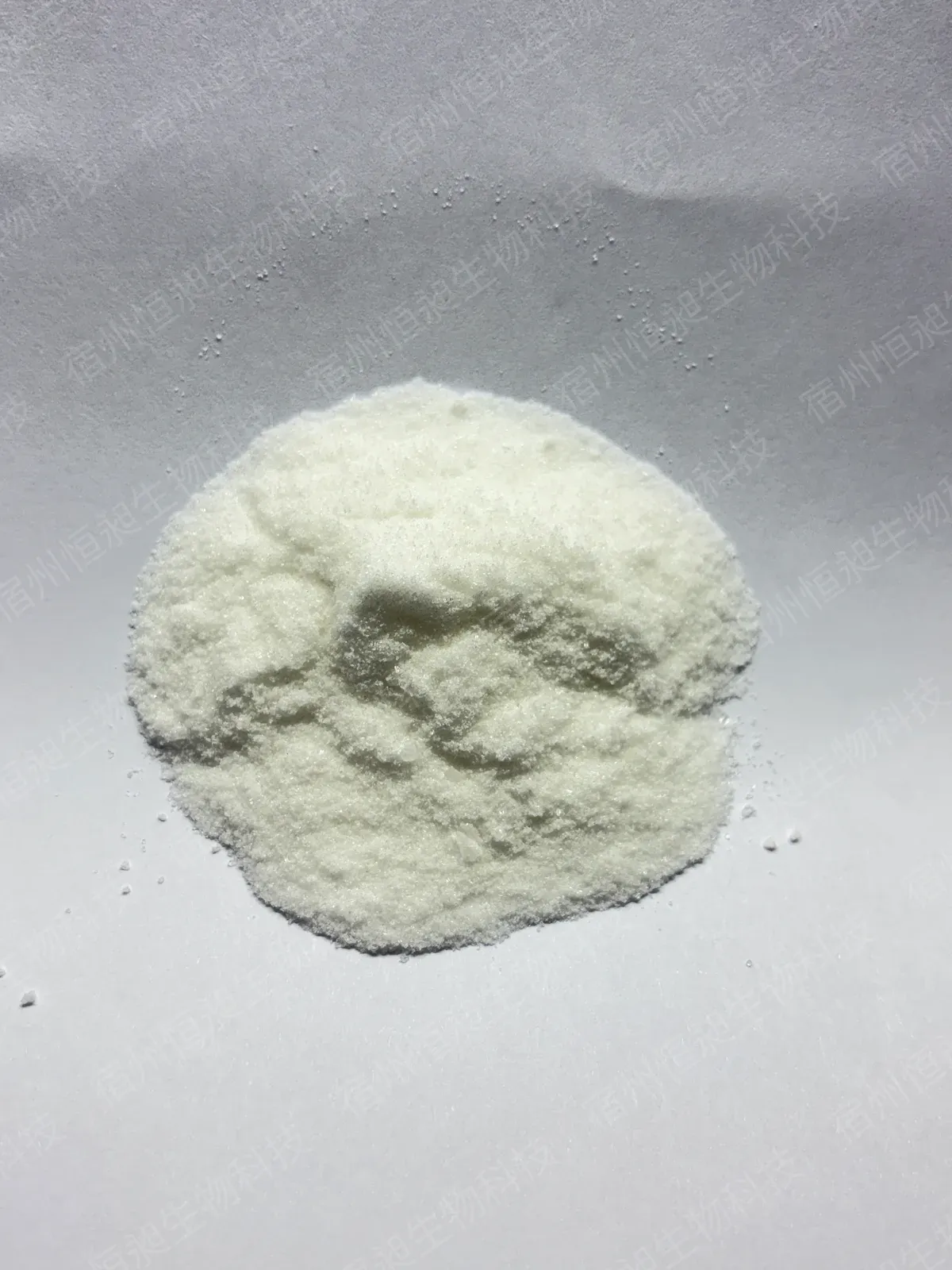
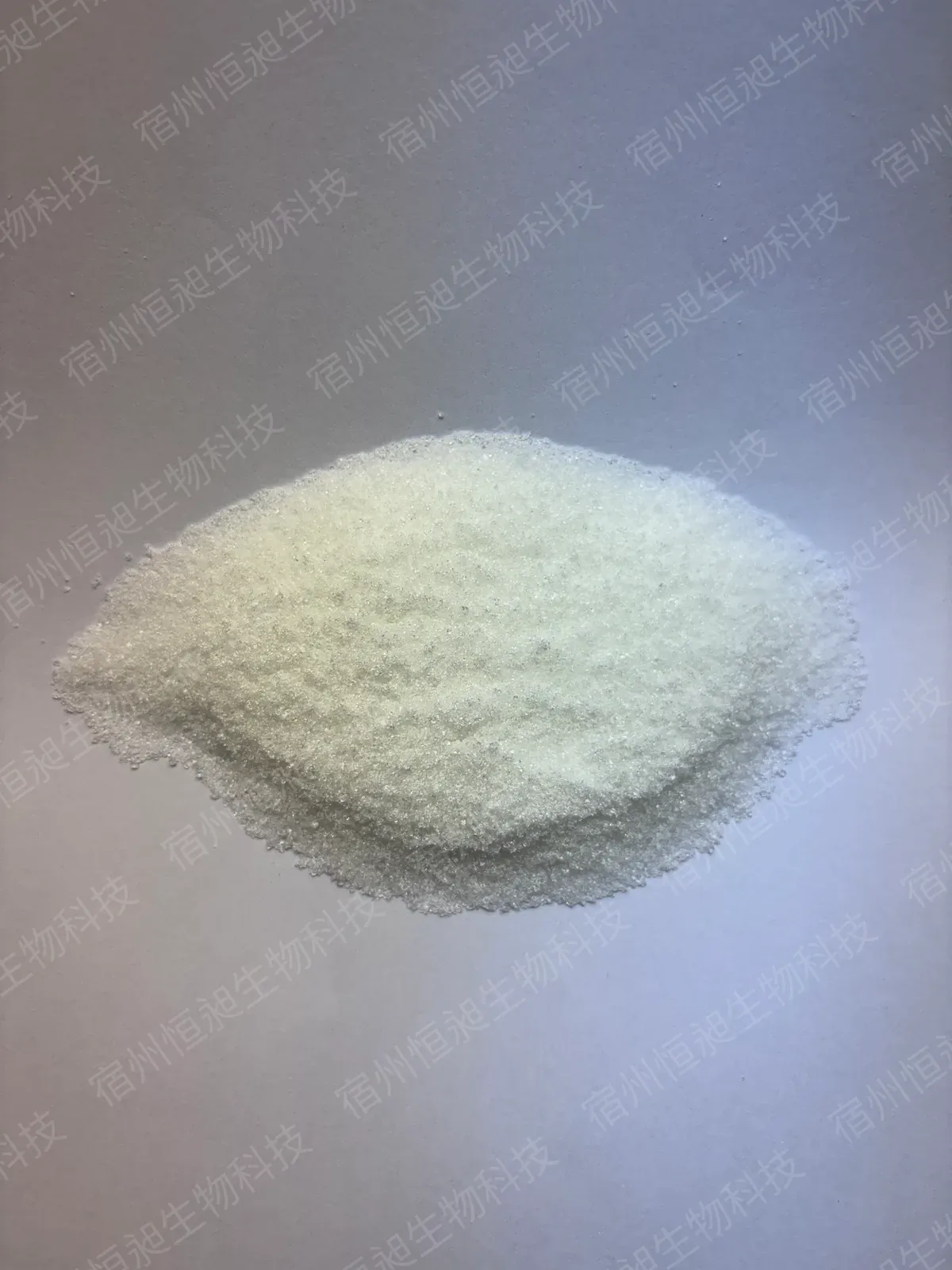
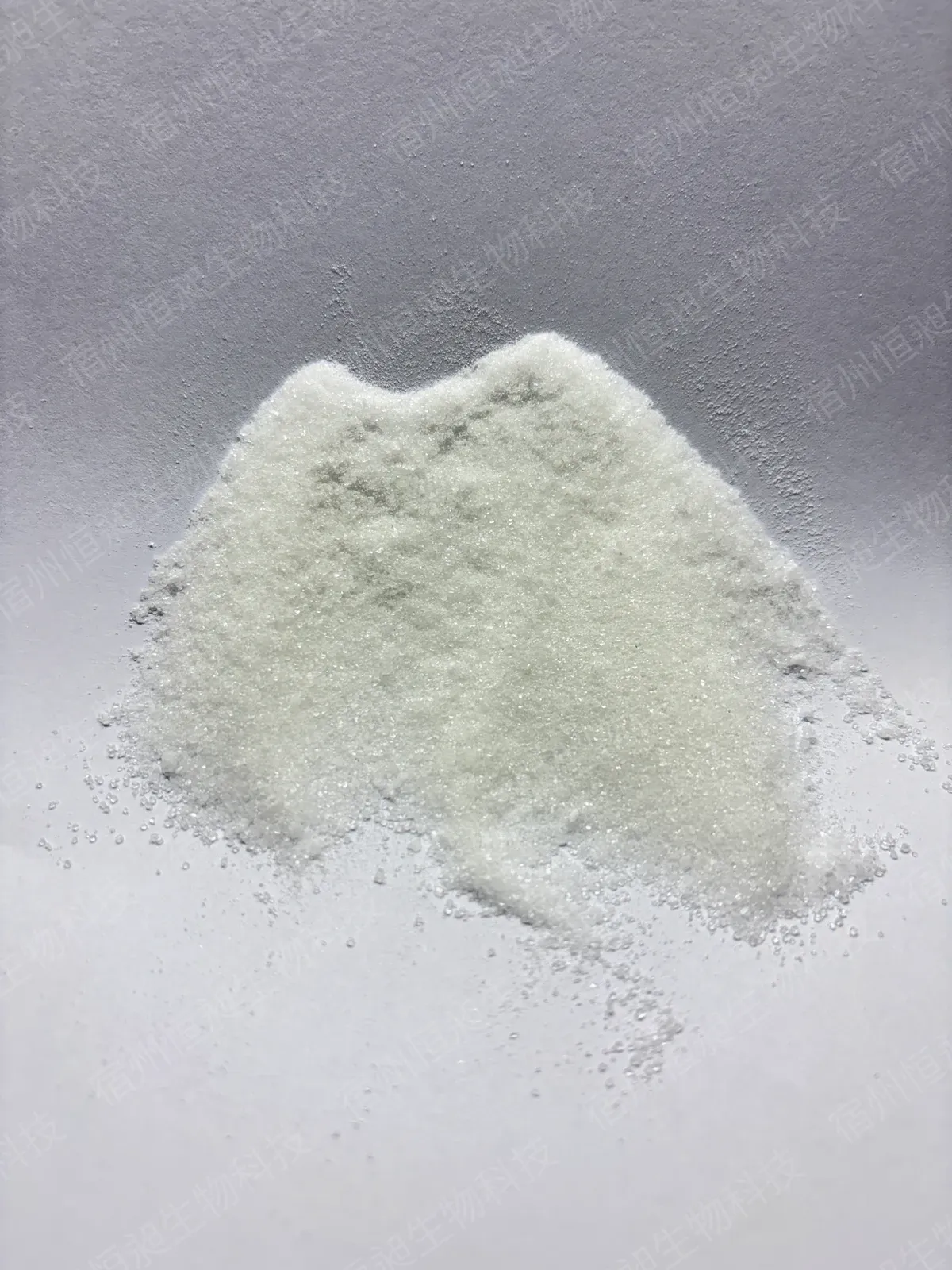
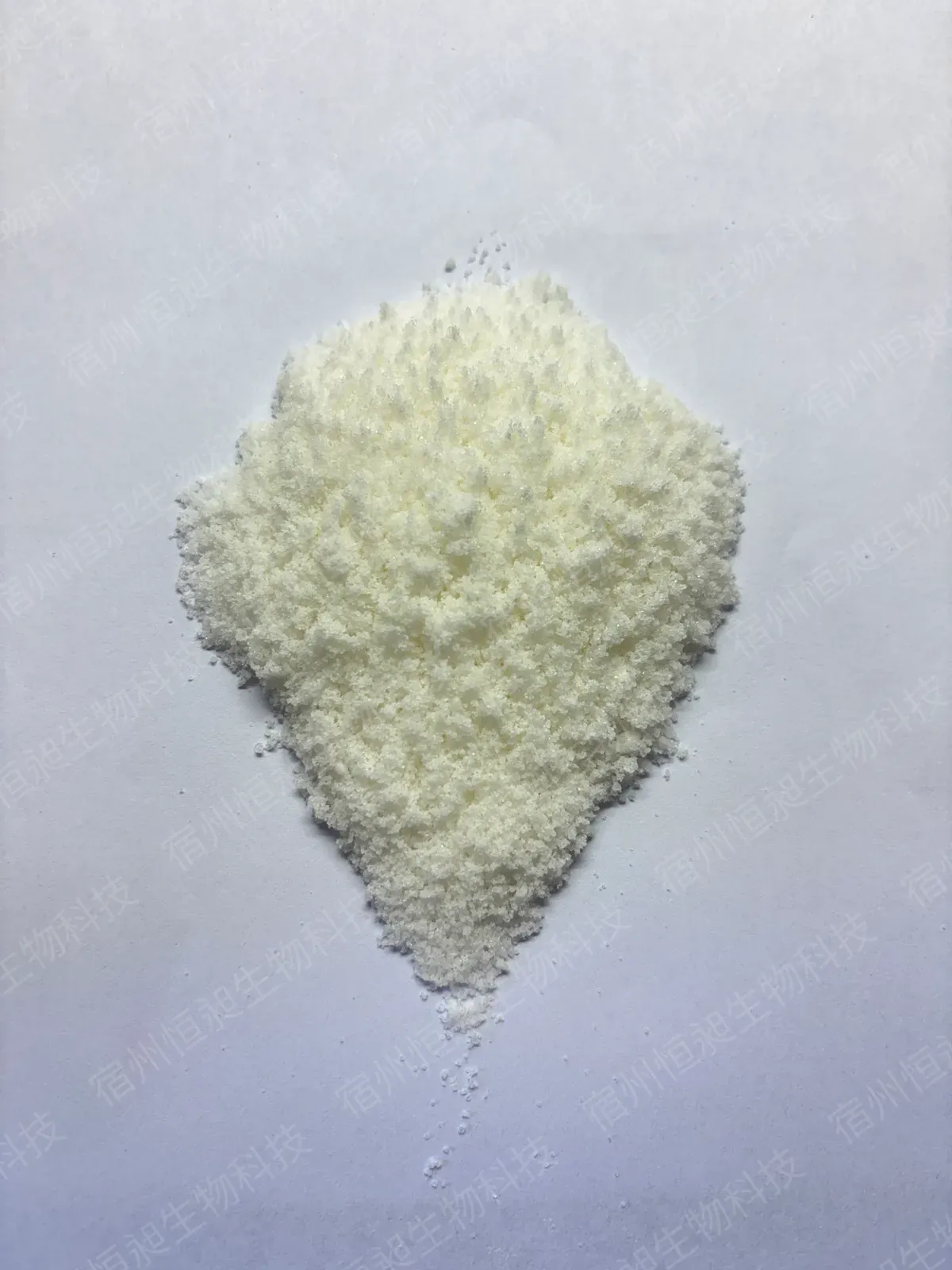
This product is propyl parahydroxybenzoate (Nipasol, CAS 94-13-3), the n-propyl ester; isopropyl parahydroxybenzoate is a different substance. Since the n- prefix is often omitted in procurement documents, quoting the CAS number in inquiries is the reliable check.
What are the storage and transport requirements?
Store tightly closed in a cool, dry, well-ventilated place; transport classification follows the transport identification report and carrier requirements; protect from moisture, sunlight and physical damage. Special packaging or repacking forms can be discussed during inquiry.