
Skip to content
HC Technology
Ethylparaben
Categories:
Pharmaceutical Excipients

Ethylparaben

Alias
Ethylparaben / Ethyl parahydroxybenzoate / Ethyl p-hydroxybenzoate / Ethyl 4-hydroxybenzoate / 4-Hydroxybenzoic acid ethyl ester / Nipagin A
CAS No.
Molecular Formula
C9H10O3
Structure
Ethylparaben Chemical Structure
Product Details

Product Overview

Product Summary

Ethylparaben, also known as ethyl p-hydroxybenzoate and Nipagin A, is the ester of p-hydroxybenzoic acid and ethanol, with molecular formula C9H10O3, molecular weight 166.18 and CAS number 120-47-8. It is a white crystalline powder at room temperature, melting at 115-118°C, with an assay (on dried basis) of 98.0-102.0%, a clear and colorless solution, loss on drying ≤0.5% and heavy metals ≤20 ppm (see specifications). Published literature reports the paraben homolog activity order methyl < ethyl < propyl < butyl (public literature), with ethylparaben covering molds, yeasts and certain bacteria; downstream applications include preservation of oral liquid and topical preparations, and it is often combined with other parabens. These are factory control items; this product is not registered as a pharmaceutical excipient - suitability for pharmaceutical use is assessed by the buyer under applicable drug regulations.
Usage

A raw material for antimicrobial preservatives in pharmaceutical formulations. Published literature reports the paraben homolog activity order methyl < ethyl < propyl < butyl, with activity against molds, yeasts and certain bacteria. Downstream applications include oral liquid preparations, topical ointments, creams and gels, as well as syrups and mixtures for preservation. Often combined with other parabens.
Applications

Applications by Industry

Oral Liquid Preparation Preservation

Ethylparaben is used for the preservation of syrups, mixtures and other oral liquid preparations, with inhibitory activity against molds, yeasts and certain bacteria documented in published literature; per the literature-reported activity order (methyl < ethyl < propyl < butyl) its activity is stronger than that of methylparaben (see Usage). Formulation decisions rest with the preparation owner. On the specification side, assay (98.0-102.0%), melting point (115-118°C) and solution clarity (clear and colorless, see specifications) are typical review points.

Topical Semi-solid Preparations

In topical ointments, creams and gels, ethylparaben serves as an antimicrobial preservative, often combined with other parabens. Buyers can review related substances (individual ≤0.4%, total ≤0.8%) and heavy metals (≤20 ppm) against this page's specifications; additional impurity requirements can be discussed item by item during inquiry.
Specifications

Technical Specifications

Product Specifications
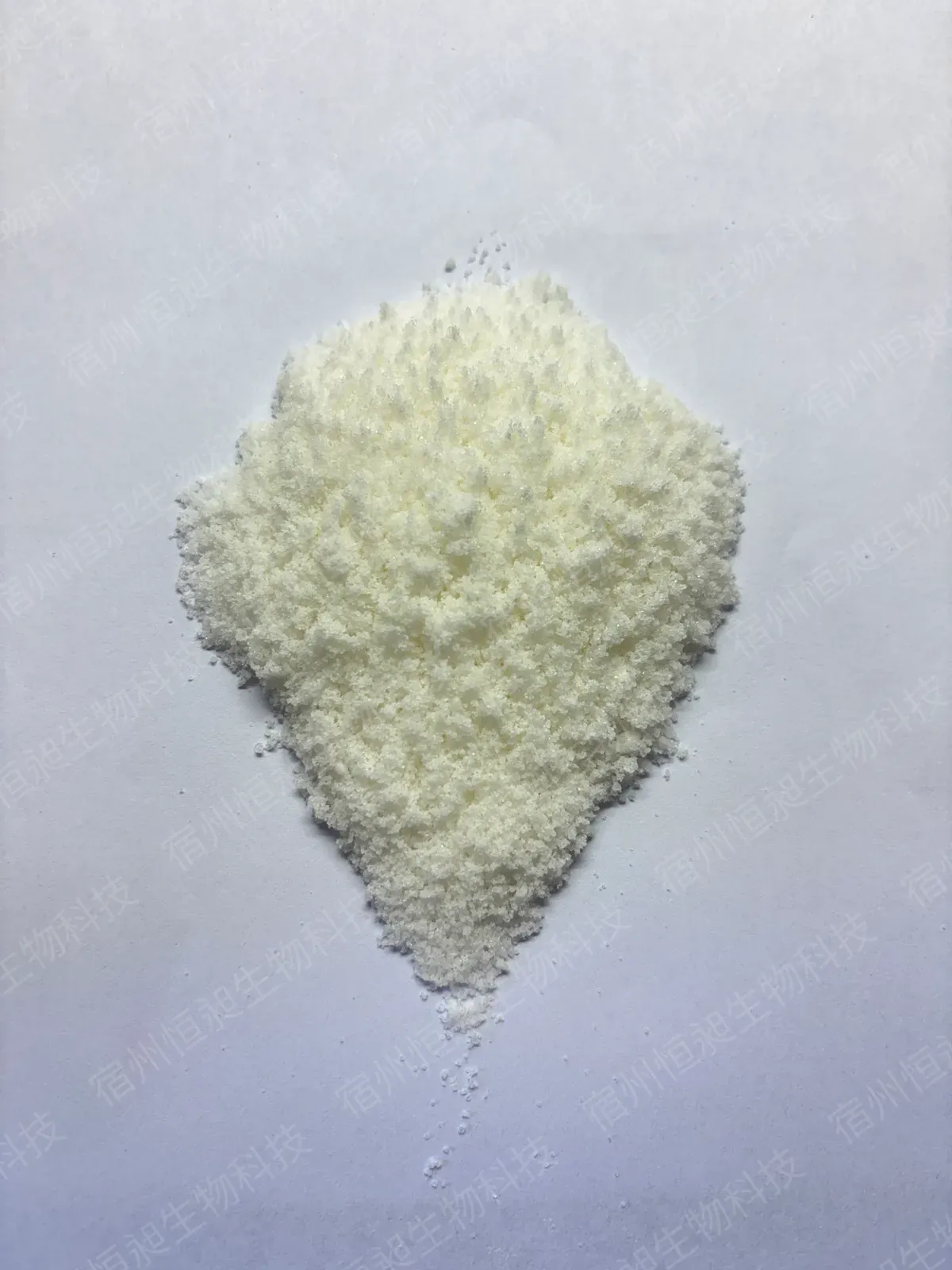
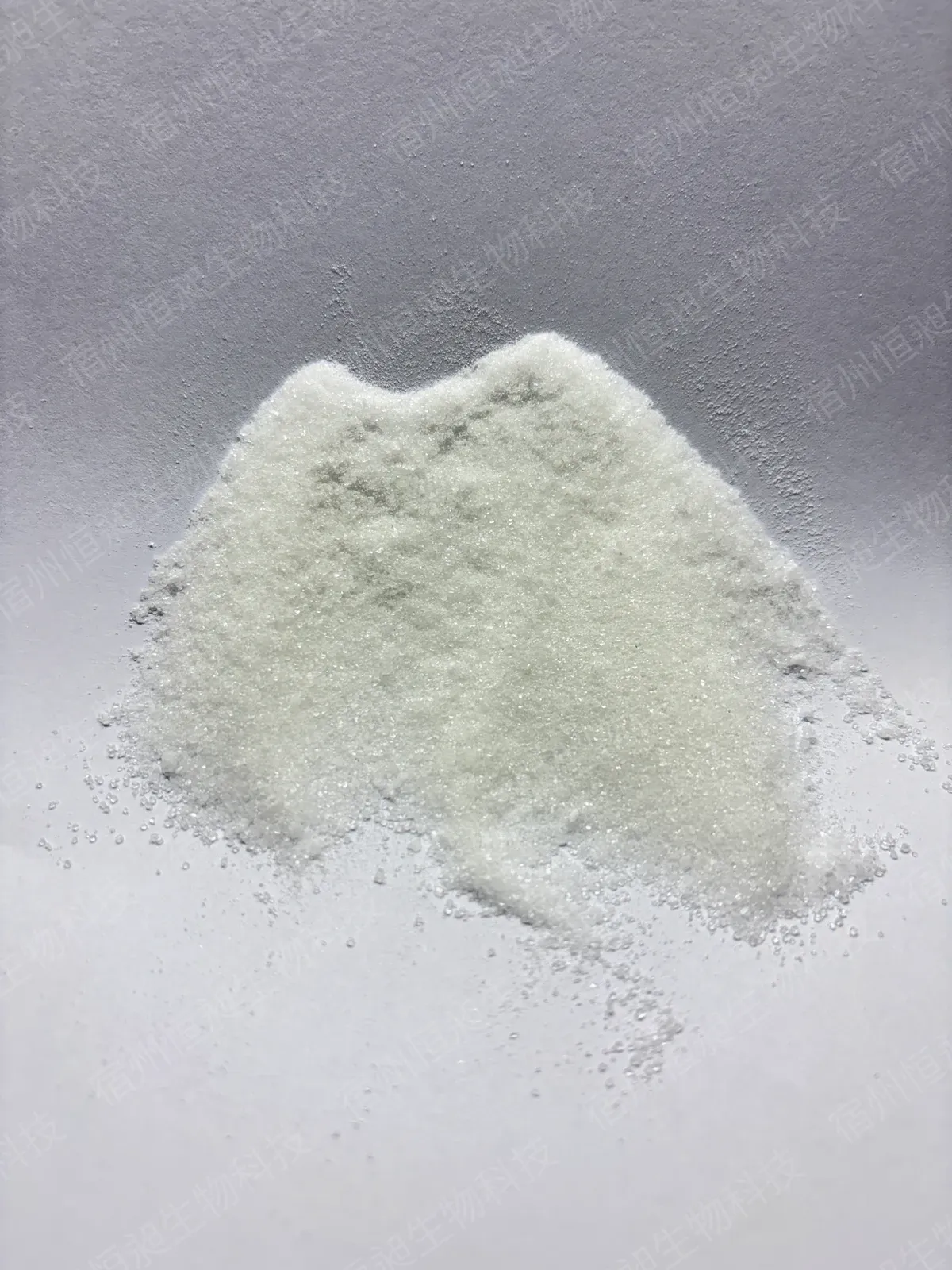
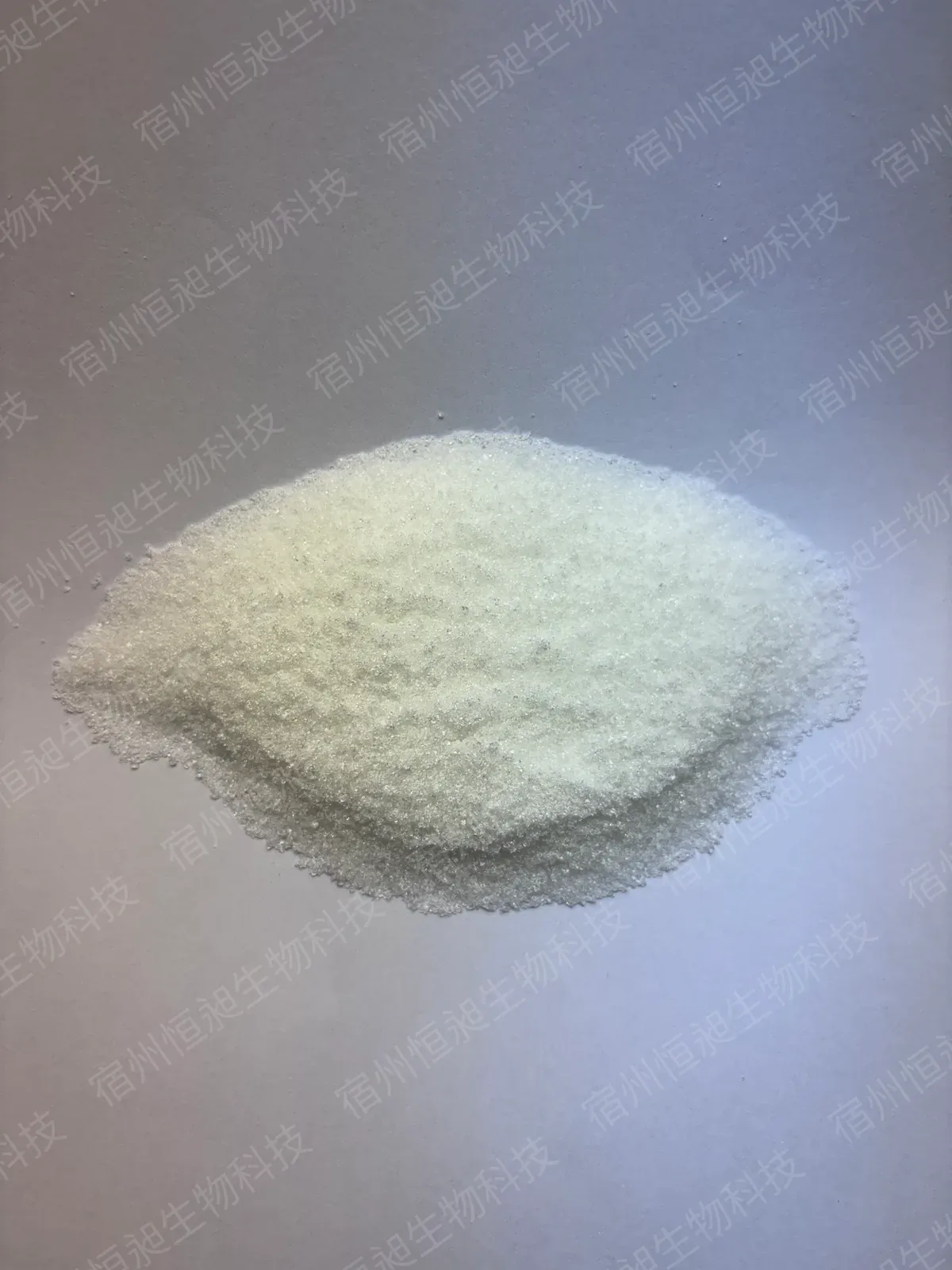
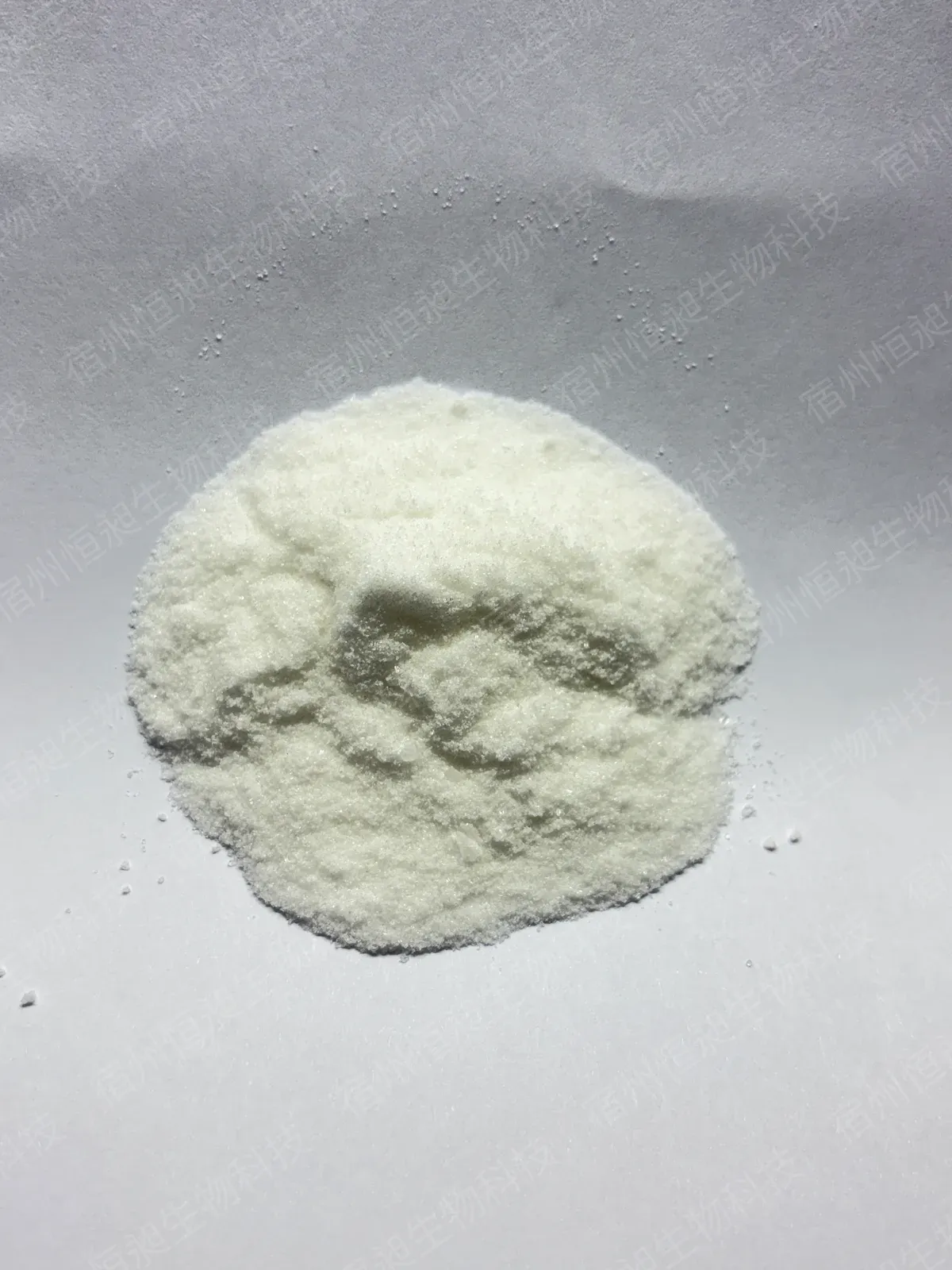
Appearance White crystalline powder
Content (on dried basis) 98.0%–102.0%
Melting point 115–118°C
Acidity Compliant (0.1 mol/L NaOH consumption ≤0.1 mL)
Solution clarity and color Clear and colorless
Chloride (Cl) ≤0.035%
Sulfate (as SO₄) ≤0.024%
Related substances Individual impurity ≤0.4%, total impurities ≤0.8%
Loss on drying ≤0.5% (silica gel desiccator, vacuum dried to constant weight)
Residue on ignition ≤0.1%
Heavy metals ≤20 ppm
Arsenic ≤0.0002%
Logistics

Packaging, Storage & Transport

Packaging

25 kg fiber drum with double polyethylene liner; custom packaging available upon request. Sample arrangements and order quantities can be discussed during inquiry.

Storage

Store tightly closed in a cool, dry, well-ventilated place

Transport

Transport classification follows the goods transport appraisal report and the carrier's requirements; protect from moisture, sunlight and physical damage; keep packaging intact

FAQ

Frequently Asked Questions

How does ethylparaben differ from methylparaben?
According to published literature, the paraben homolog activity order is methyl < ethyl < propyl < butyl, and ethylparaben shows stronger antimicrobial activity than methylparaben, covering certain bacteria in addition to molds and yeasts; the two are often combined at different ratios. Selection should follow the antimicrobial-spectrum needs and formulation verification of the actual system.
What are the assay and key specifications?
Assay (on dried basis) 98.0-102.0%, melting point 115-118°C, acidity compliant (0.1 mol/L NaOH consumption ≤0.1 mL), a clear and colorless solution, heavy metals ≤20 ppm and arsenic ≤0.0002%; related substances controlled at individual ≤0.4% and total ≤0.8% (see specifications).
What packaging and order quantities are available?
Standard packaging is a 25 kg fiber drum with a double polyethylene liner, and custom packaging is available. Sample arrangements and order quantities can be discussed during inquiry; regular batches are produced against the order schedule.
How do I verify the product name in procurement?
Common aliases include ethyl p-hydroxybenzoate, 4-hydroxybenzoic acid ethyl ester and Nipagin A. Methyl- and ethylparaben carry similar names and are both covered by the generic paraben naming, so quoting CAS number 120-47-8 in inquiries avoids same-family confusion.
What are the storage and transport requirements?
Store tightly closed in a cool, dry, well-ventilated place; transport classification follows the transport identification report and carrier requirements; protect from moisture, sunlight and physical damage.
Can samples be provided?
Sample arrangements and order quantities can be discussed during inquiry; samples and regular batches are produced against the same specifications on this page, so incoming samples can be checked against them first.