What are the recommended use level and pH range?
The reference values on this page are a recommended use level of 0.2%-0.4% (reference interval, defer to the target market's limits; statutory limits for single and mixed esters are calculated combined, as the acid) and an applicable pH range of 4-8 (see Usage); they are reference intervals, not guarantees - actual dosage and performance follow the formulator's verification in the real system, and this page provides no regulatory limit values.
How soluble is it, and how should it be added?
Its water solubility is very low; it dissolves freely in 96% ethanol and methanol (see specifications). In water-based formulas, pre-disperse it in alcohol or a warmed water phase, or add it together with water-soluble preservatives, following the formula's own process.
How does it differ from methylparaben?
According to published literature, the paraben homolog activity order is methyl < ethyl < propyl < butyl, and ethylparaben shows stronger antimicrobial activity than the methyl ester; the two are often combined at different ratios. Selection weighs antimicrobial-spectrum needs against solubility, verified in the actual formulation.
What are the assay and key specifications?
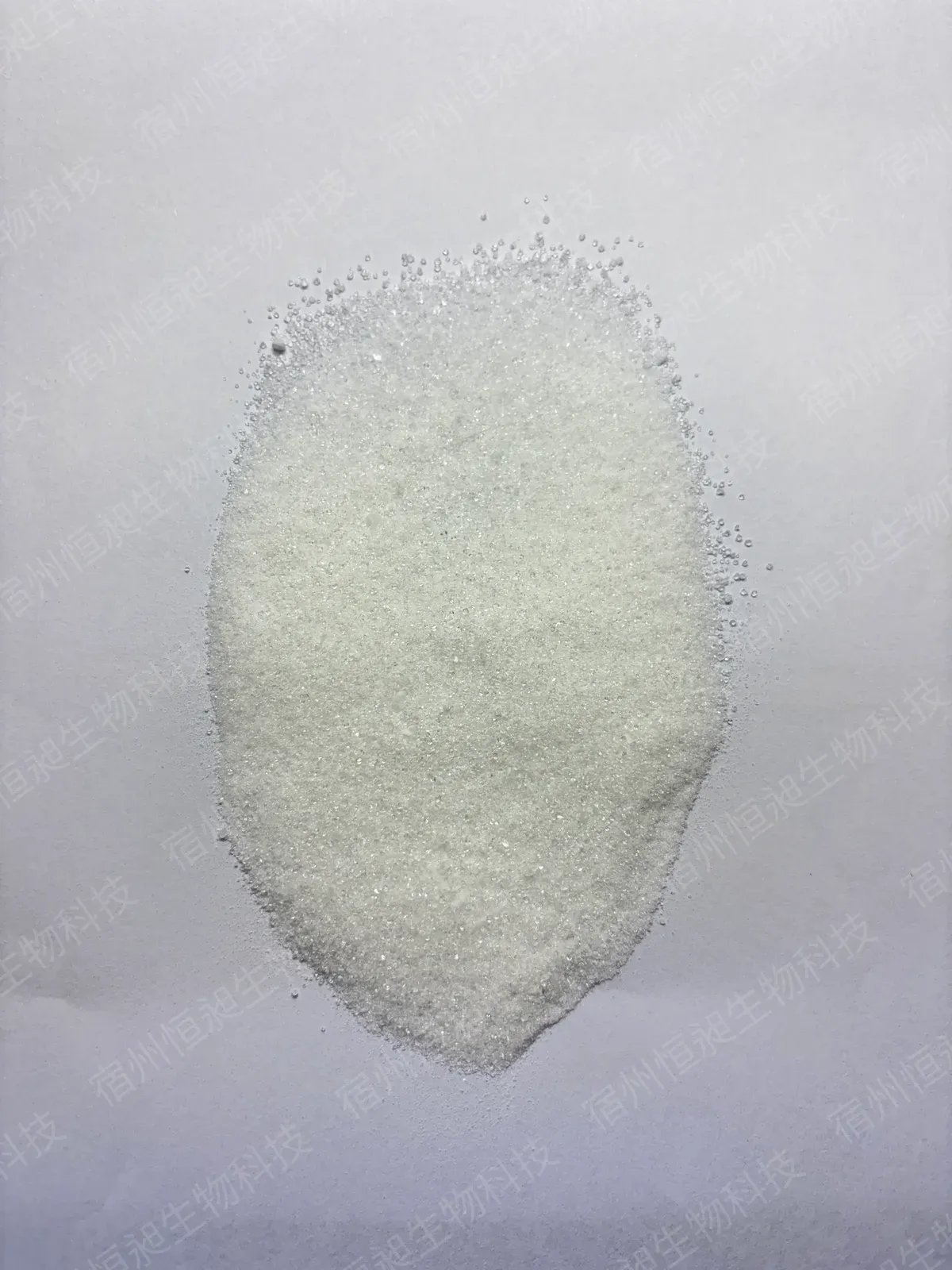
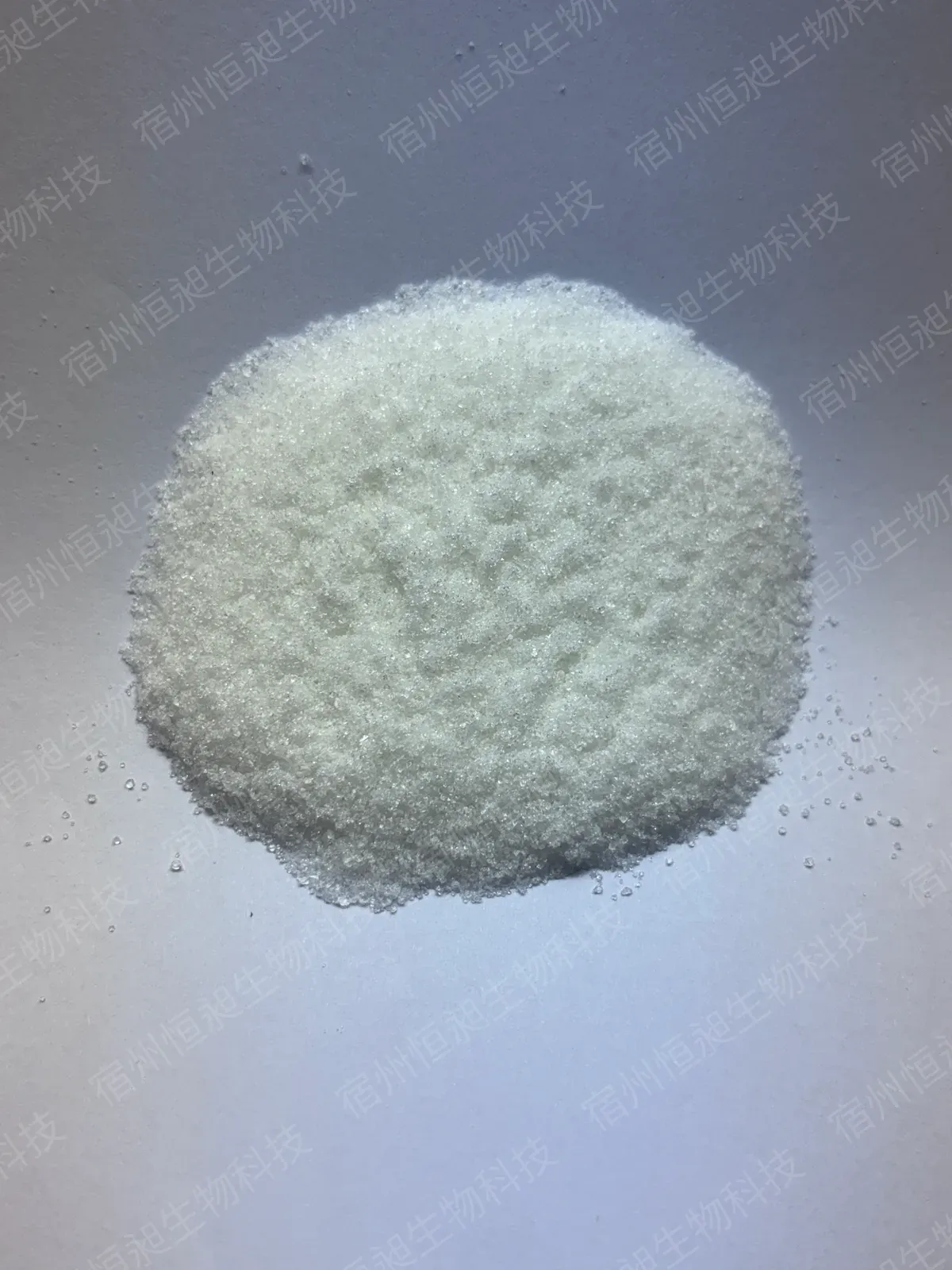
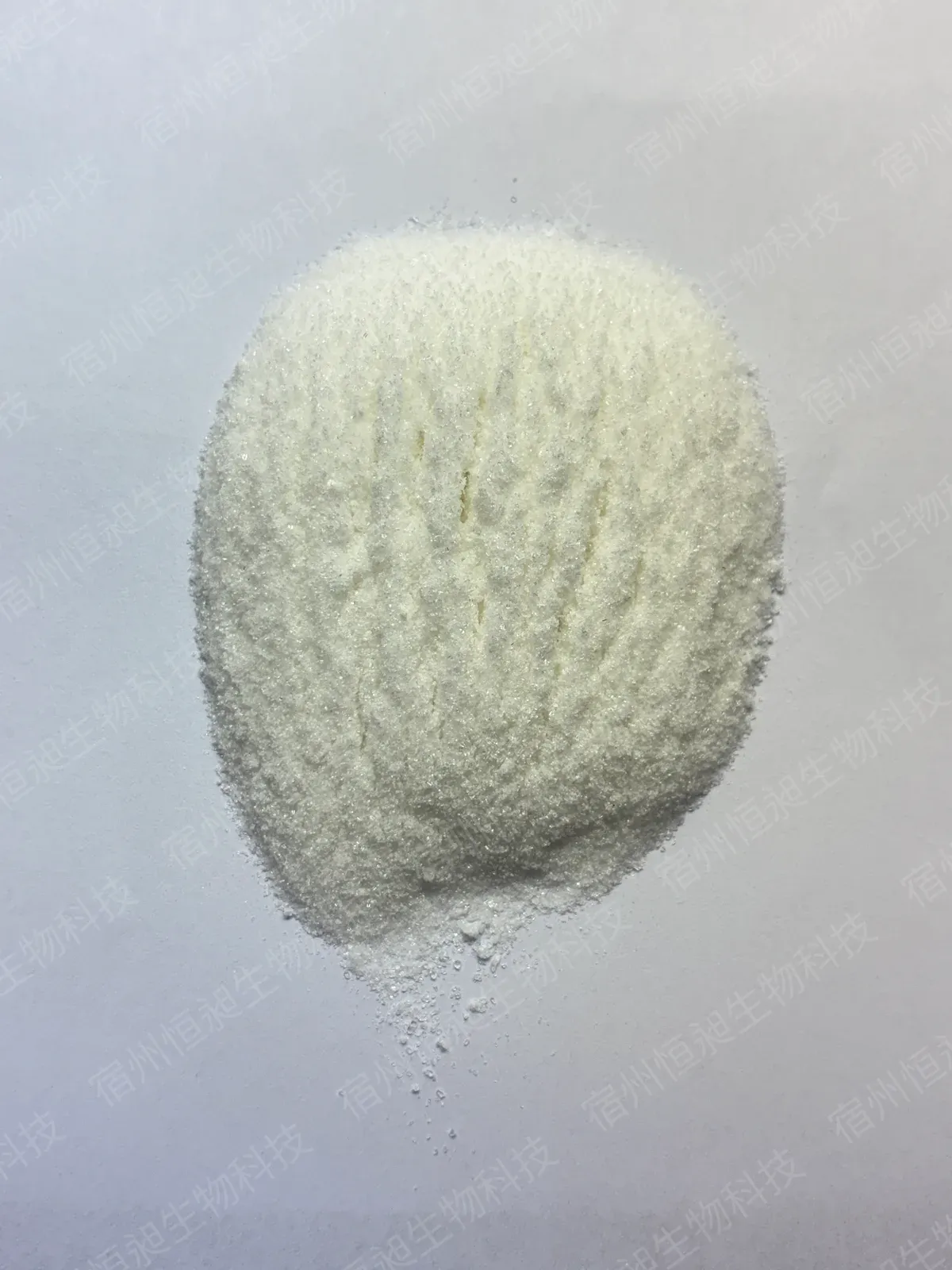
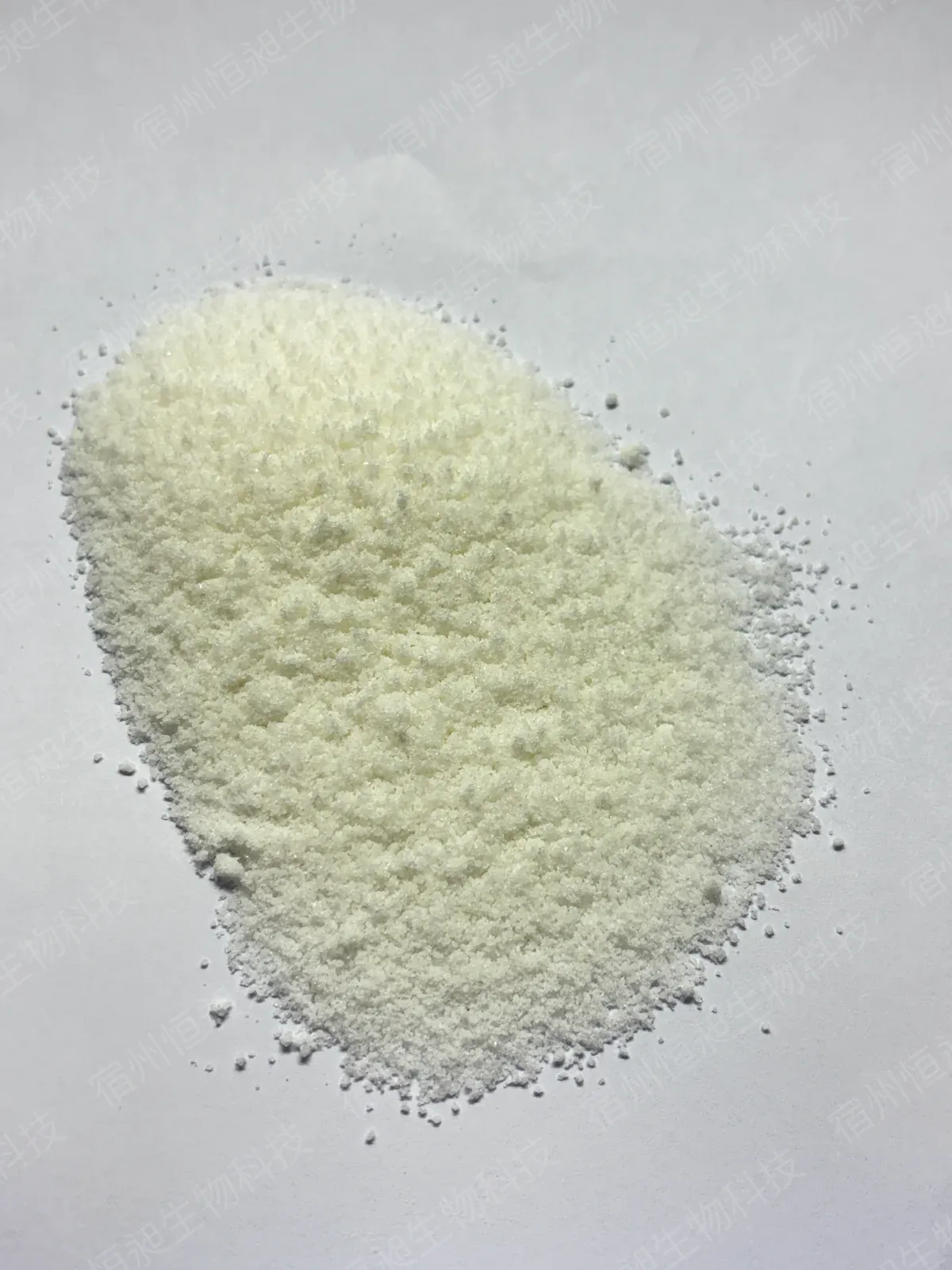
Assay (on dried basis) 98.0-102, melting point 115-118°C, loss on drying ≤0.50%, residue on ignition ≤0.10%, p-hydroxybenzoic and salicylic acid items pass (see specifications); batch data is confirmed with our sales team during inquiry.
What are the common aliases for ethylparaben?
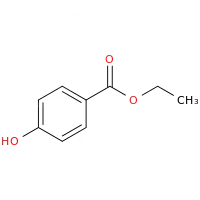
Common aliases include Nipagin A, ethyl p-hydroxybenzoate and 4-hydroxybenzoic acid ethyl ester; quoting CAS number 120-47-8 in inquiries avoids confusion with methyl-, propyl- and butylparaben.
What are the packaging, storage and transport requirements?
Standard packaging is a 25 kg fiber drum, with custom packaging available. With a high melting point (115-118°C), normal storage and transport temperatures stay well below it. Store sealed in a cool, dry, well-ventilated place, protected from moisture and light; transport classification follows the transport identification report and carrier requirements; protect from moisture, sunlight and physical damage.