How is the use level determined, and what is the suitable pH range?
The reference given on this page is the applicable pH range of 4-8 (see Usage); actual dosage depends on the system's preservation needs, formulation verification and the target market's current regulations; some markets (e.g. the EU) restrict its use in cosmetics by concentration limits and scope (per current regulations of the target market). This page does not provide regulatory limit values.
Which organisms does the antimicrobial spectrum cover?
According to published literature, propylparaben shows growth inhibition against Gram-positive and Gram-negative bacteria, molds and yeasts, with higher activity than the methyl and ethyl esters; actual preservation performance is verified in the formulation.
It is practically insoluble in cold water - how is it added?
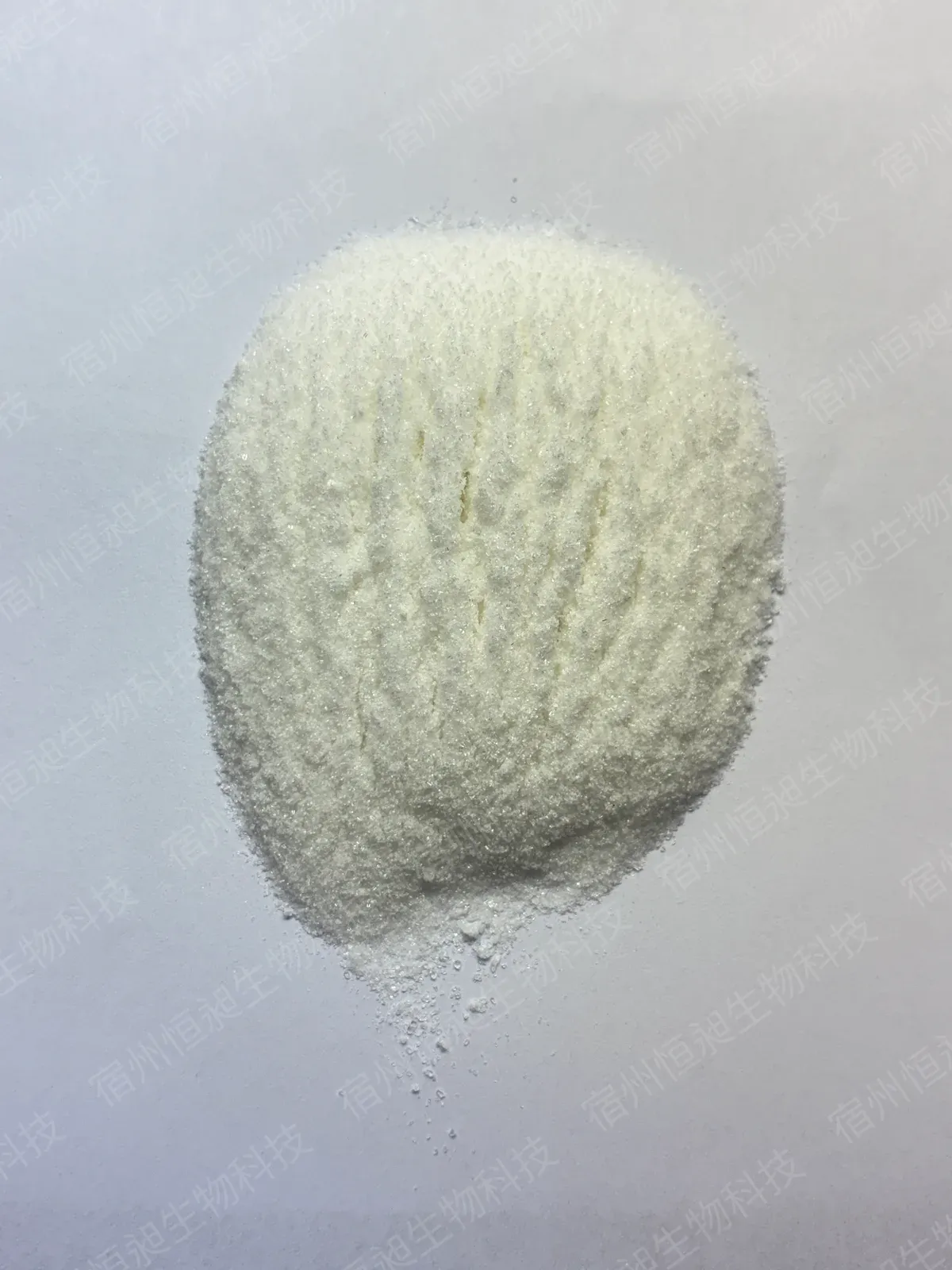
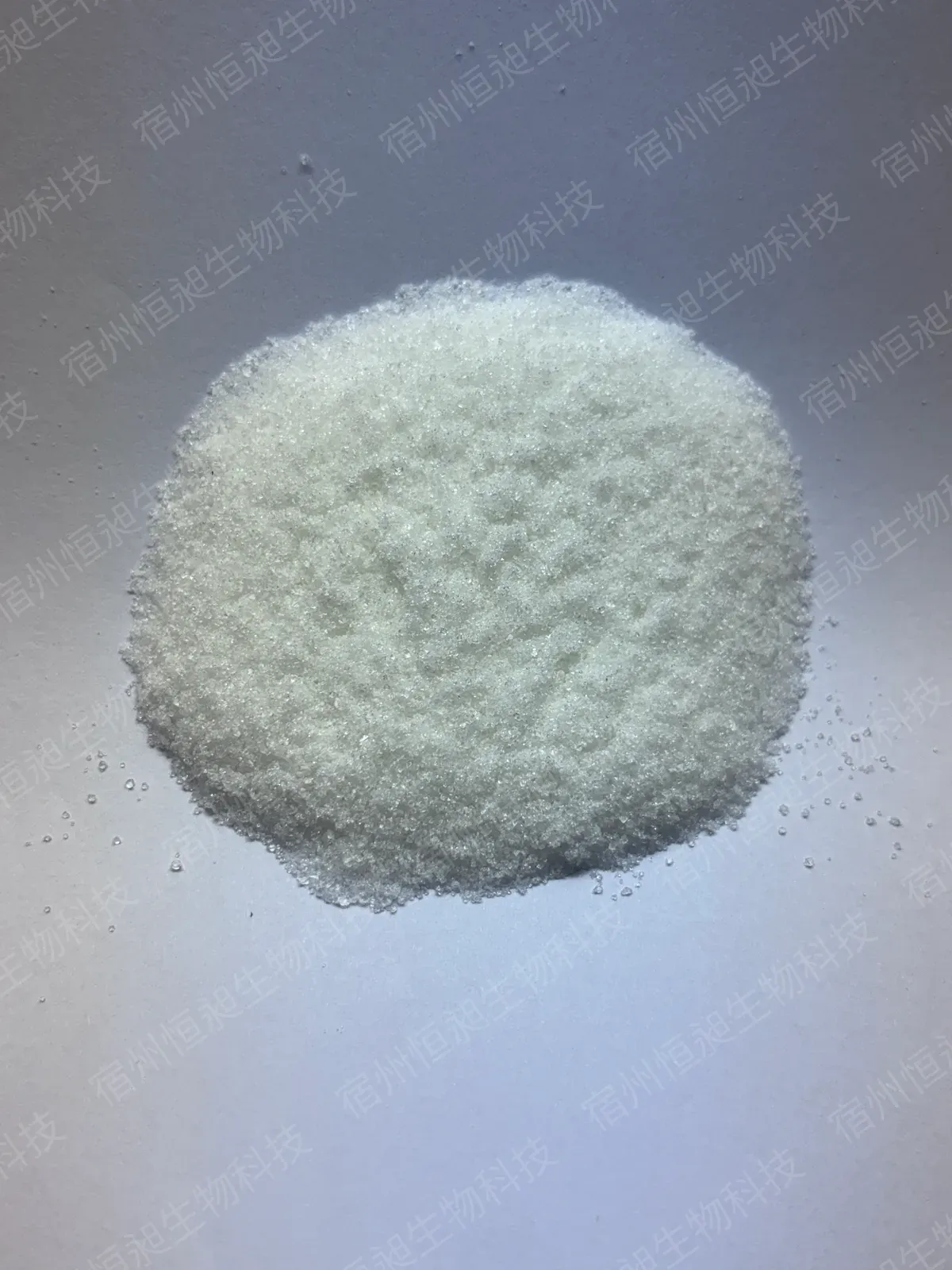
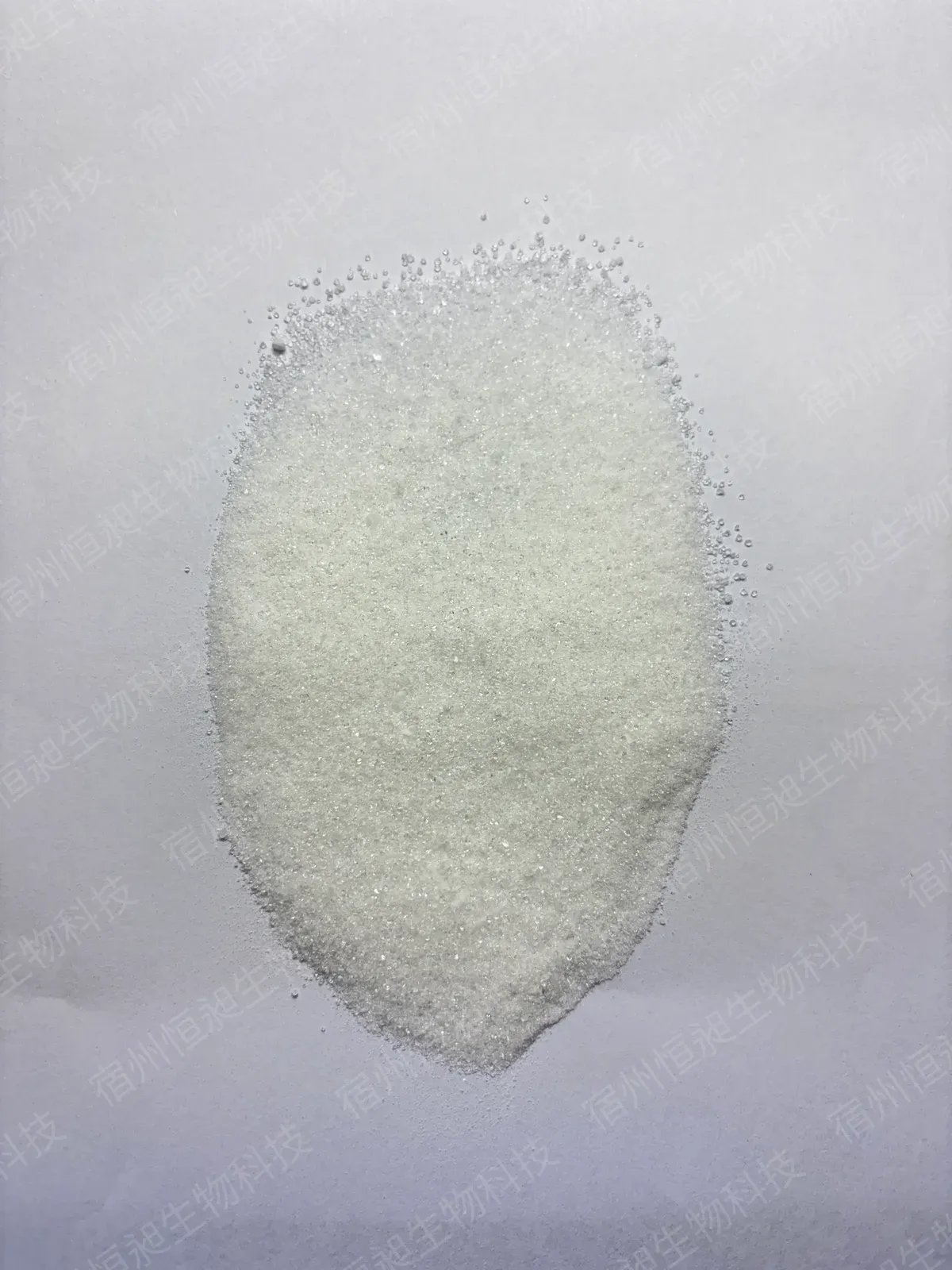
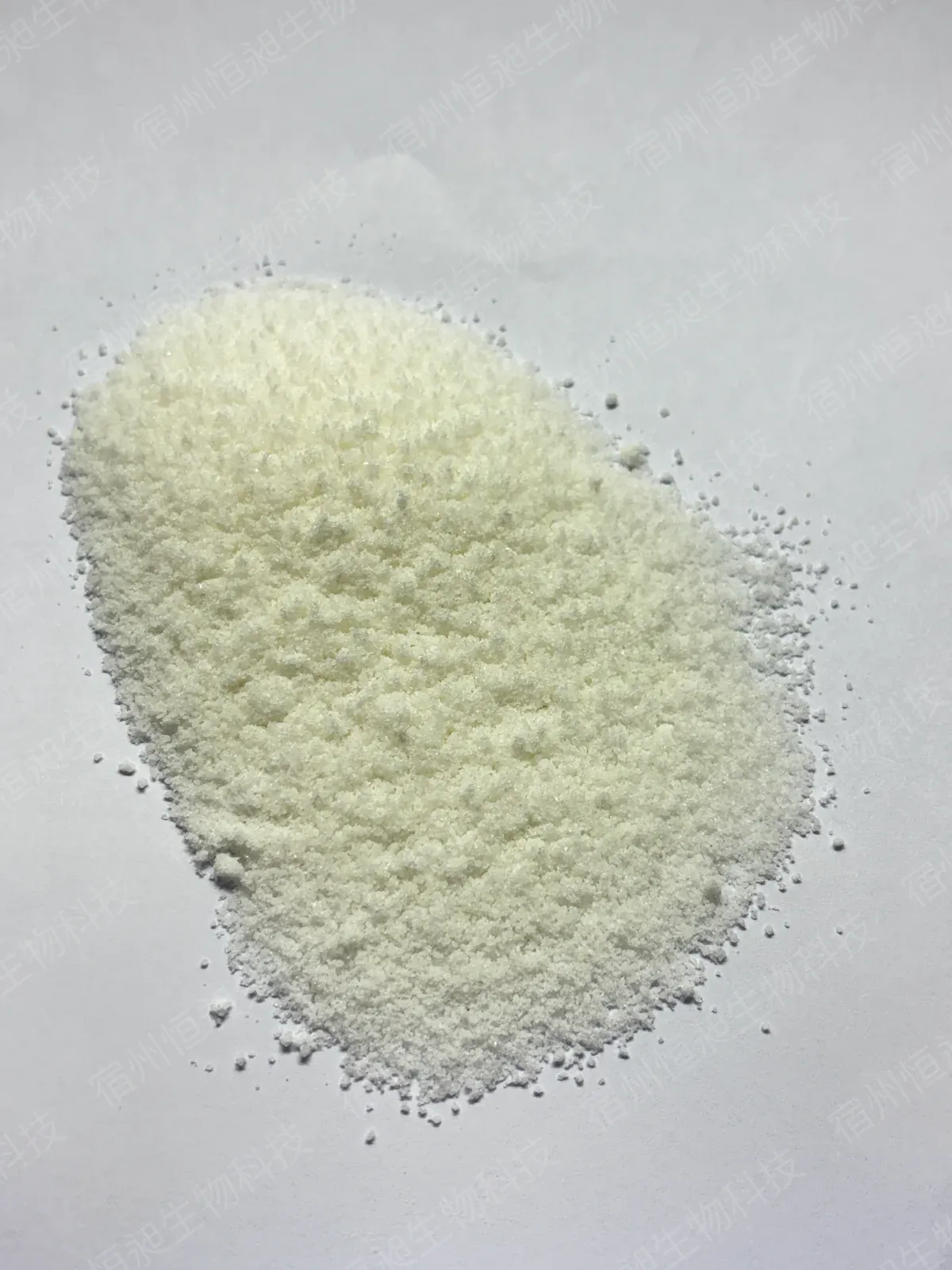
Per the specifications, it dissolves readily in ethanol and ether, with slight solubility in boiling water and near-zero solubility in cold water; pre-dissolve it in the alcohol phase or pre-disperse in warm water before adding to the main system, following the formula's process.
Which products is it commonly blended with?
It is often combined with other parabens; actual combinations and ratios follow formulation verification, and planned partners can be provided at inquiry.
What are the common aliases for propylparaben?
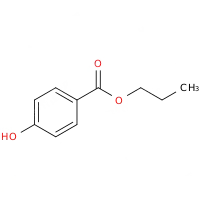
Common aliases include propyl p-hydroxybenzoate, p-hydroxybenzoic acid n-propyl ester and Nipasol. Note that the n-propyl and isopropyl esters are different substances, so quoting CAS number 94-13-3 in inquiries is recommended.
What are the packaging, storage and transport requirements?
Standard packaging is a 25 kg fiber drum, with custom packaging available. Propylparaben is practically insoluble in cold water (solubility in the specifications); the powder should still be kept tightly sealed against moisture. Store sealed in a cool, dry, well-ventilated place, protected from moisture and light; transport classification follows the transport identification report and carrier requirements; protect from moisture, sunlight and physical damage.