Skip to content
HC Technology
Butylparaben
Categories:
Personal Care Ingredients

Butylparaben

Alias
Butylparaben / Butyl parahydroxybenzoate / Butyl p-hydroxybenzoate / Butyl 4-hydroxybenzoate / 4-Hydroxybenzoic acid butyl ester / p-Hydroxybenzoic acid n-butyl ester / 4-Hydroxybenzoic acid n-butyl ester / Nipabutyl
CAS No.
Molecular Formula
C11H14O3
Structure
Butylparaben Chemical Structure
Product Details

Product Overview

Product Summary

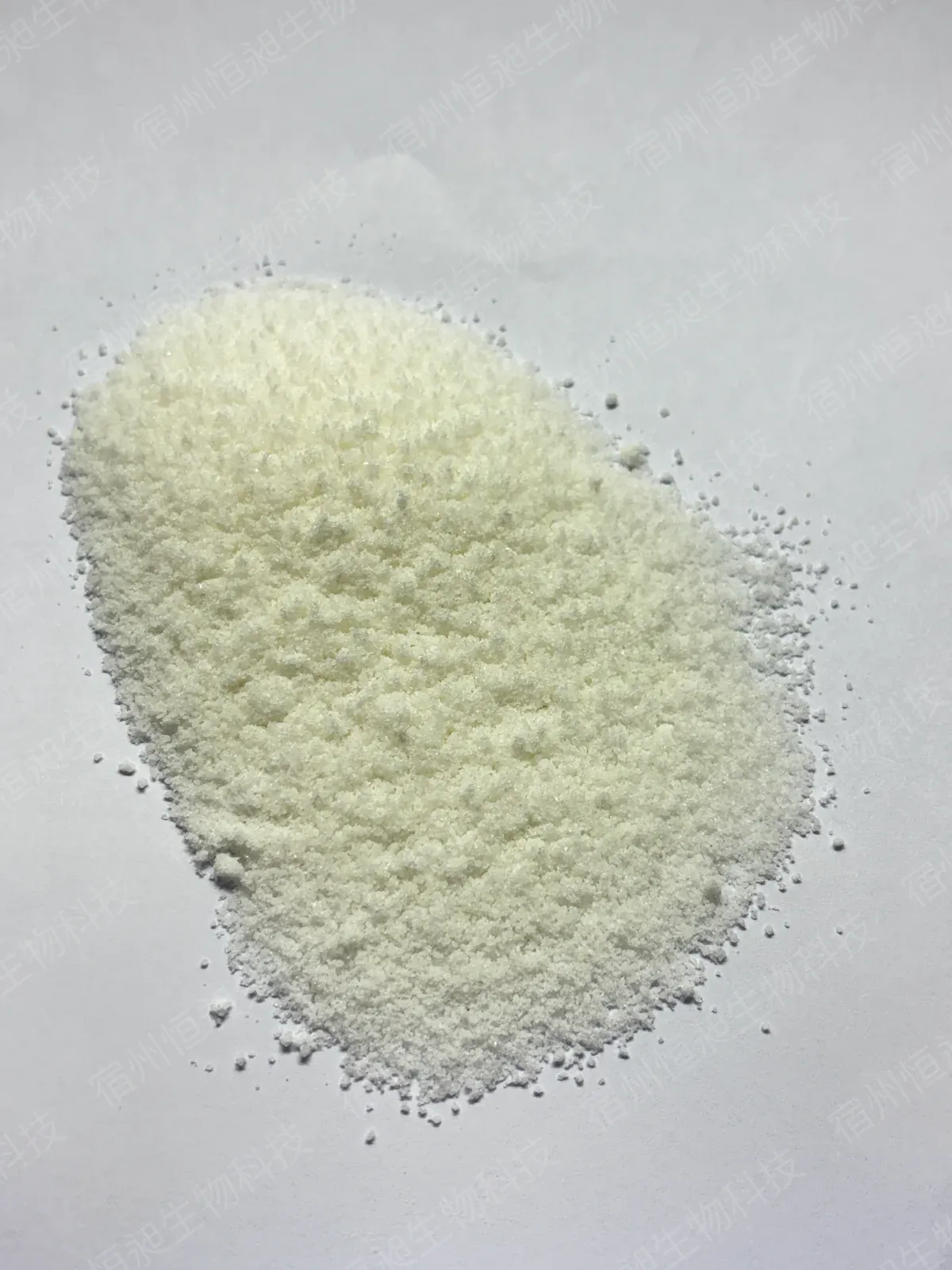
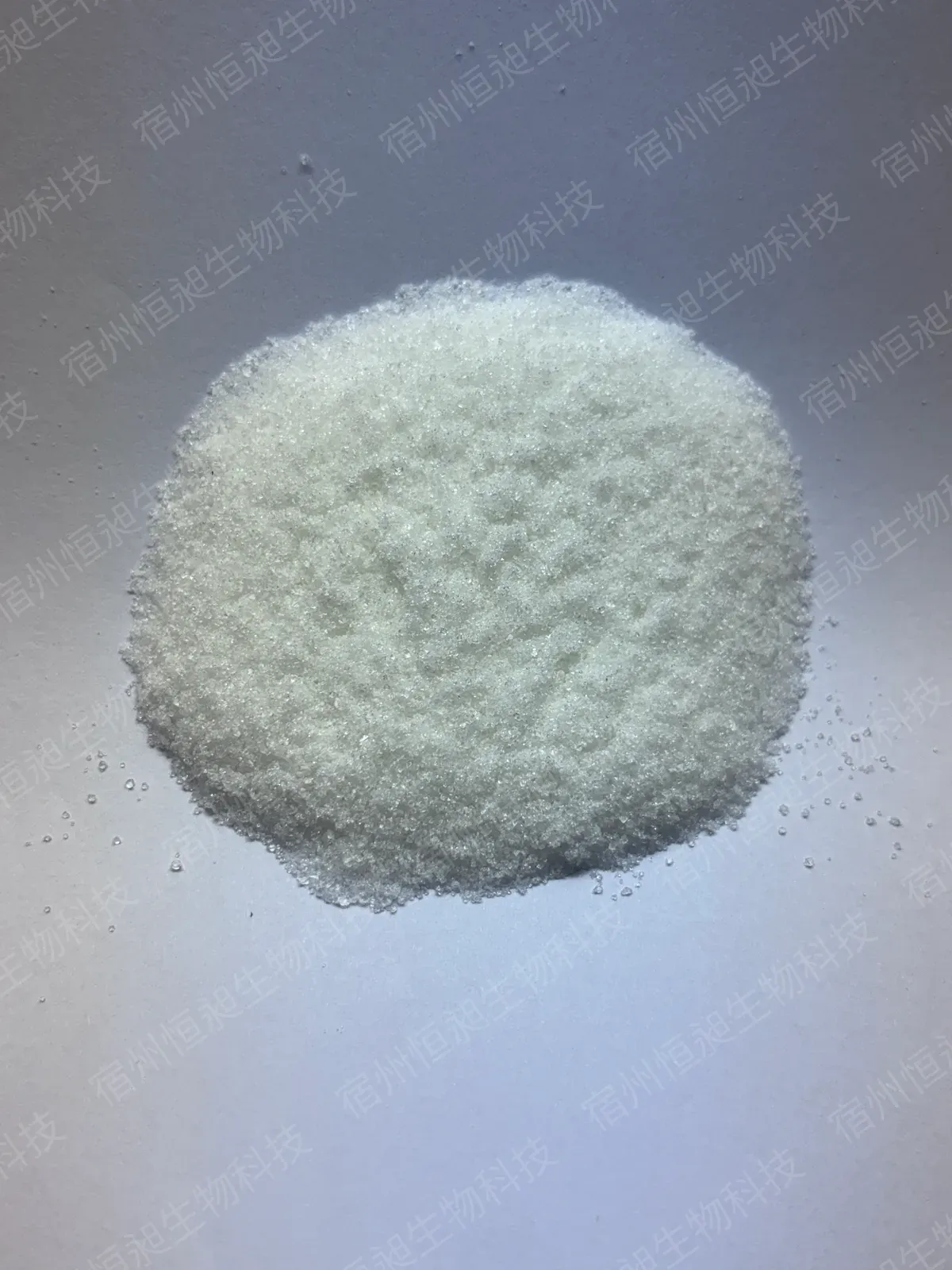
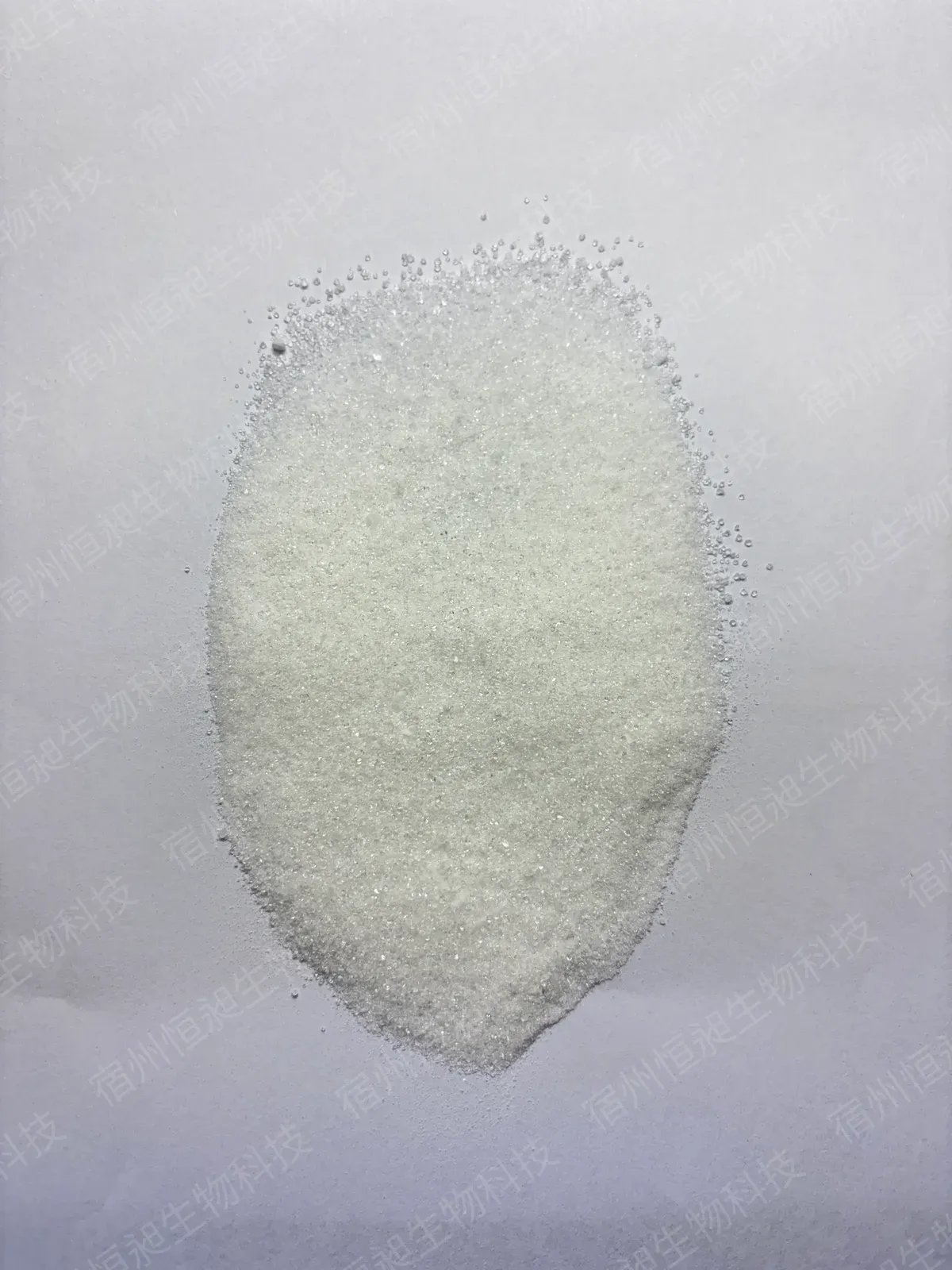
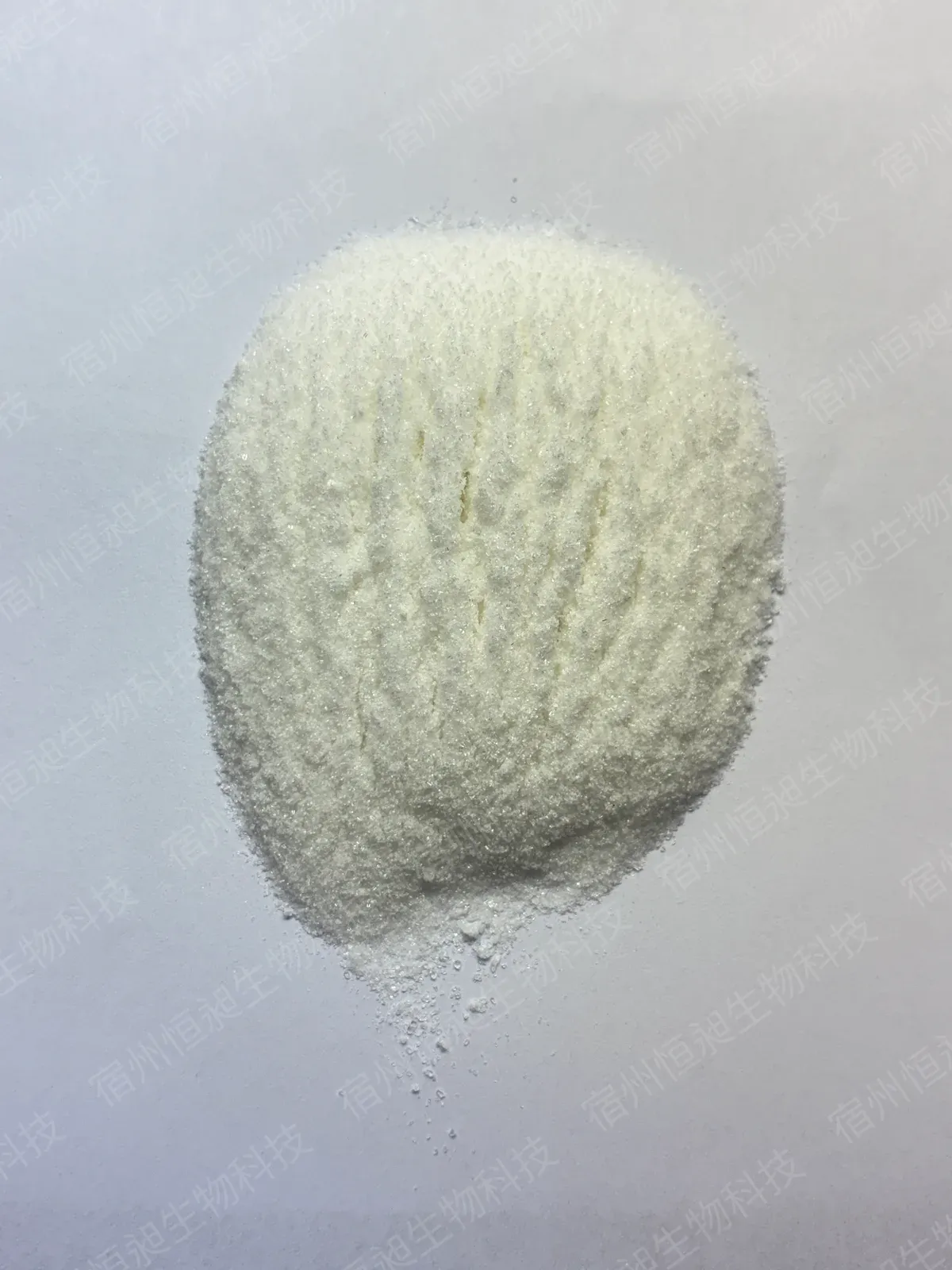
Butylparaben (CAS 94-26-8, molecular formula C11H14O3, molecular weight 194.23) is a white crystalline powder at room temperature, melting at 67-70°C, with an assay of ≥99.0 and salicylic acid ≤0.10% (see specifications). It is slightly soluble in water (1:6500) and soluble in alcohol, ether and chloroform - one of the more oil-soluble members of the paraben series. According to published literature, butylparaben shows growth inhibition against Gram-positive and Gram-negative bacteria, yeasts and molds; the applicable pH range is 4-8. Actual dosage follows formulation verification and the target market's current regulations; some markets (e.g. the EU) restrict its use in cosmetics by concentration limits and scope (per current regulations of the target market). Published literature reports both stand-alone and blended use with other parabens.

Usage

Used in cosmetics and personal care as a preservative and antimicrobial agent, reported active against Gram-positive and Gram-negative bacteria, yeasts and molds. Among the paraben series, the butyl ester has comparatively good oil solubility (slightly soluble in water at 1:6500, soluble in alcohol, ether and chloroform, see specifications). Downstream applications include creams, lotions, lipsticks, eye shadows, foundations and other oil-rich formulas. Published literature reports both stand-alone and blended use. Applicable pH range 4–8; actual dosage follows formulation verification and the target market's current regulations; some markets (e.g. the EU) restrict its use in cosmetics by concentration limits and scope (per current regulations of the target market).
Applications

Applications by Industry

Color Cosmetics & Oil-Rich Formulas

Lipsticks, eye shadows and foundations are built mainly on oil, wax and powder bases (see Usage); with its good oil solubility and slight water solubility, butylparaben is commonly incorporated by blending into the oil-wax system, verified in each formula's process. Typical review points are assay (≥99.0) and salicylic acid (≤0.10%) on this page.

Oil-Phase Component in Cream Blends

In oil-containing systems such as creams and lotions, butylparaben often serves as the oil-phase component of a blended preservative system, paired with more water-soluble esters such as methylparaben (published literature reports both stand-alone and blended use); combinations and ratios are verified by the formulator.

Export Compliance Context

Exported cosmetics and personal care products must meet the target market's listing requirements for the preservatives used; whether a specific use is permitted, its use limits and labelling follow the current regulations of the target market (some markets, e.g. the EU, restrict its use in cosmetics by concentration limits and scope), and buyers are responsible for confirming compliance. No limit values are provided on this page.
Specifications

Technical Specifications

Product Specifications
Appearance White crystals or crystalline powder
Content (on dried basis) % ≥99.0
Melting point °C 67–70
Acidity (pH) 4.0–7.0
Chloride (Cl) % ≤0.02
Sulfate (as SO₄) % ≤0.01
Loss on drying % ≤0.50
Residue on ignition % ≤0.10
Salicylic acid % ≤0.10
Boiling point °C 156–157
Density g/cm³ 1.28
Refractive index 1.5115
Flash point °C 181
Solubility Slightly soluble in water (1:6500); soluble in ethanol, ether and chloroform
Logistics

Packaging, Storage & Transport

Packaging

25 kg/fiber drum; custom packaging available upon request. Sample arrangements and order quantities can be discussed during inquiry, and regular batches are produced against the order schedule.

Storage

Store sealed in a cool, dry, well-ventilated place; protect from moisture and light

Transport

Transport classification follows the goods transport appraisal report and the carrier's requirements

FAQ

Frequently Asked Questions

It is slightly soluble in water - how is it used in oil-phase systems?
Per the specifications, it is slightly soluble in water (1:6500) and soluble in alcohol, ether and chloroform; in oil-wax bases such as lipsticks, eye shadows and foundations it is commonly blended into the oil phase or pre-dispersed from an alcohol solution, following the formula's verified process.
How is the use level determined, and what is the suitable pH range?
The reference given on this page is the applicable pH range of 4-8 (see Usage); actual dosage follows the formulator's verification in the real system and the target market's current regulations; some markets (e.g. the EU) restrict its use in cosmetics by concentration limits and scope (per current regulations of the target market). This page does not provide regulatory limit values.
What are the assay and key specifications?
Assay ≥99.0, melting point 67-70°C, acidity pH 4.0-7.0, chloride ≤0.02, sulfate ≤0.01, salicylic acid ≤0.10 (see specifications); the product is produced and released against these figures, and batch data is confirmed with our sales team.
Which formula types does it suit?
Downstream applications include oil-rich formulas such as creams, lotions, lipsticks, eye shadows and foundations; suitability follows formulation verification and the regulatory requirements confirmed by the buyer.
What are the common aliases for butylparaben?
Common aliases include butyl p-hydroxybenzoate, p-hydroxybenzoic acid n-butyl ester and Nipabutyl. The four paraben esters carry similar names, so quoting CAS number 94-26-8 in inquiries is recommended.
What are the packaging, storage and transport requirements?
Standard packaging is a 25 kg fiber drum, with custom packaging available. Store sealed in a cool, dry, well-ventilated place, protected from moisture and light; transport classification follows the transport identification report and carrier requirements; protect from moisture, sunlight and physical damage. With a low melting point (67-70°C), avoid exposure to sun and heat sources in hot seasons.