What are the main application directions of methyl 2-benzoylbenzoate?
Two directions: first, UV curing, where it works as a photoinitiator (MBB/OMBB) for UV coatings and inks, initiating polymerization by absorbing ultraviolet light to cure the coating; second, the dye and pigment industry - the parent acid (BB acid) is a classic intermediate in anthraquinone synthesis, and this product can serve as an esterification feedstock in such routes. The specification focus differs by direction - state your application during inquiry and our sales team will provide batch data accordingly.
What are the assay and key specifications?
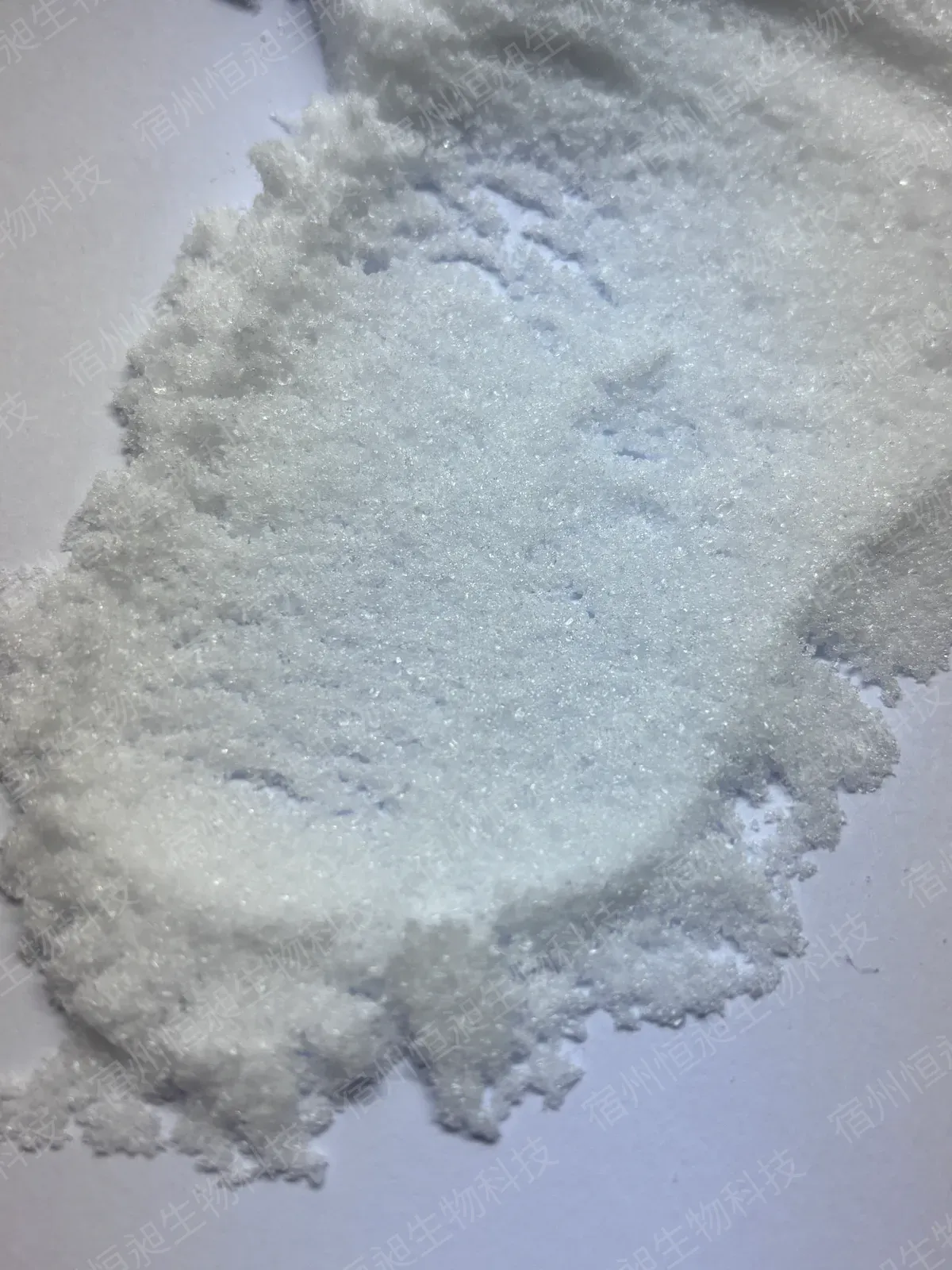
White crystalline powder with an assay (HPLC) of 99-100.5%, melting point 48-53°C, boiling point 352°C, flash point above 110°C, residue on ignition ≤0.1% and loss on drying ≤0.5% (see specifications); production and release inspection follow the specifications on this page, and batch data is confirmed with our sales team during inquiry.
What packaging and order quantities are available?
Standard packaging is a 25 kg bag, and custom packaging is available. Sample arrangements and order quantities can be discussed during inquiry; regular batches are produced against the order schedule.
What should I note for food-contact material directions?
Where used in food-contact material directions, compliance is subject to specific test reports and the regulations of the target market, and buyers are responsible for confirming compliant use; test data for specific items can be discussed one by one during inquiry.
What are common aliases, and how should I identify the product in inquiries?
Common aliases include methyl o-benzoylbenzoate and 2-benzoylbenzoic acid methyl ester; in the industry it is often referred to as MBB, OMBB or photoinitiator MBB. Quoting CAS number 606-28-0 in inquiries helps avoid confusion with similarly named substances such as o-benzoylbenzoic acid (the free acid).
What are the storage and transport requirements?
Store protected from light and sealed in a cool, dry place; transport classification follows the goods transport appraisal report and the carrier's requirements, with packaging kept intact.