What are common aliases for dimethyl succinate in inquiries?
Common aliases include succinic acid dimethyl ester and methyl succinate. The abbreviation DMS can refer to different compounds in trade contexts (dimethyl sulfate is common in shipping documents); use the full name or CAS 106-65-0 to avoid confusion. Quoting CAS number 106-65-0 in inquiries helps avoid confusion with homologues such as diethyl succinate or diisopropyl succinate.
What are the assay and key specifications?
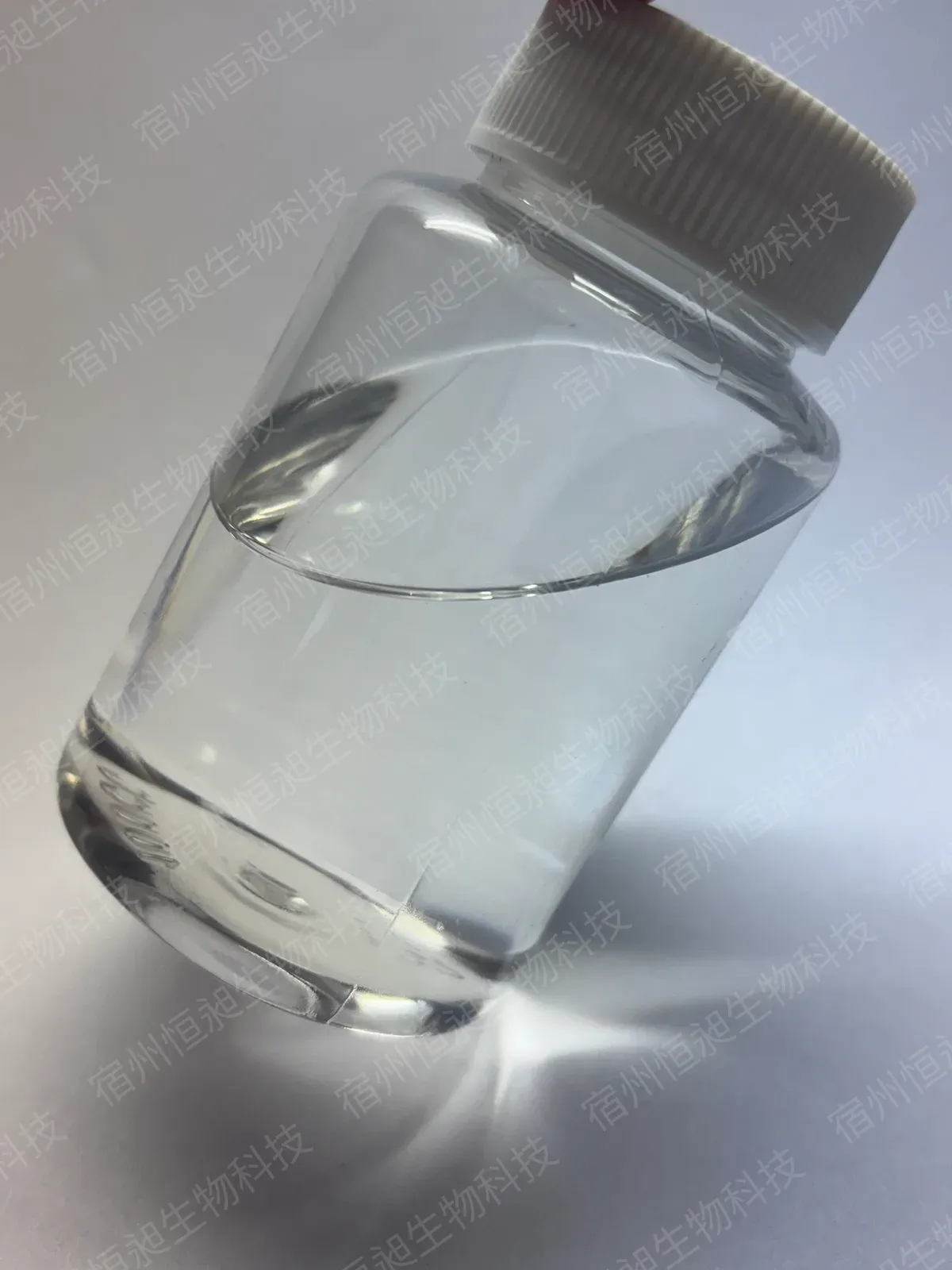
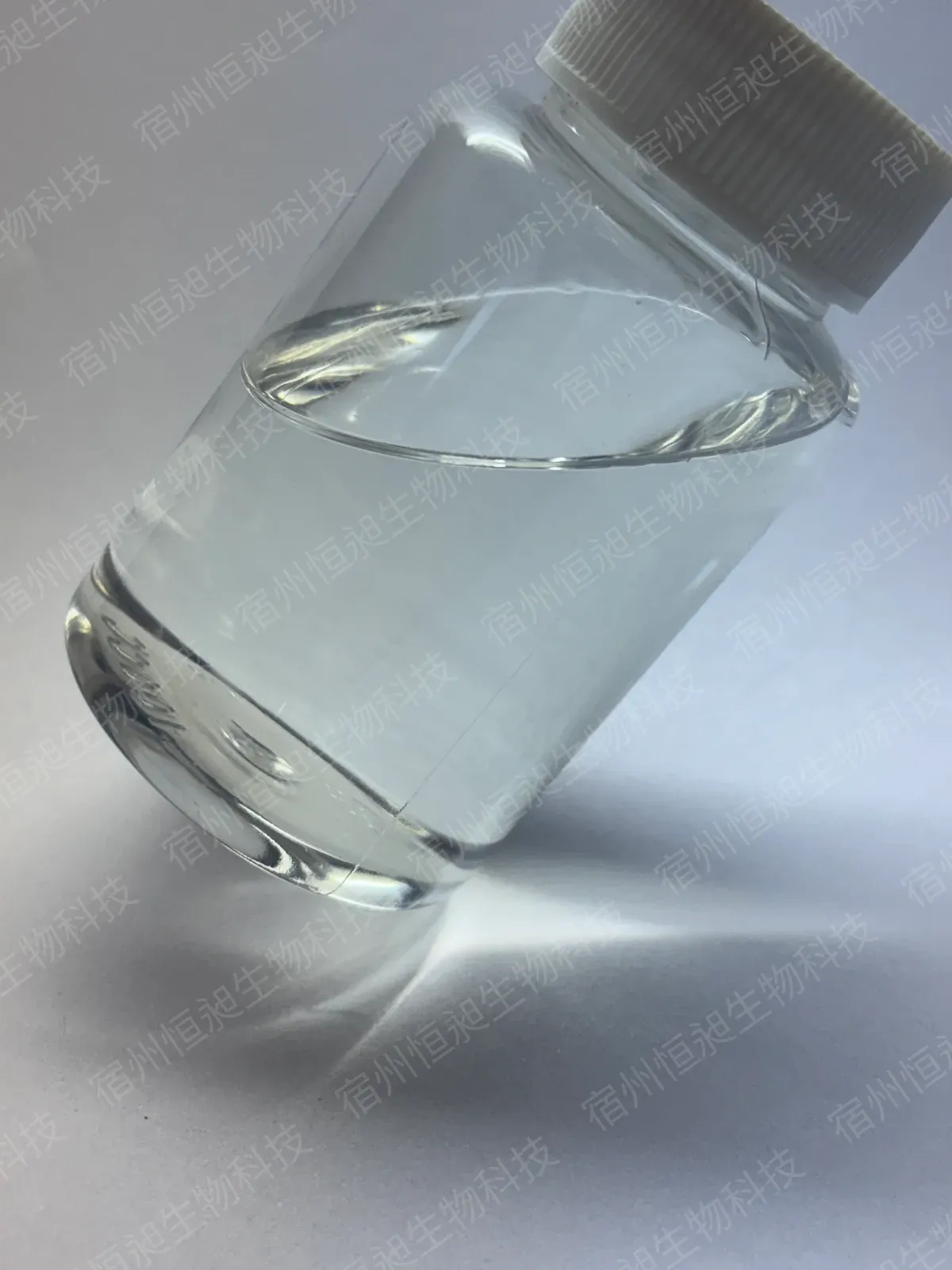
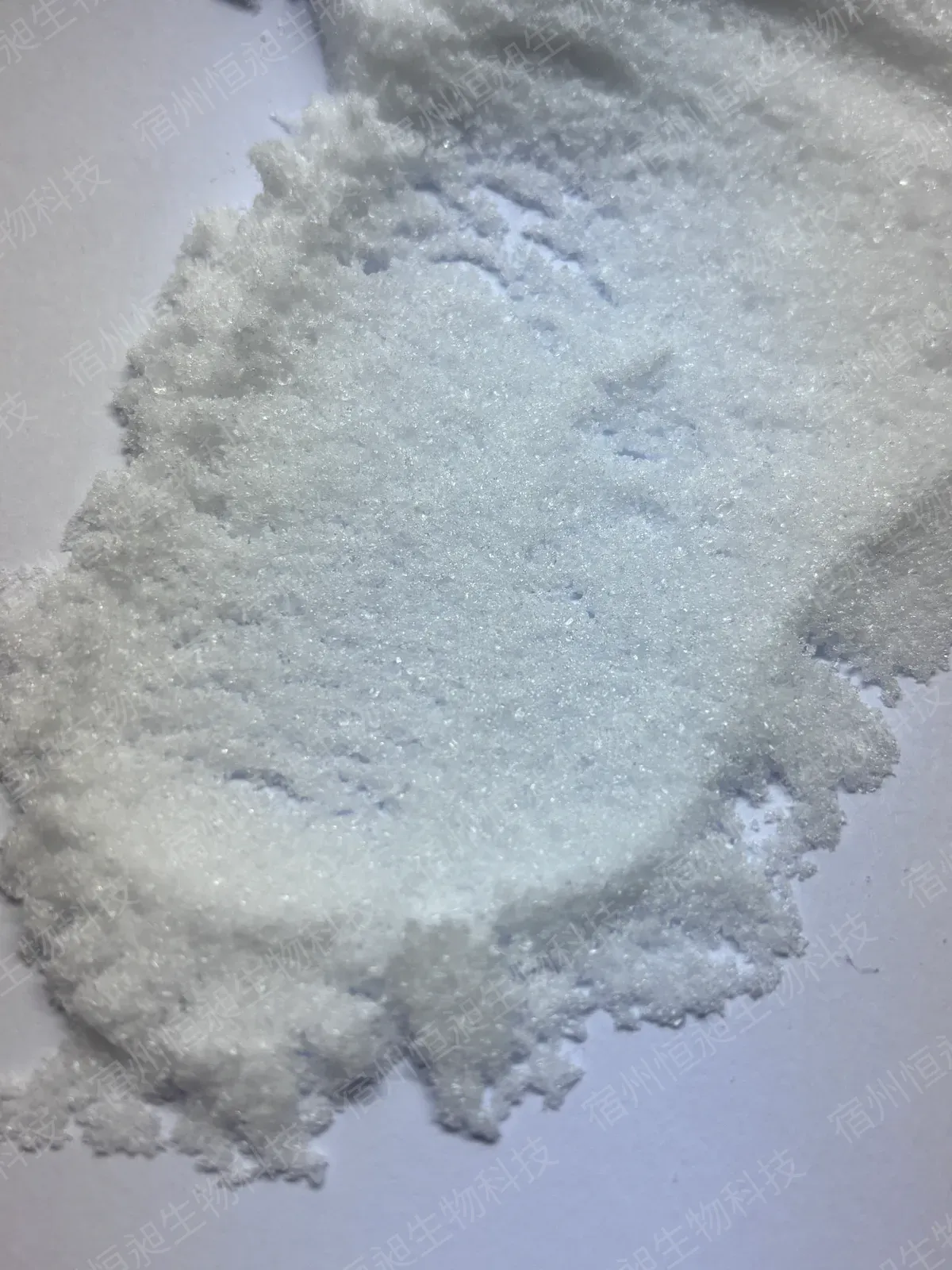
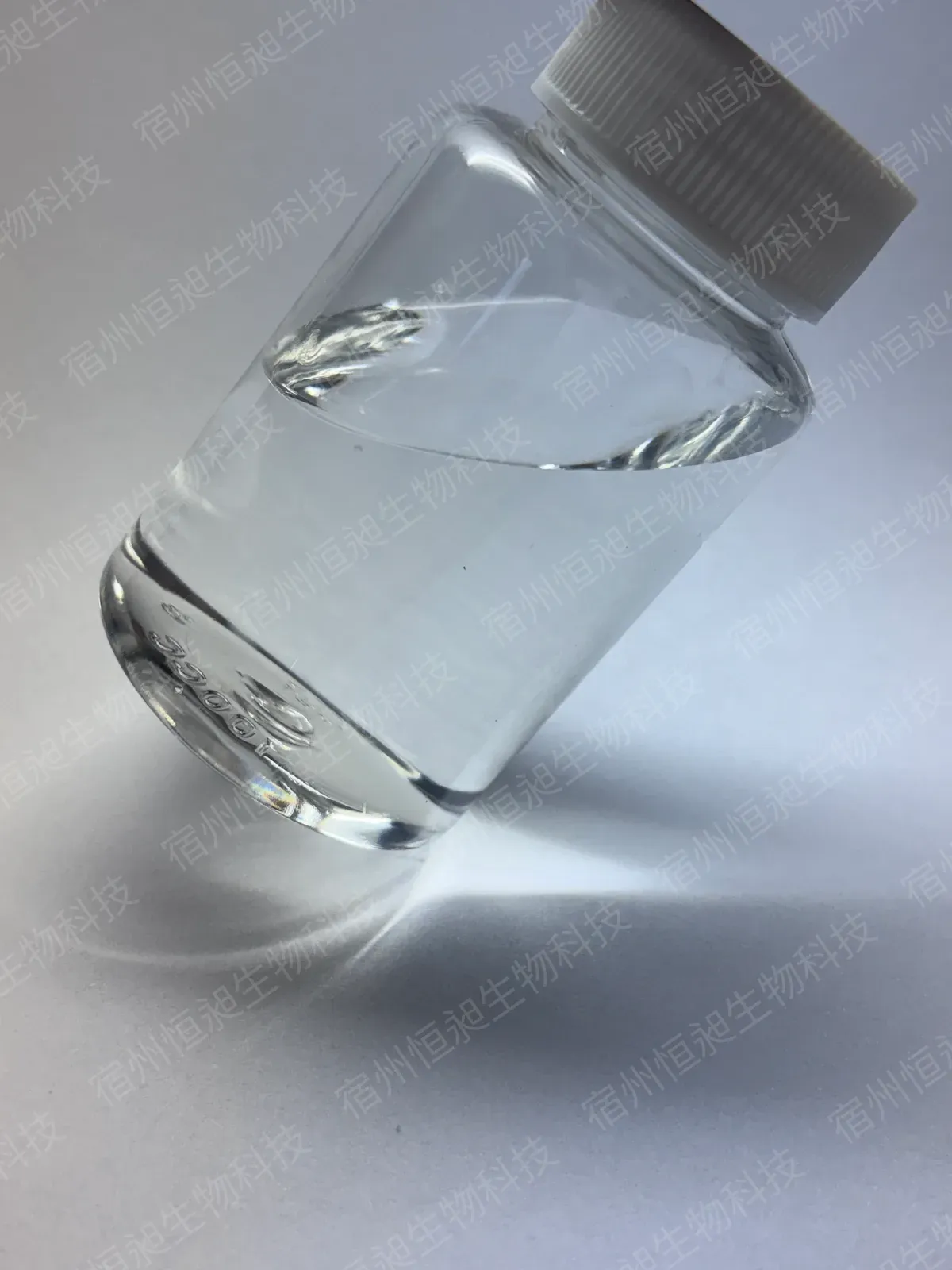
Colorless clear liquid with an assay (capillary GC) of ≥98.0%, density (20°C) 1.117-1.123 g/mL, boiling point 200°C, melting point 16-19°C, moisture ≤0.5% and acidity (as HOOCCH2CH2COOH) ≤0.5% (see specifications); production and release inspection follow the specifications on this page, and batch data is confirmed with our sales team during inquiry. The melting point is close to room temperature, so crystallization or solidification may occur in low-temperature environments - a normal state change for this property; check the physical state before use and allow it to return to liquid form.
How do I choose between dimethyl succinate and diisopropyl succinate?
Both are succinate esters and differ mainly in carbon chain and physical properties: this product boils at 200°C with a water solubility of 8.5 g/L, while diisopropyl succinate boils at 228°C and is insoluble in water. Select by the evaporation rate, solubility and process temperature your system requires, and verify in the actual formulation.
What does the 200°C boiling point mean for process use?
Generally, a boiling point of 200°C corresponds to slow evaporation at room temperature, and the product can serve as a solvent or reaction medium under elevated-temperature conditions, while the energy and temperature design of distillation recovery needs to account for it. Confirm details through process validation.
What packaging and order quantities are available?
Standard packaging is a 200 kg iron or plastic drum, and custom packaging is available. Sample arrangements and order quantities can be discussed during inquiry; regular batches are produced against the order schedule.
What are the storage and transport requirements?
Store sealed in a cool, dry, well-ventilated place, protected from light, heat and open flame; transport classification follows the goods transport appraisal report and the carrier's requirements, with packaging kept intact.