
Skip to content
HC Technology
N-Cyanoethylaniline
Categories:
Colorants & Intermediates

N-Cyanoethylaniline

Alias
3-(Phenylamino)propanenitrile / 3-(Phenylamino)propionitrile / Cyanoethylaniline
CAS No.
Molecular Formula
C9H10N2
Structure
N-Cyanoethylaniline Chemical Structure
Product Details

Product Overview

Product Summary

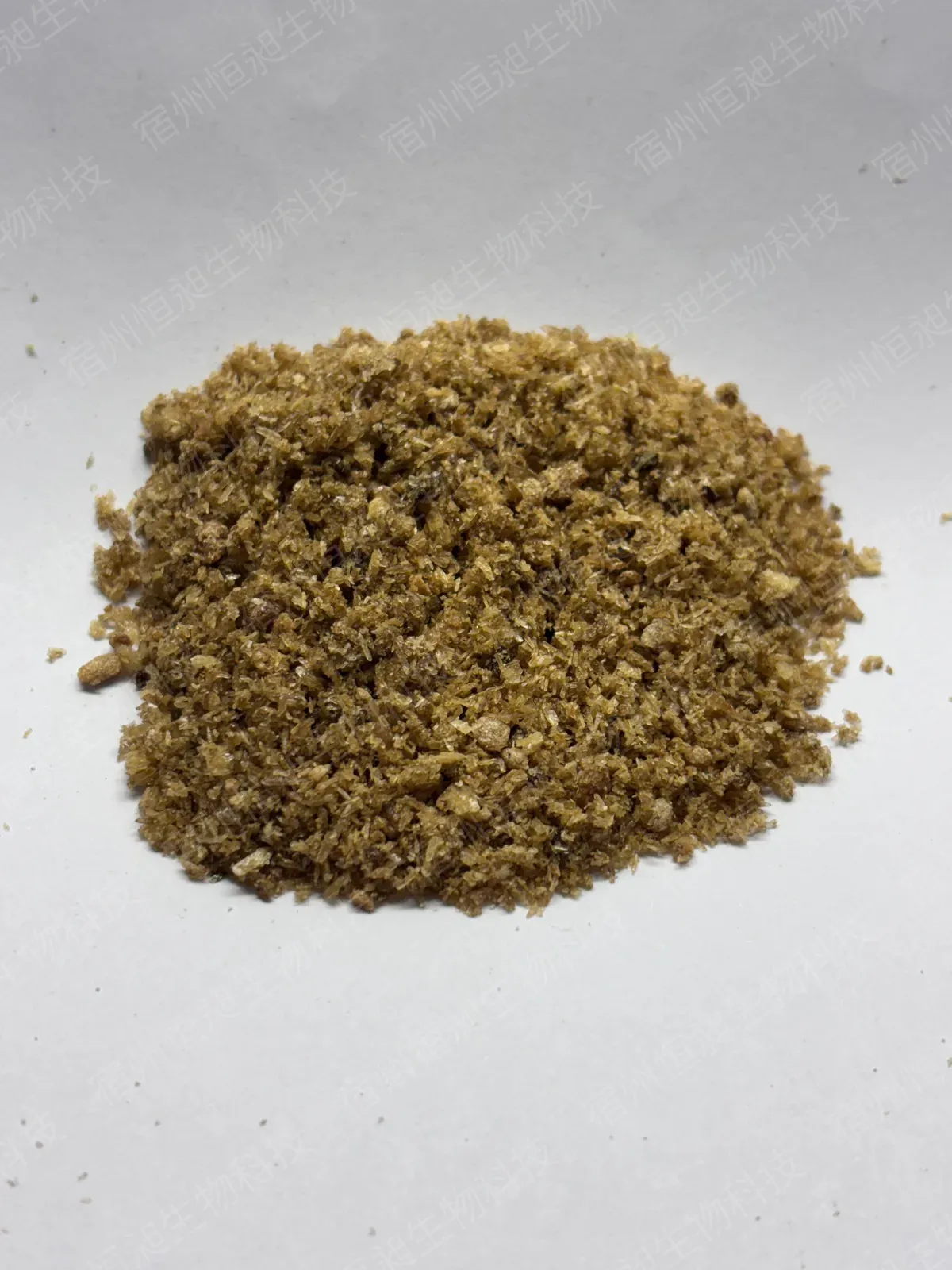
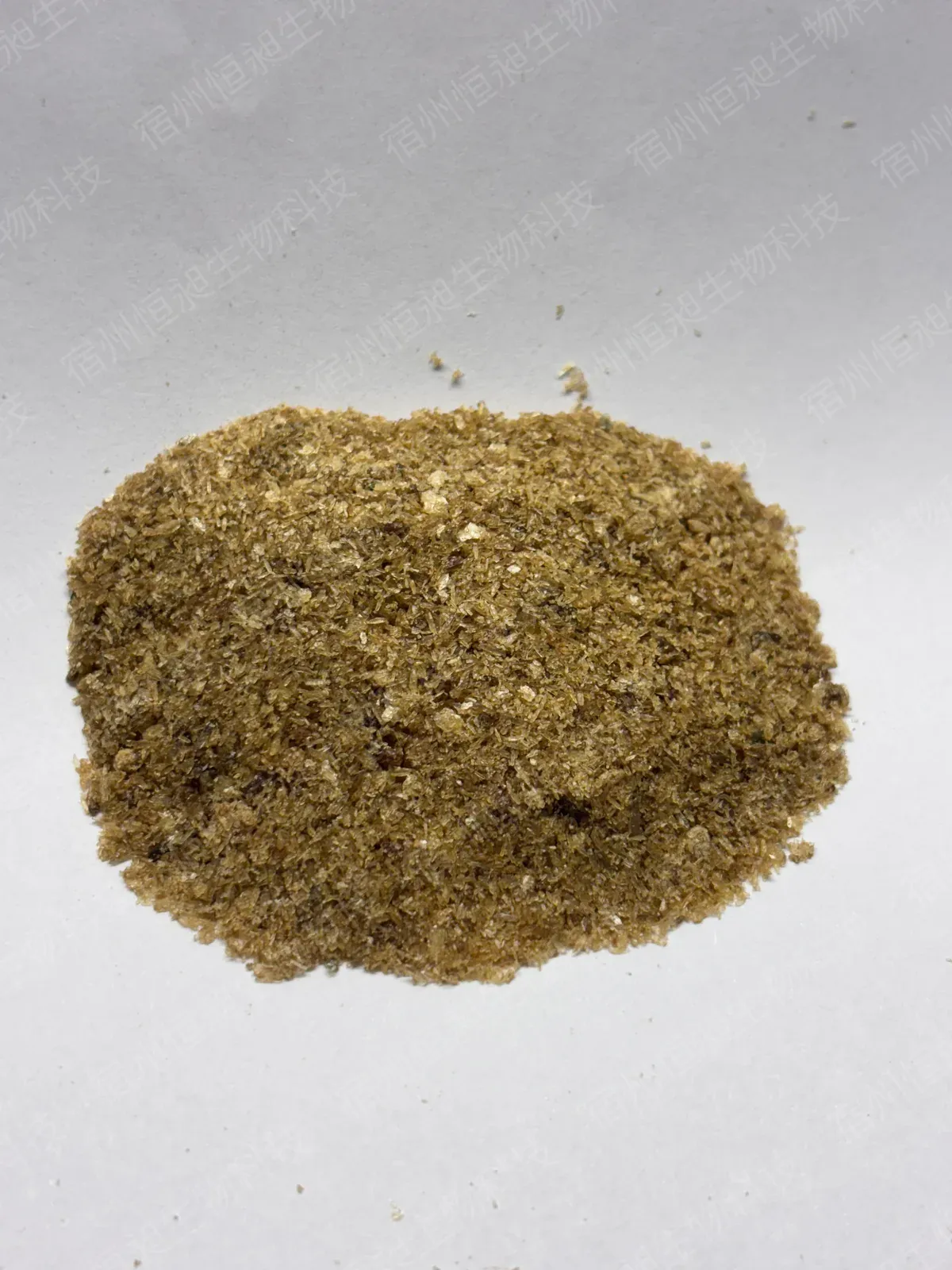
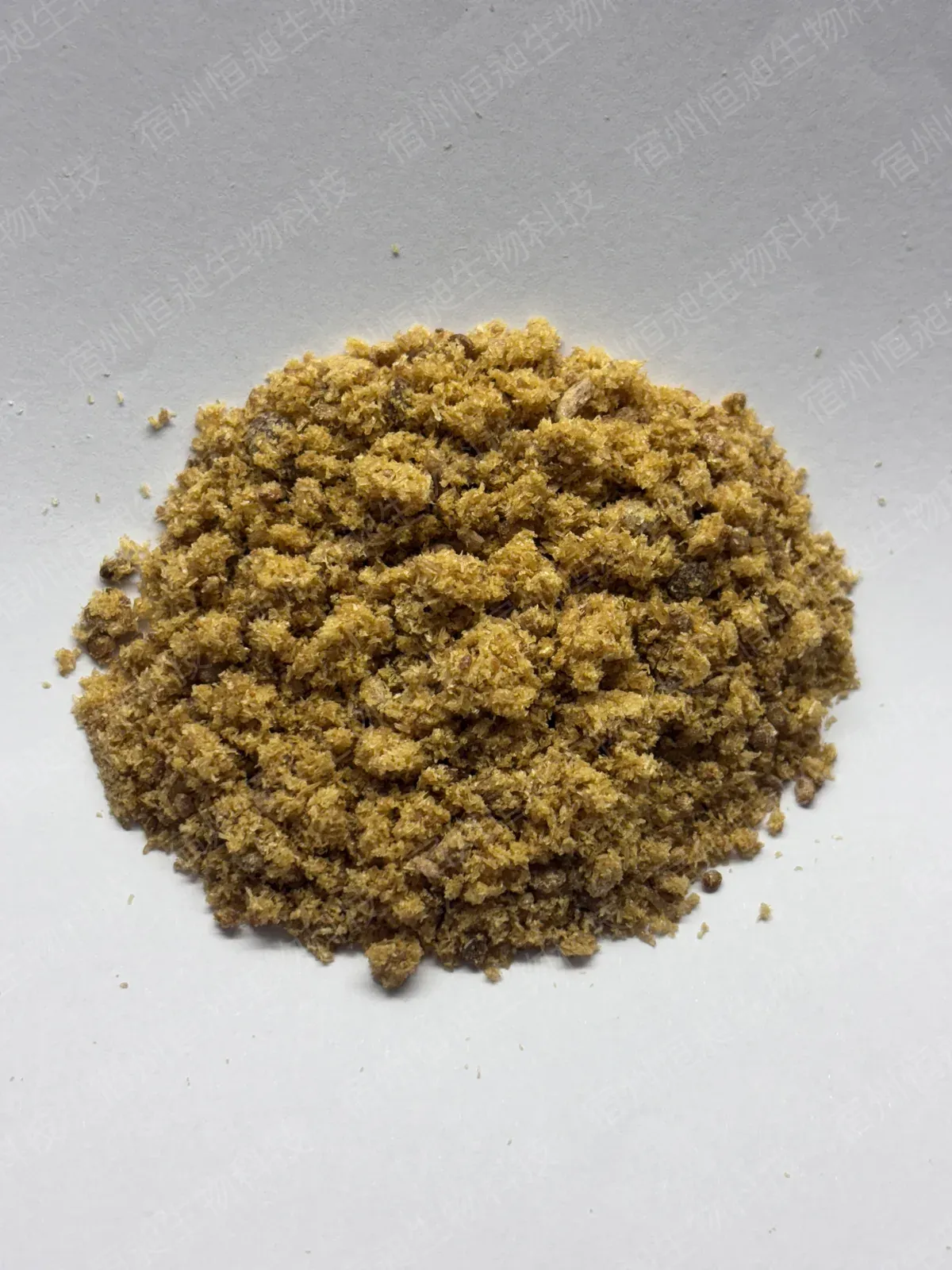
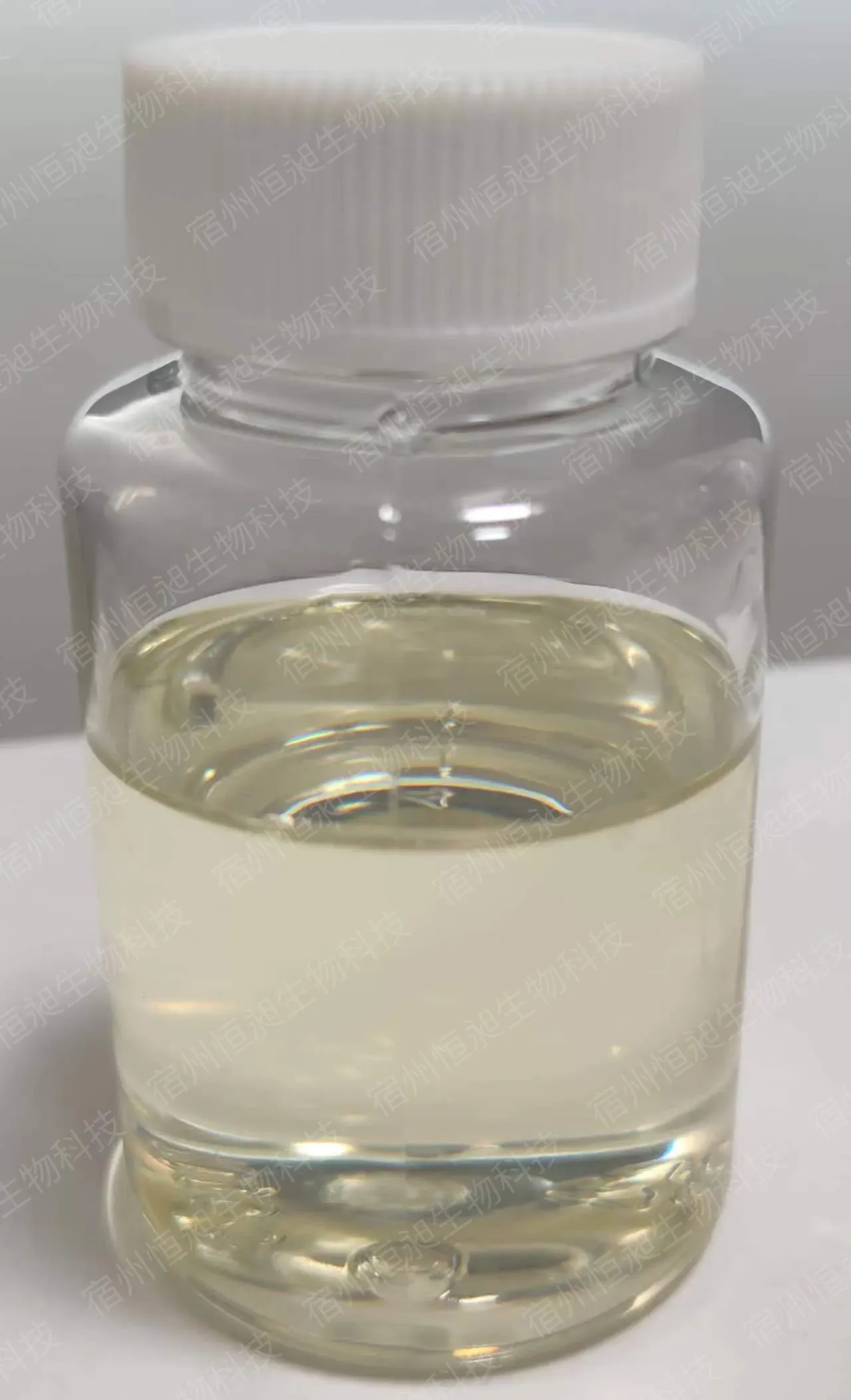
N-Cyanoethylaniline, also known as 3-(phenylamino)propanenitrile, has molecular formula C9H10N2, molecular weight 146.19 and CAS number 1075-76-9. It appears as light yellow crystals or a low-melting-point solid with an assay (GC) of ≥98.0%, a melting point of 50-53°C, a boiling point of 160°C under reduced pressure (6 mmHg) and moisture ≤0.3% (see specifications). The cyanoethyl group (-CH2CH2CN) attached to the aniline nitrogen is the reactive functional group for subsequent steps, taking part in hydrolysis, reduction and cyclization to build nitrogen-containing heterocyclic structures; the retained N-H on nitrogen also leaves a site for further substitution (see standard organic chemistry textbooks). The product is supplied in 500 kg FIBC packaging and is used mostly as a coupling component for disperse dyes.
Usage

Used in dyes, disperse dyes and fine chemicals as an important intermediate for synthesizing disperse dyes. The cyanoethyl group (-CH₂CH₂CN) is the key reactive functional group, participating in subsequent hydrolysis, reduction and cyclization reactions to construct nitrogen-containing heterocyclic structures. Used primarily as a coupling component for disperse dyes, common in the synthesis of orange, red and yellow disperse dye varieties. Introduction of the cyanoethyl group serves to modulate dye polarity and dyeing uptake (finished-dye performance is subject to testing of the finished dye).
Applications

Applications by Industry

Coupling Component for Orange, Red & Yellow Disperse Dyes

In disperse dye synthesis, this product is used mainly as a coupling component and is common in the diazo coupling steps of orange, red and yellow disperse dye varieties; coupling-component purity affects the synthesis batch at hand, and figures such as assay (GC ≥98.0%) and melting point (50-53°C) are listed under specifications for item-by-item review before charging. Specific routes follow the customer's process.

Nitrogen Heterocycle Construction

The cyanoethyl group takes part in subsequent hydrolysis, reduction and cyclization reactions to build nitrogen-containing heterocyclic structures, and the retained N-H leaves a site for further substitution. This direction operates at the synthesis-route level; reaction conditions follow published methods and the customer's process validation.

Dye Polarity & Uptake Modulation

Introducing the cyanoethyl group serves to modulate dye polarity and dyeing uptake and is a common structural modification in disperse dye molecular design (finished-dye performance is subject to testing of the finished dye); additional specification requirements can be discussed item by item during inquiry.
Specifications

Technical Specifications

Product Specifications
Appearance Light yellow crystals or low-melting-point solid
Content (GC) % ≥98.0
Melting point °C 50–53
Boiling point °C (6 mmHg) 160
Density g/cm³ ca. 0.994
Moisture % ≤0.3
Logistics

Packaging, Storage & Transport

Packaging

500 kg FIBC (jumbo bag); custom packaging available upon request. Sample arrangements and order quantities can be discussed during inquiry, and regular batches are produced against the order schedule.

Storage

Store sealed in a cool, dry, well-ventilated place away from heat, sparks and open flames; avoid direct sunlight

Transport

Transport classification follows the goods transport appraisal report and the carrier's requirements

FAQ

Frequently Asked Questions

Which subsequent reactions does the cyanoethyl group support?
The cyanoethyl group (-CH2CH2CN) takes part in hydrolysis, reduction and cyclization reactions and is a common functional group for building nitrogen-containing heterocycles; reaction conditions follow published methods and the customer's process validation.
How should a low-melting-point solid be handled and stored?
The product appears as light yellow crystals or a low-melting-point solid with a melting point of 50-53°C (see specifications); partial melting may occur in high summer or warm warehouses, which is a physical effect — verify the state batch by batch before charging.
Which dye shade families is it used in?
It is used mainly as a coupling component for disperse dyes, common in orange, red and yellow varieties; shade and performance depend on the specific dye structure, and selection can be discussed with our sales team together with the downstream process.
How should the boiling-point figure be read?
The boiling point in the specifications is 160°C under reduced pressure at 6 mmHg (see specifications); actual distillation conditions follow the customer's process.
What packaging and order quantities are available?
Standard packaging is a 500 kg FIBC (jumbo bag), and custom packaging is available. Sample arrangements and order quantities can be discussed during inquiry; regular batches are produced against the order schedule.
What are the storage, transport and identification notes?
Store sealed in a cool, dry, well-ventilated place away from heat, sparks and open flames, avoiding direct sunlight; transport classification follows the goods transport appraisal report and the carrier's requirements. Quoting CAS number 1075-76-9 in inquiries avoids confusion with similarly named substances such as N-ethyl-N-cyanoethylaniline (CAS 148-87-8).