
Skip to content
HC Technology
N,N-Dicyanoethylaniline
Categories:
Colorants & Intermediates

N,N-Dicyanoethylaniline

Alias
DCA / N,N-Bis(2-cyanoethyl)aniline / N,N-Bis(cyanoethyl)aniline / 3,3'-(Phenylimino)bis[propionitrile] / 3-[(2-Cyanoethyl)(phenyl)amino]propanenitrile
CAS No.
Molecular Formula
C12H13N3
Structure
N,N-Dicyanoethylaniline Chemical Structure
Product Details

Product Overview

Product Summary

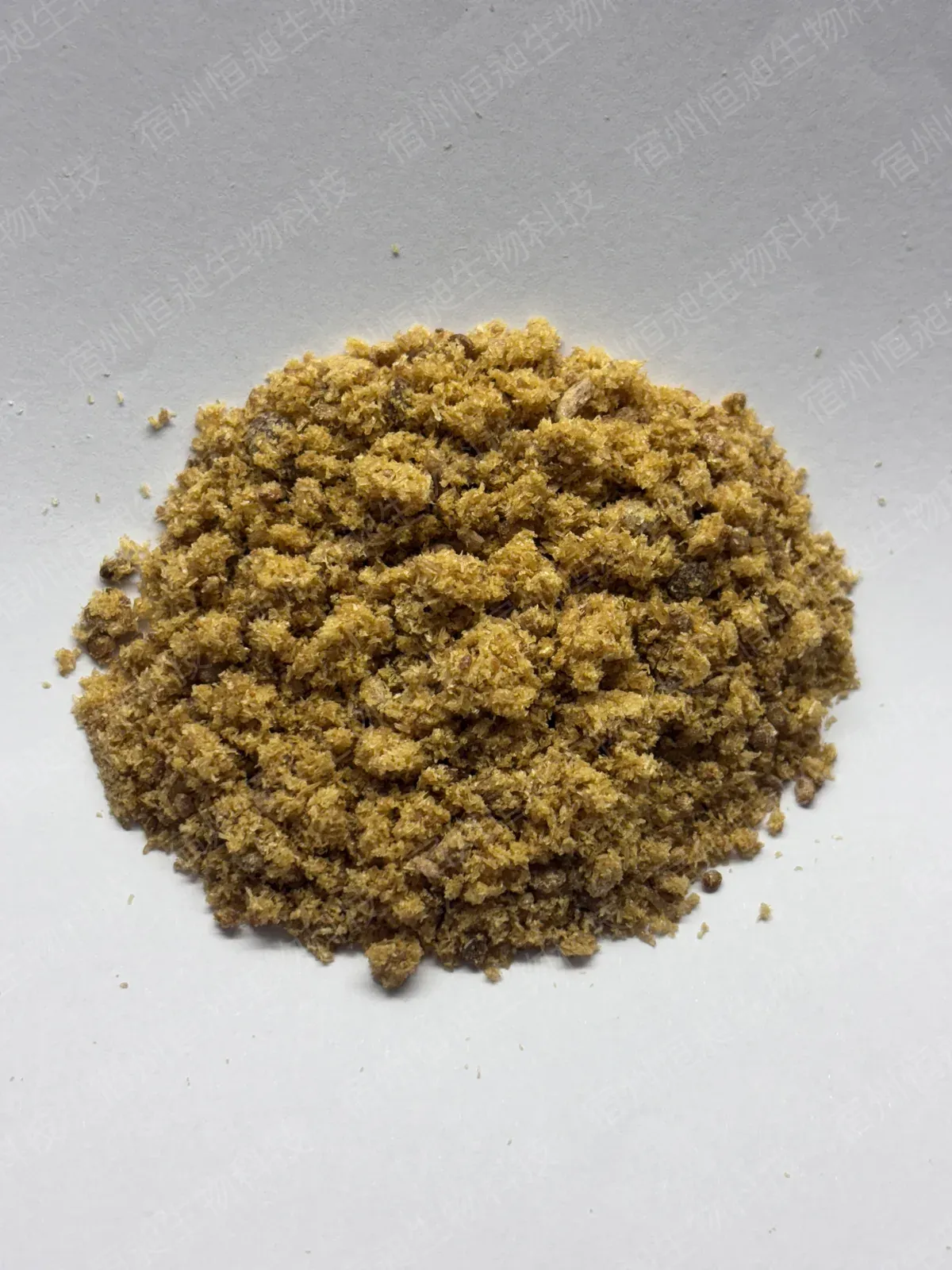
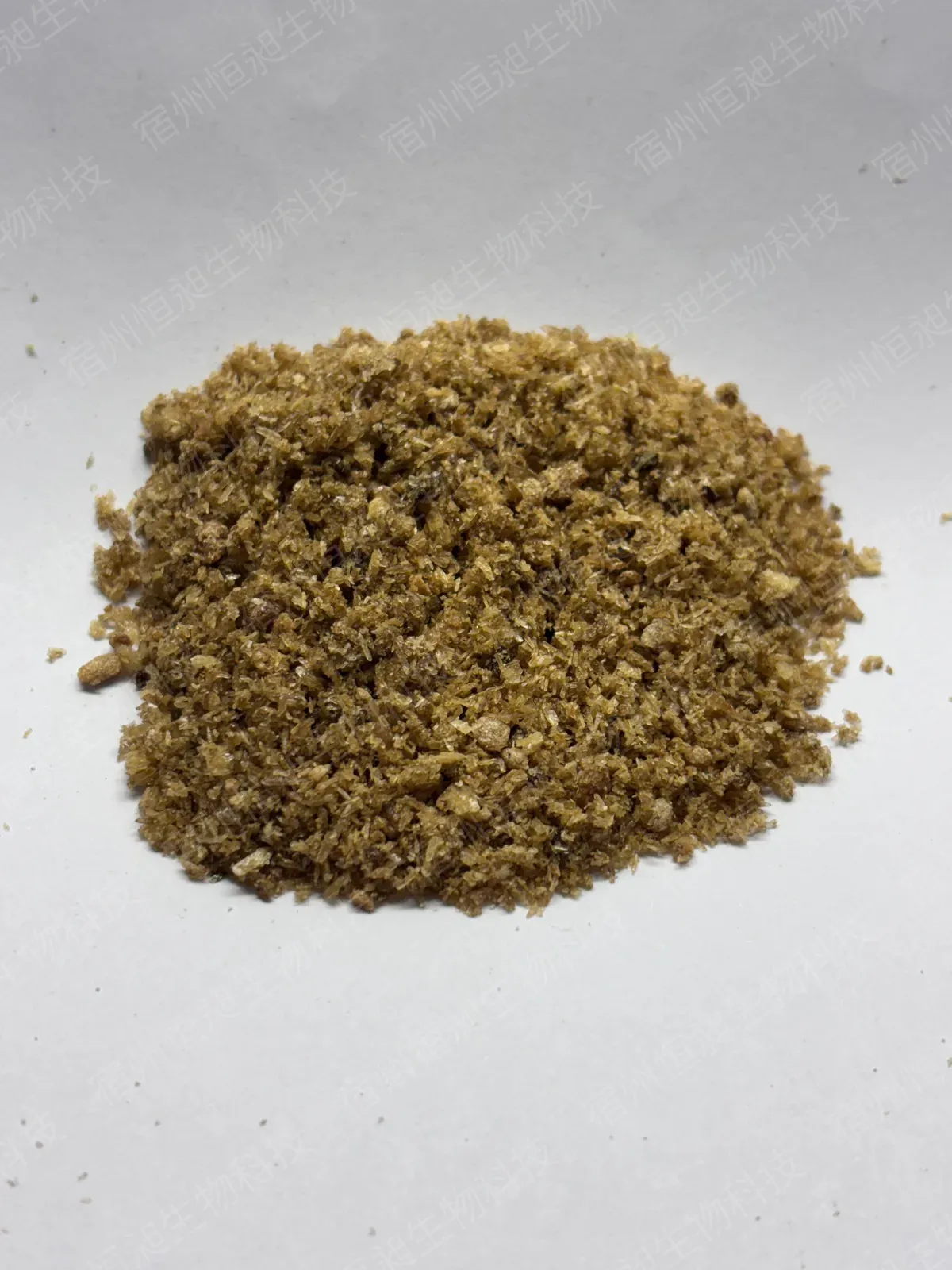
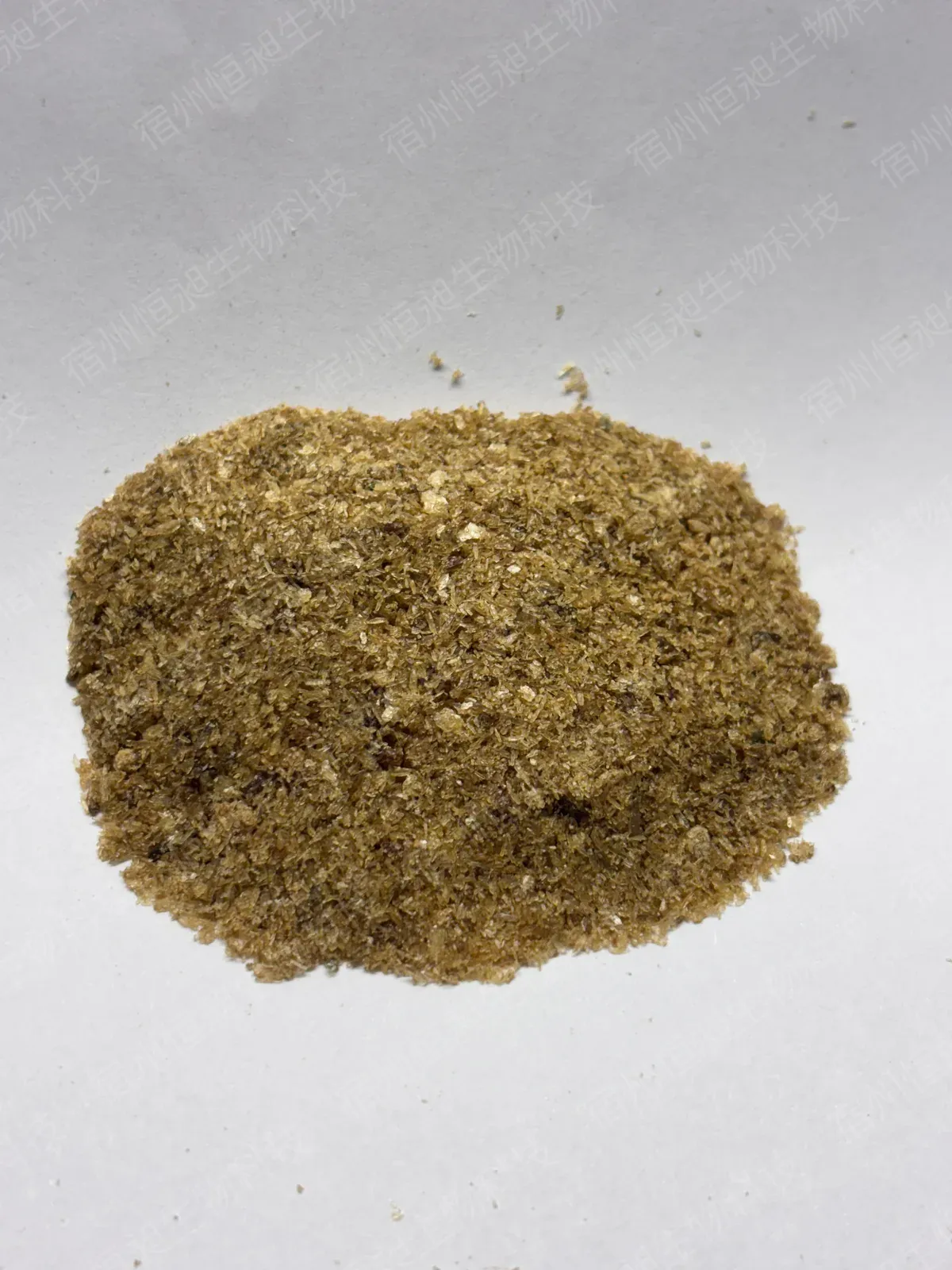
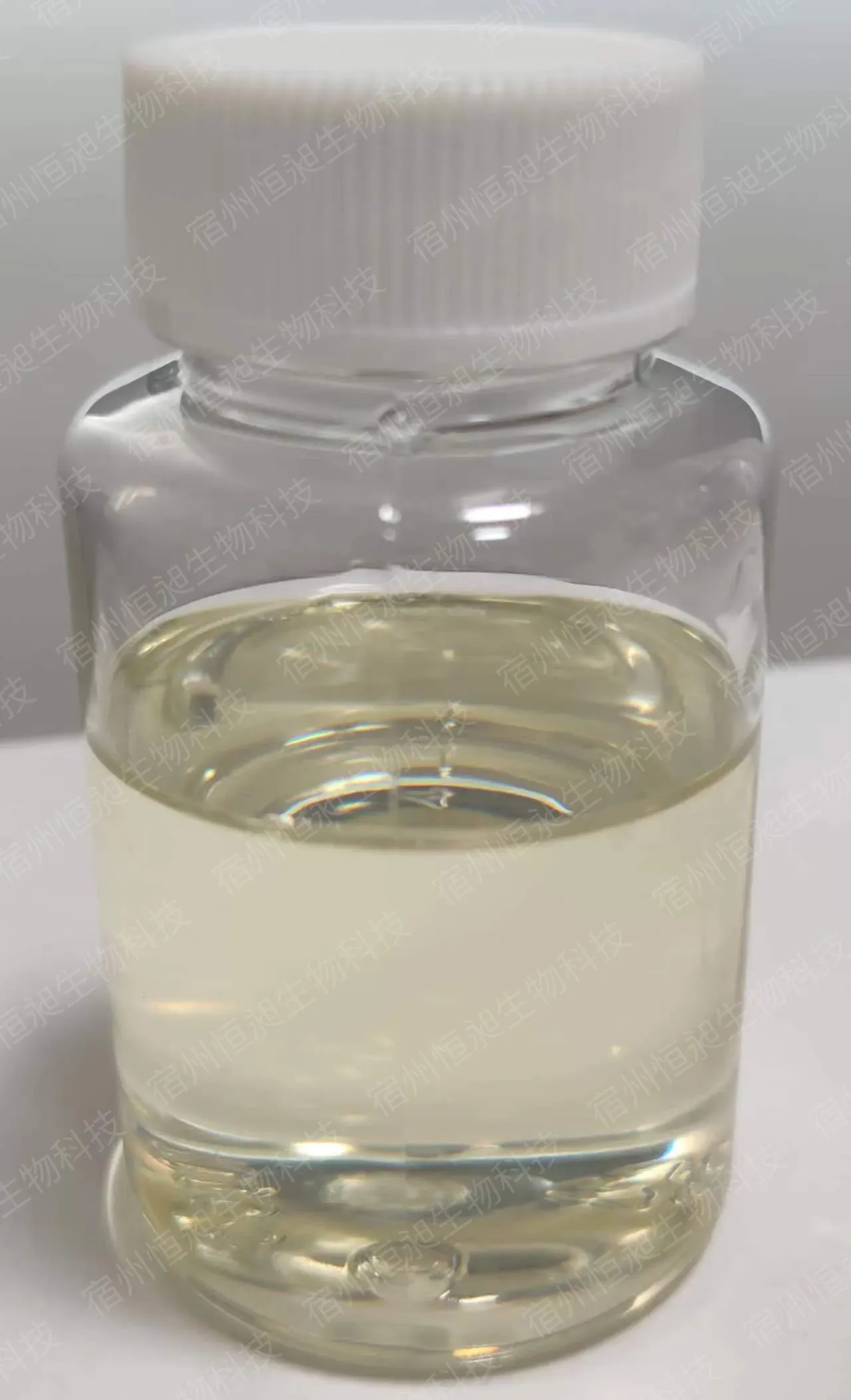
N,N-Dicyanoethylaniline, also known as N,N-bis(2-cyanoethyl)aniline or 3,3'-(phenylimino)dipropionitrile, has molecular formula C12H13N3, molecular weight 199.26 and CAS number 1555-66-4. It appears as a light beige to light yellow solid with an assay (GC) of ≥96.0%, a melting point of 80-88°C, moisture ≤0.5% and residue on ignition ≤0.1% (see specifications). Nitrogen carries two cyanoethyl groups, which can undergo hydrolysis (yielding carboxylic acids), reduction (yielding amines) or cyclization separately or together — one more reaction site than mono-cyanoethyl intermediates such as N-cyanoethylaniline (CAS 1075-76-9) — making it a common raw material for building nitrogen-containing heterocyclic structures. Boiling point (412°C), flash point (189°C) and density (1.105 g/cm³) are likewise covered by the specifications. The product is supplied in 500 kg FIBC packaging for cationic dye, disperse dye and fine chemical synthesis.
Usage

Used in dyes, plastics and fine chemicals as an important intermediate for synthesizing cationic and disperse dyes. The two cyanoethyl groups on the nitrogen atom provide rich reaction sites for hydrolysis (yielding carboxylic acids), reduction (yielding amines) or cyclization, enabling construction of various nitrogen-containing heterocyclic structures. It serves as one of the scaffold intermediates in cationic and basic dye synthesis, and has applications in high-molecular-weight polymers and functional polymer preparation.
Applications

Applications by Industry

Cationic & Basic Dye Scaffold

Serves as one of the scaffold intermediates in cationic and basic dye synthesis; pre-charge verification focuses on figures such as assay (GC ≥96.0%) and melting point (80-88°C) (see specifications), and batch data can be confirmed with our sales team during inquiry. Specific routes follow the customer's process.

Reaction Sites of the Dual Cyanoethyl Groups

The two cyanoethyl groups on nitrogen can undergo hydrolysis (yielding carboxylic acids), reduction (yielding amines) or cyclization separately or together, enabling construction of various nitrogen-containing heterocyclic structures; reaction conditions follow published methods and the customer's process validation.

Plastics & Polymer Materials Direction

In the plastics and fine chemical industries it is used in directions involving polymer materials and functional polymer preparation; this direction operates at the synthesis-route level, subject to the customer's process validation.
Specifications

Technical Specifications

Product Specifications
Appearance Light beige to light yellow solid
Content (GC) % ≥96.0
Melting point °C 80–88
Moisture % ≤0.5
Residue on ignition % ≤0.1
Boiling point °C 412
Flash point °C 189
Density g/cm³ 1.105
Logistics

Packaging, Storage & Transport

Packaging

500 kg FIBC (jumbo bag); custom packaging available upon request. Sample arrangements and order quantities can be discussed during inquiry, and regular batches are produced against the order schedule.

Storage

Store sealed in a cool, dry, well-ventilated place; protect from light and heat

Transport

Transport classification follows the goods transport appraisal report and the carrier's requirements

FAQ

Frequently Asked Questions

What does a second cyanoethyl group add?
The two cyanoethyl groups on nitrogen can take part in hydrolysis (yielding carboxylic acids), reduction (yielding amines) or cyclization separately or together, providing sites for symmetric or stepwise construction of nitrogen-containing heterocycles; reaction conditions follow published methods and the customer's process validation.
How to choose between mono- and di-cyanoethyl intermediates?
N-cyanoethylaniline (CAS 1075-76-9) carries one cyanoethyl group and retains an N-H on nitrogen; this product (CAS 1555-66-4) carries two cyanoethyl groups and no N-H. Select according to the target dye or intermediate structure, and distinguish the two by CAS number in inquiries. The two differ in molecular weight by about 53 (one cyanoethyl group); when verifying incoming goods, it is advisable to also check the molecular formula.
How is the solid handled?
The product appears as a light beige to light yellow solid with a melting point of 80-88°C (see specifications); sampling and charging arrangements under FIBC packaging can be confirmed with our sales team.
What are the assay and impurity specifications?
Assay (GC) ≥96.0%, moisture ≤0.5%, residue on ignition ≤0.1% (see specifications); production and release inspection follow the specifications on this page, and batch data is confirmed with our sales team during inquiry.
What packaging and order quantities are available?
Standard packaging is a 500 kg FIBC (jumbo bag), and custom packaging is available. Sample arrangements and order quantities can be discussed during inquiry; regular batches are produced against the order schedule.
What are the storage and transport requirements?
Store sealed in a cool, dry, well-ventilated place away from light and heat; transport classification follows the goods transport appraisal report and the carrier's requirements, with packaging kept intact.