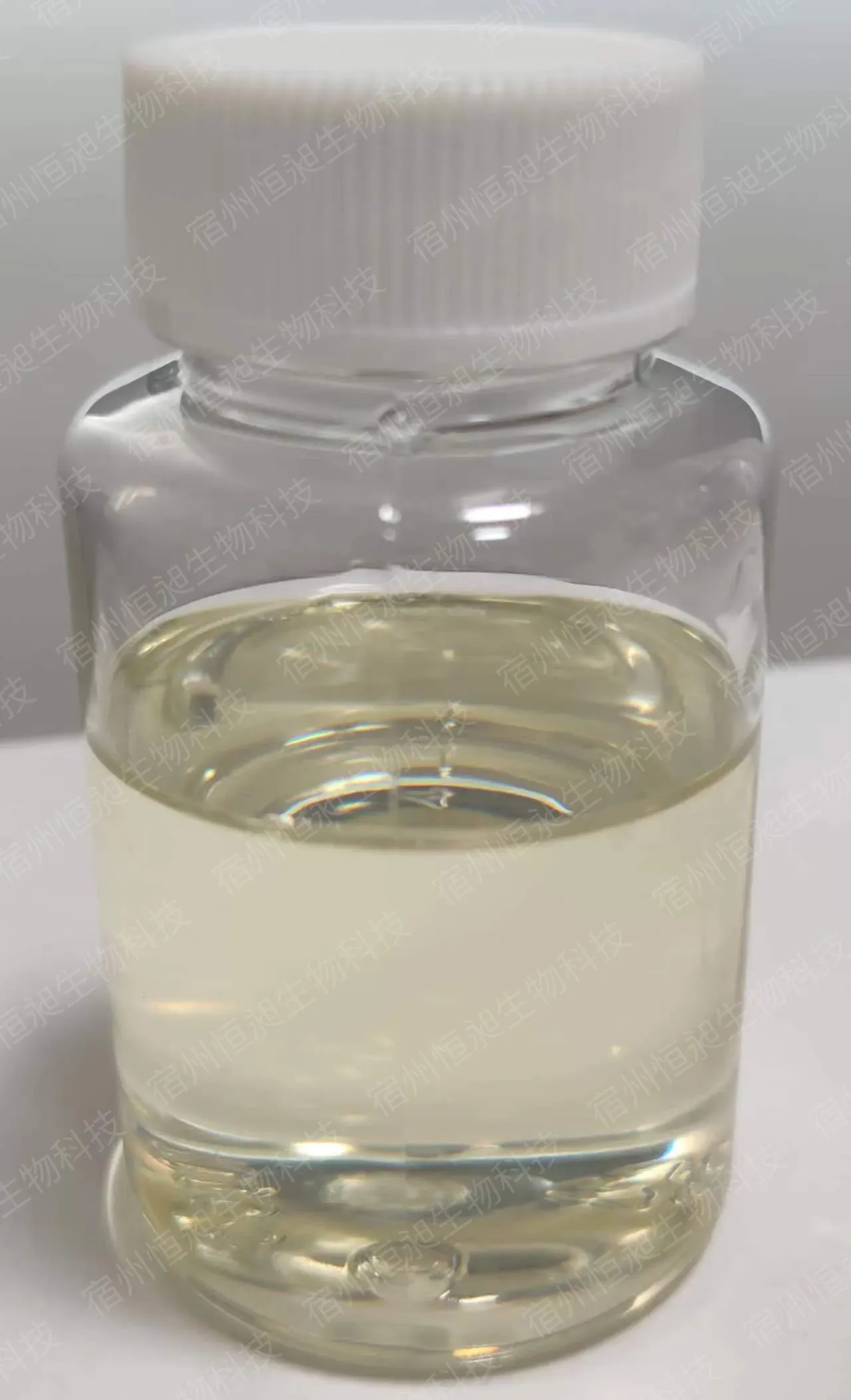
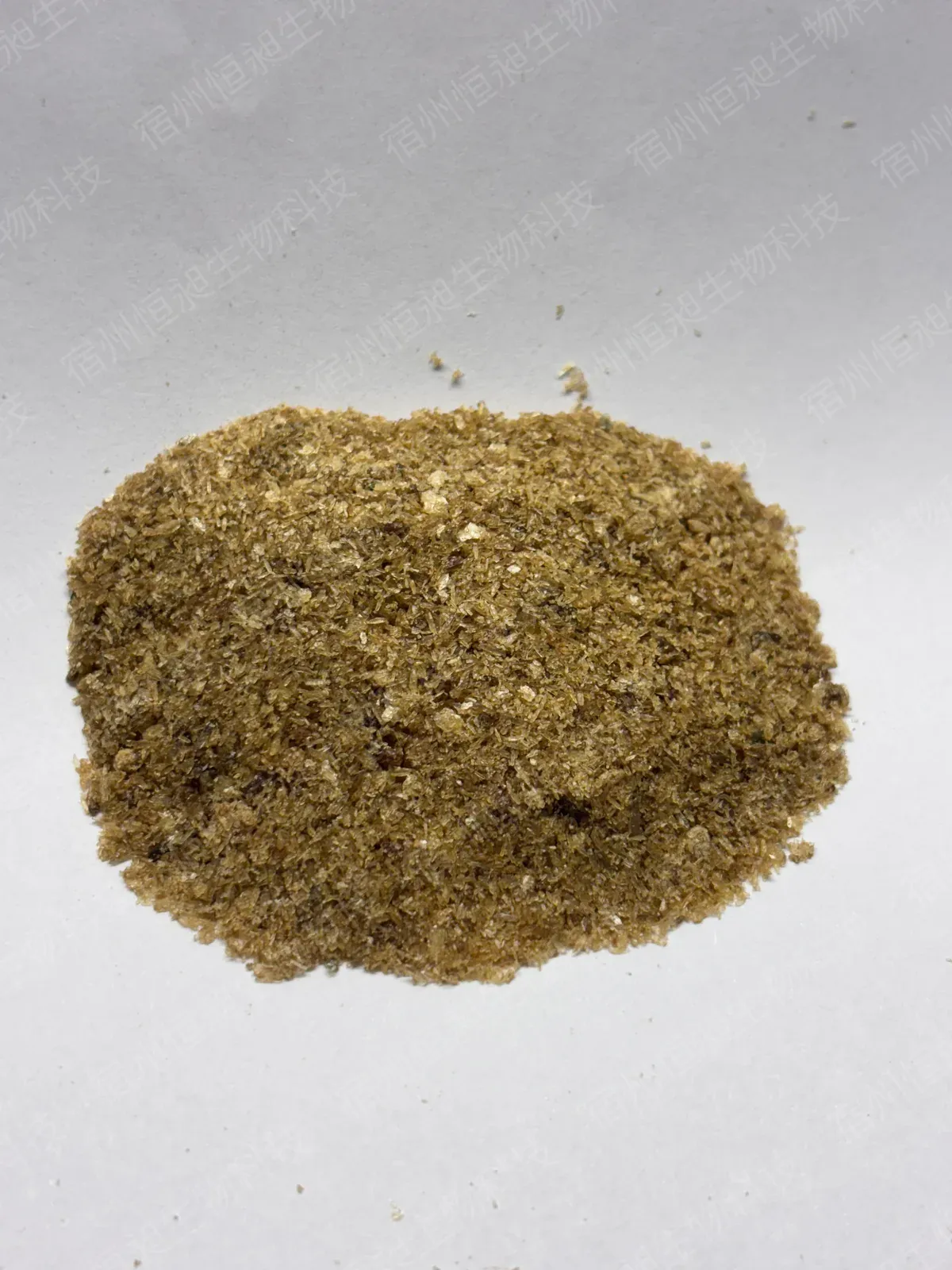
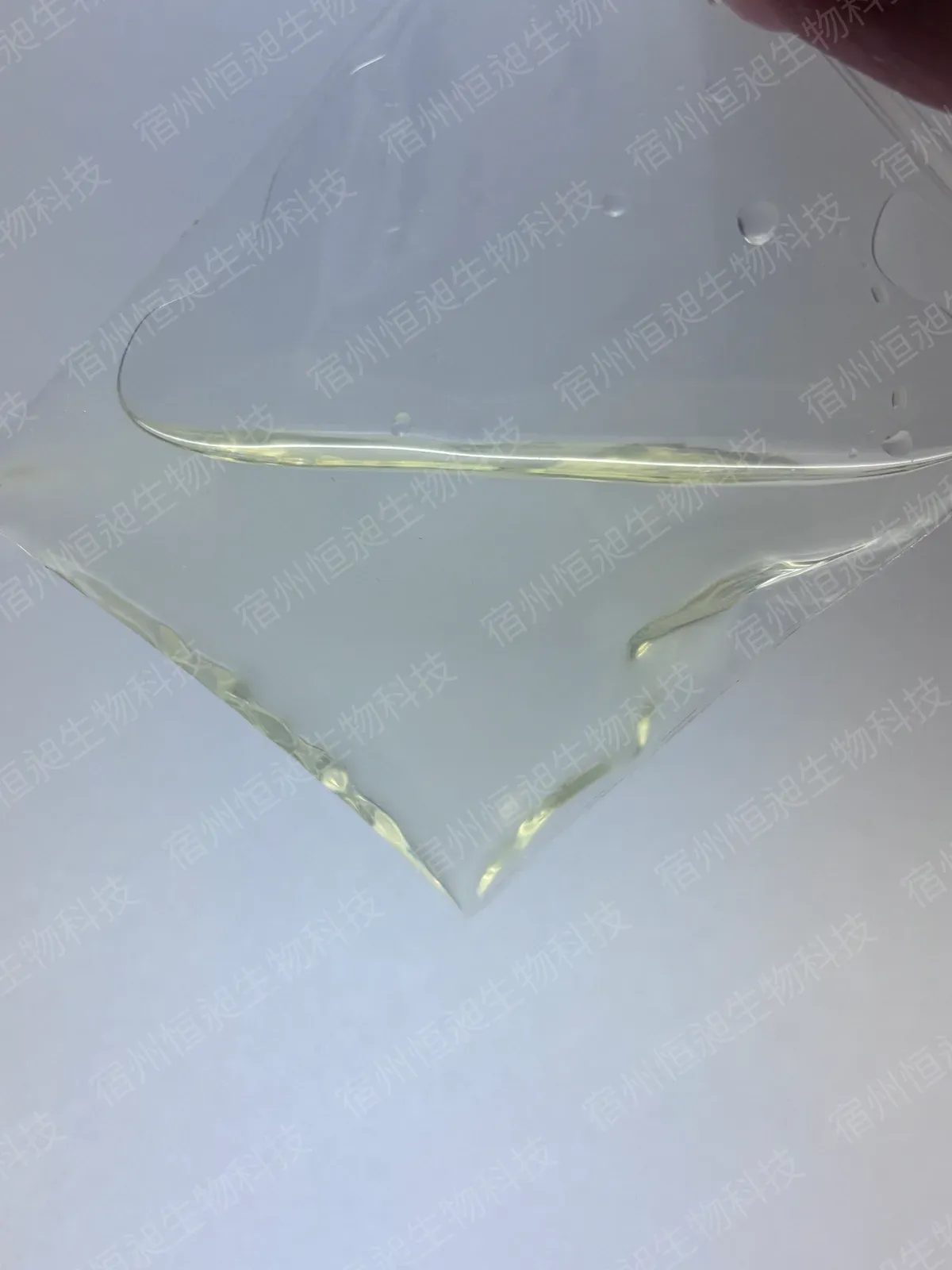
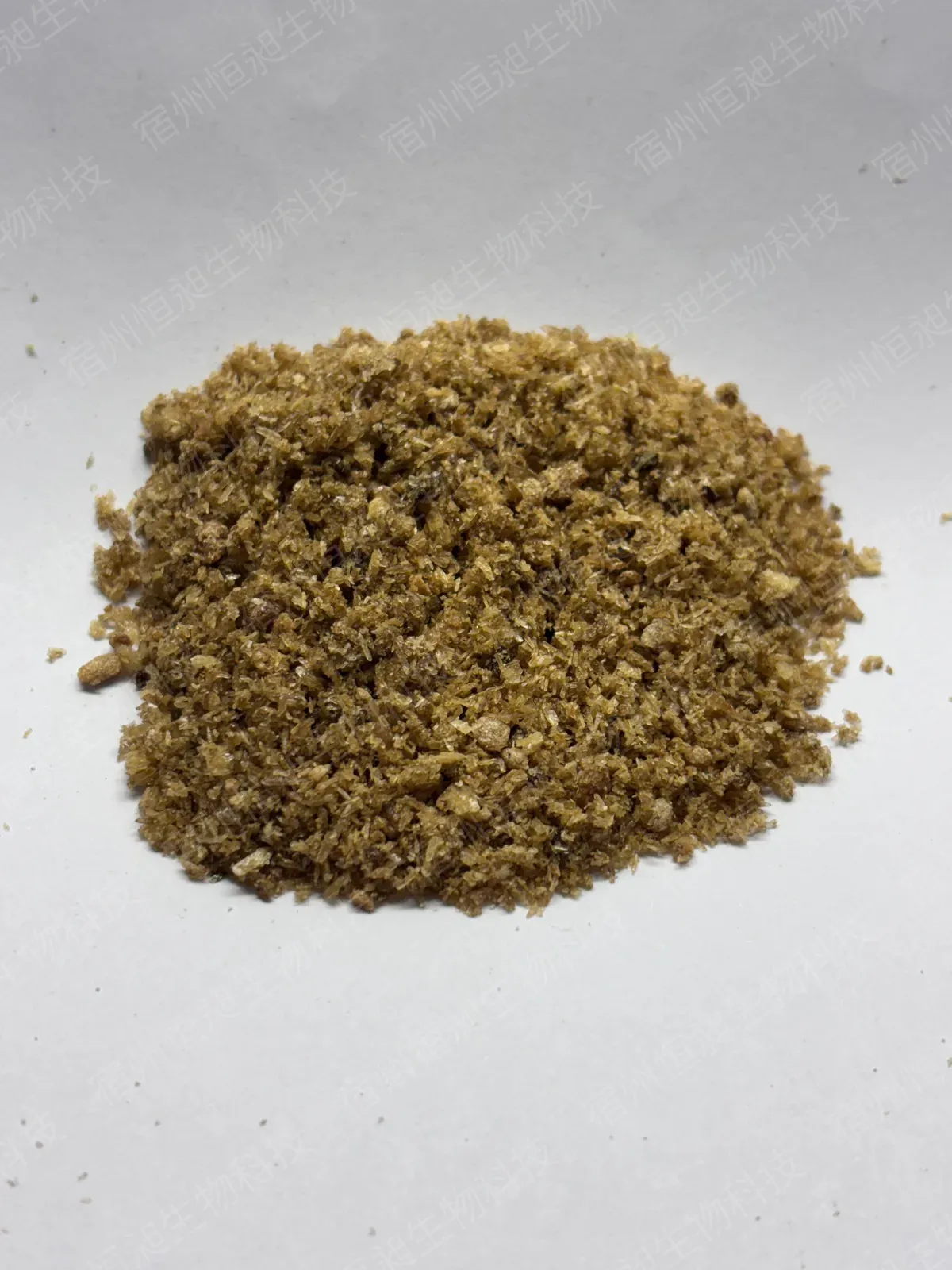
What roles do the ethyl and cyanoethyl groups play?
The ethyl group on nitrogen provides basicity, while the cyanoethyl group retains reactivity for subsequent steps; together they serve to modulate dye polarity, shade and dyeing performance. Proportions and process conditions follow the customer's validation.
What does a pKa of 4.77-5.77 indicate?
The pKa is listed as 4.77-5.77 in the specifications, as a reference point for reaction-system design; behavior in application follows the customer's process validation.
Which impurity items are controlled?
N-ethylaniline ≤1.0%, N,N-diethylaniline ≤1.0%, N-ethylacetanilide ≤1.0% and moisture ≤0.3% (see specifications); production and release inspection follow the specifications on this page, and batch data is confirmed with our sales team during inquiry.
Which downstream dye shades are typical?
Used mainly as a coupling component for orange, red and blue disperse dyes, also in the cationic dye direction; shade and variety correspondence follow the customer's synthesis routes.
What packaging and order quantities are available?
Standard packaging is a 200 kg iron or plastic drum, and custom packaging is available. Sample arrangements and order quantities can be discussed during inquiry; regular batches are produced against the order schedule.
What are the storage, transport and identification notes?
Store sealed in a cool, dry, well-ventilated place away from heat, sparks and open flames, avoiding direct sunlight; transport classification follows the goods transport appraisal report and the carrier's requirements. Quoting CAS number 148-87-8 in inquiries avoids confusion with similarly named substances such as N-cyanoethylaniline (CAS 1075-76-9).