Skip to content
HC Technology
N-Ethyl-N-cyanoethyl-m-toluidine
Categories:
Colorants & Intermediates

N-Ethyl-N-cyanoethyl-m-toluidine

Alias
NECT / N-Ethyl-N-(2-cyanoethyl)-3-methylaniline / 3-[Ethyl(3-methylphenyl)amino]propanenitrile / N-(2-Cyanoethyl)-N-ethyl-m-toluidine
CAS No.
Molecular Formula
C12H16N2
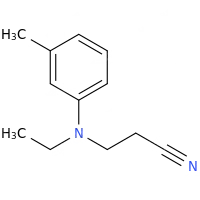
Structure
N-Ethyl-N-cyanoethyl-m-toluidine Chemical Structure
Product Details

Product Overview

Product Summary

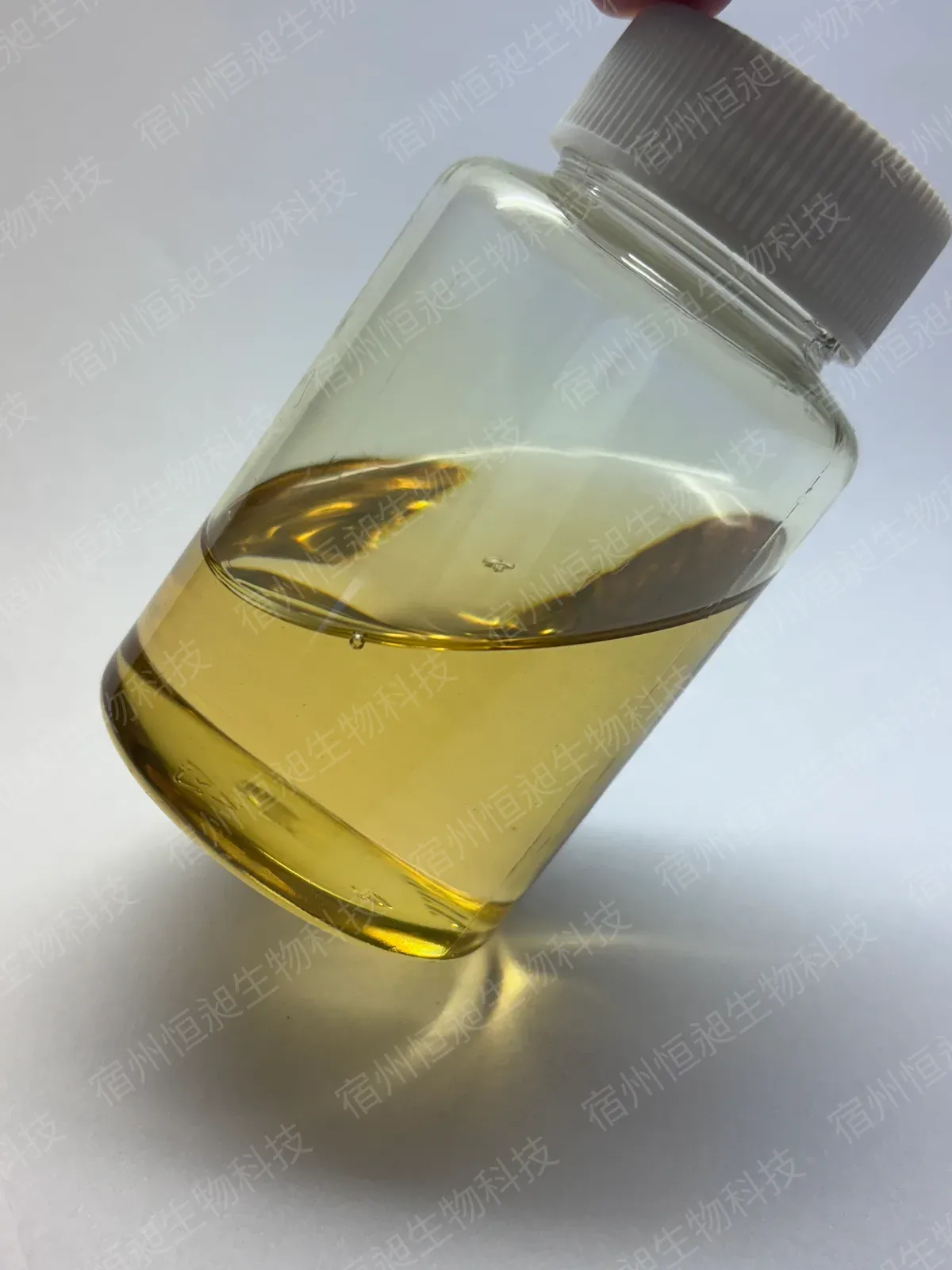
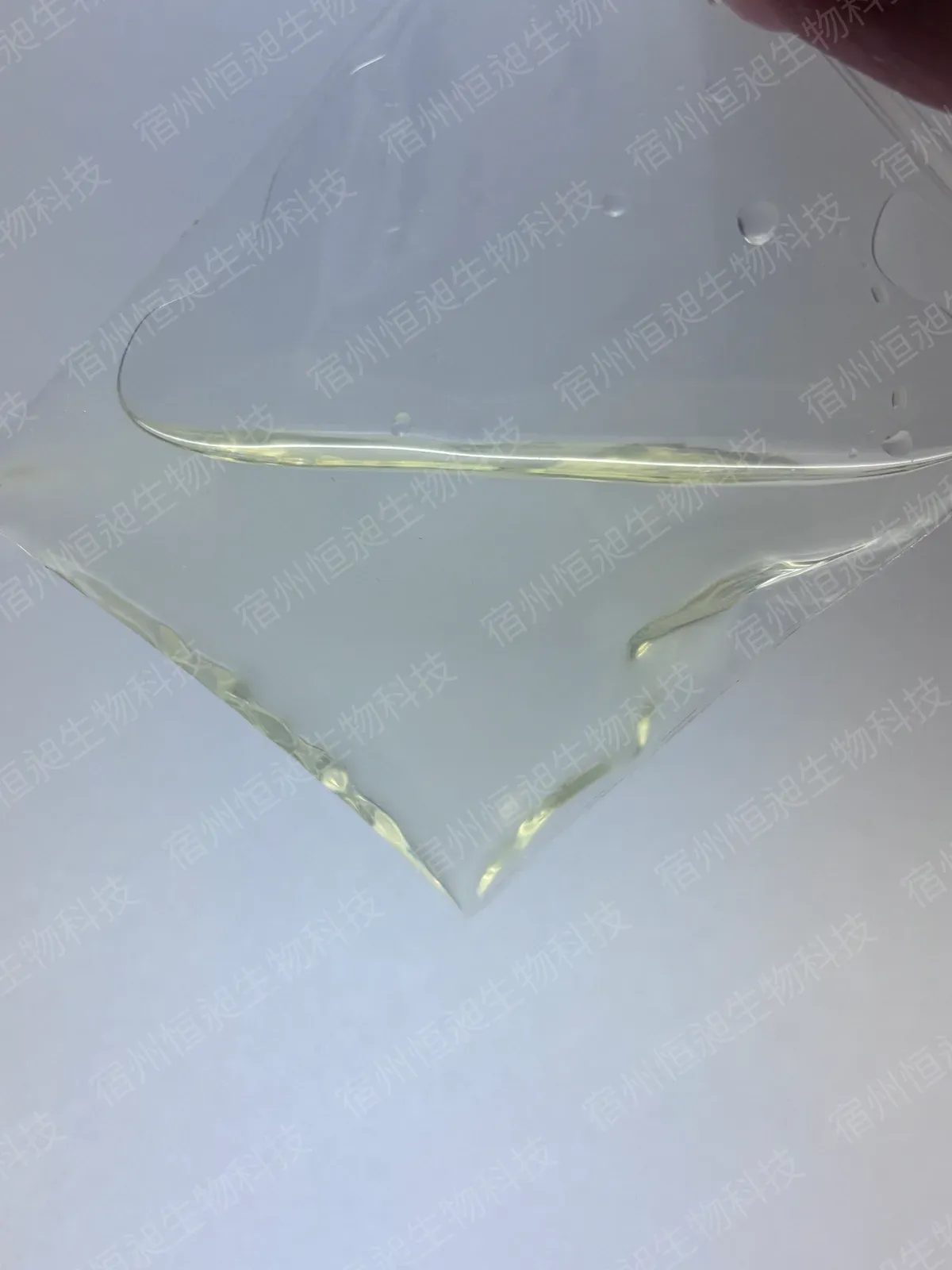
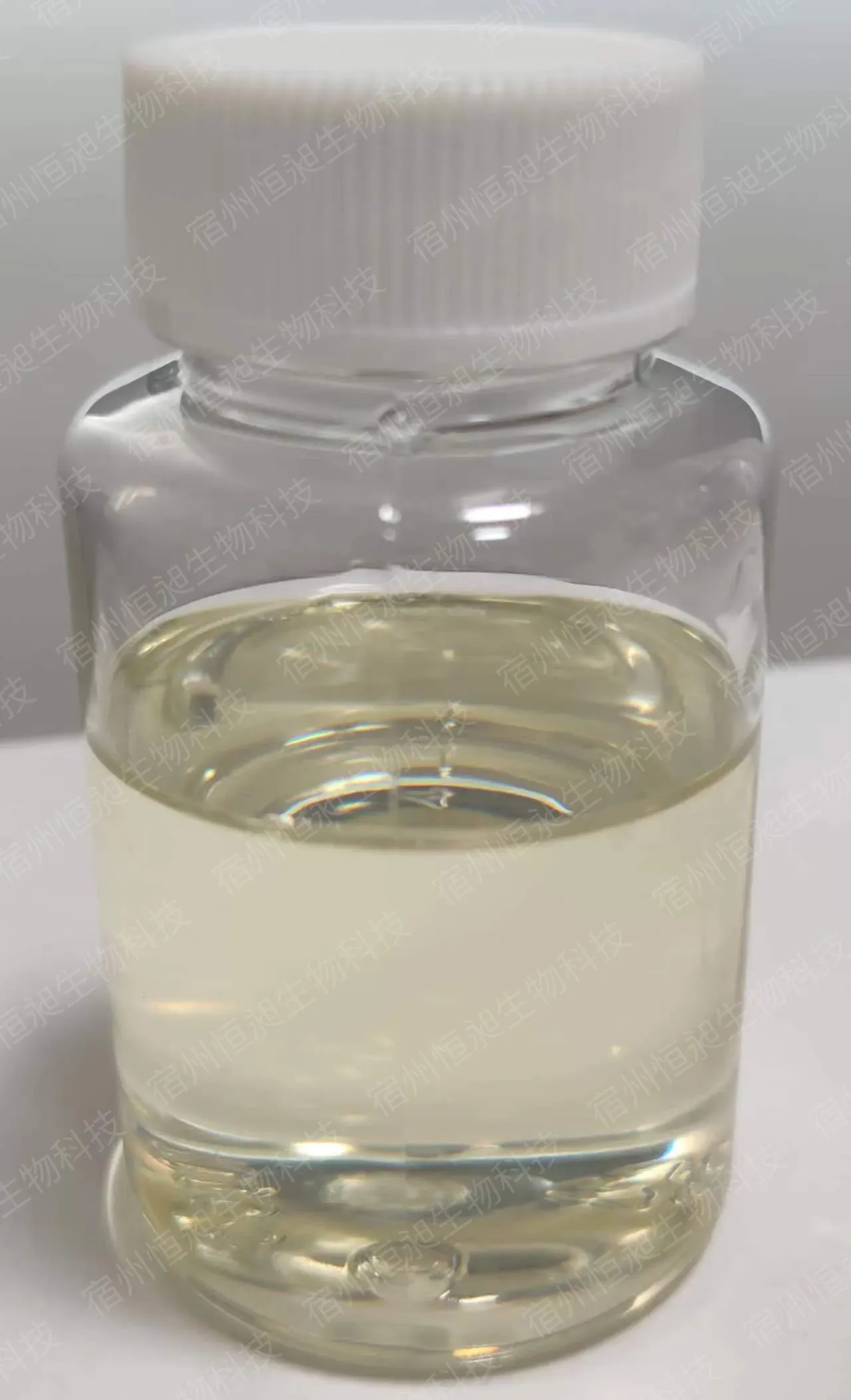
N-Ethyl-N-cyanoethyl-m-toluidine has molecular formula C12H16N2, molecular weight 188.27 and CAS number 148-69-6. It is a light yellow to brown transparent liquid at room temperature with an assay (GC) of ≥98.0%, a boiling point of 312.8-362.8°C, a refractive index of 1.5470 and a pKa of 4.92-5.92 (see specifications). Compared with N-ethyl-N-cyanoethylaniline (CAS 148-87-8, molecular formula C11H14N2), this product carries one additional methyl group at the 3-position of the ring: the electron-donating effect of the methyl group acts on the conjugated system and shifts the dye shade toward red (finished-dye performance is subject to testing of the finished dye). The product is used mainly as a coupling component for orange and red disperse dyes for polyester fiber dyeing.
Usage

Used in dyes and fine chemicals as an important intermediate for synthesizing disperse dyes. Compared with N-ethyl-N-cyanoethylaniline, the methyl substituent on the m-toluidine scaffold serves to modulate dye shade and dyeing performance (finished-dye performance is subject to testing of the finished dye). Used primarily as a coupling component for orange and red disperse dye varieties for polyester fiber dyeing. The electron-donating effect of the methyl group acts on the conjugated system, shifting the dye shade toward red (finished-dye performance is subject to testing of the finished dye).
Applications

Applications by Industry

Orange & Red Disperse Dyes for Polyester

Used mainly as a coupling component for orange and red disperse dyes for polyester fiber dyeing; figures such as assay (GC ≥98.0%) and impurities N-ethyl-m-toluidine (≤1.0%) and N,N-diethyl-m-toluidine (≤0.5%) are listed under specifications for item-by-item review before charging. Specific routes follow the customer's process.

Shade Modulation via the m-Toluidine Scaffold

The electron-donating effect of the methyl group acts on the conjugated system and shifts the dye shade toward red; shade orientation depends on the specific dye structure and process, with finished-dye performance subject to testing of the finished dye.

Selection Versus the Unsubstituted Intermediate

Compared with N-ethyl-N-cyanoethylaniline (CAS 148-87-8), this product carries one additional 3-position methyl group, used to modulate dye shade and dyeing performance; the two are selected according to the target dye structure, and batch data can be confirmed with our sales team during inquiry.
Specifications

Technical Specifications

Product Specifications
Appearance Light yellow to brown transparent liquid
Content (GC) % ≥98.0
N-Ethyl-m-toluidine % ≤1.0
N,N-Diethyl-m-toluidine % ≤0.5
Moisture % ≤0.3
Boiling point °C 312.8–362.8
Density g/cm³ 0.948–1.068
Refractive index 1.5470
Acidity coefficient (pKa) 4.92–5.92
Logistics

Packaging, Storage & Transport

Packaging

200 kg iron or plastic drum; custom packaging available upon request. Sample arrangements and order quantities can be discussed during inquiry, and regular batches are produced against the order schedule.

Storage

Store sealed in a cool, dry, well-ventilated place away from heat, sparks and open flames; avoid direct sunlight

Transport

Transport classification follows the goods transport appraisal report and the carrier's requirements

FAQ

Frequently Asked Questions

How does it differ from N-ethyl-N-cyanoethylaniline?
Both are coupling components for disperse dyes; the difference is one additional methyl group at the 3-position of the ring in this product (CAS 148-69-6). The electron-donating effect of the methyl group shifts the dye shade toward red (finished-dye performance is subject to testing of the finished dye). Distinguish the two by CAS number in inquiries.
Why is the shade shifted toward red?
The electron-donating effect of the methyl group on the m-toluidine scaffold acts on the conjugated system and shifts the dye shade toward red; the specific shade is subject to testing of the finished dye.
Some figures are ranges (e.g. density 0.948-1.068) — how are they checked?
Some items in the specifications are given as ranges; production and release inspection follow the specifications on this page, and batch-specific figures can be reviewed item by item with our sales team before charging.
What is the main downstream?
Used mainly as a coupling component for orange and red disperse dyes for polyester fiber dyeing; the correspondence to varieties follows the customer's synthesis routes.
What packaging and order quantities are available?
Standard packaging is a 200 kg iron or plastic drum, and custom packaging is available. Sample arrangements and order quantities can be discussed during inquiry; regular batches are produced against the order schedule.
What are the storage and transport requirements?
Store sealed in a cool, dry, well-ventilated place away from heat, sparks and open flames, avoiding direct sunlight; transport classification follows the goods transport appraisal report and the carrier's requirements.