
Skip to content
HC Technology
N-Cyanoethyl-N-benzylaniline
Categories:
Colorants & Intermediates

N-Cyanoethyl-N-benzylaniline

Alias
N-(2-Cyanoethyl)-N-benzylaniline / 3-[Phenyl(benzyl)amino]propanenitrile / 3-[Benzyl(phenyl)amino]propanenitrile
CAS No.
Molecular Formula
C16H16N2
Structure
N-Cyanoethyl-N-benzylaniline Chemical Structure
Product Details

Product Overview

Product Summary

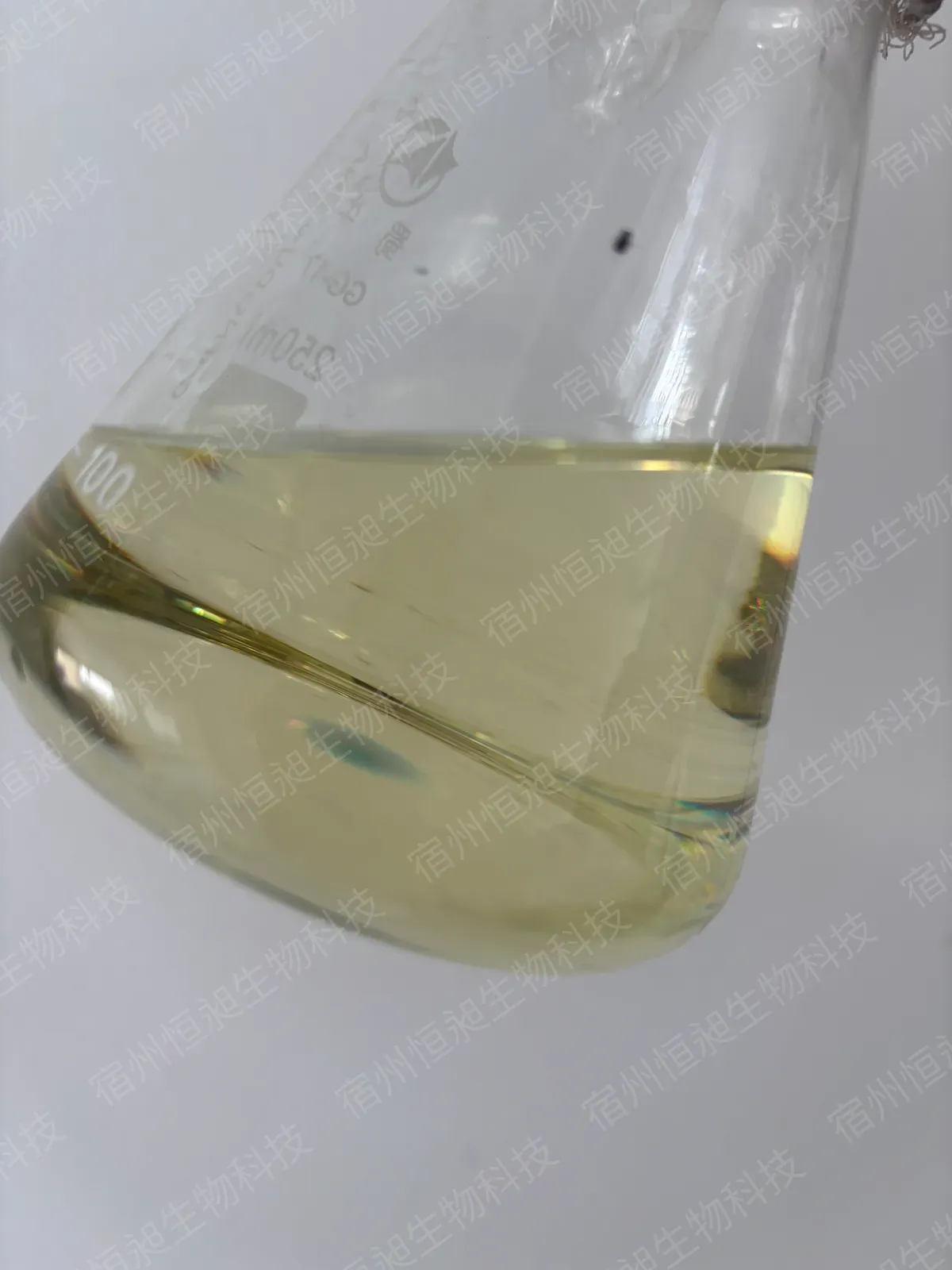
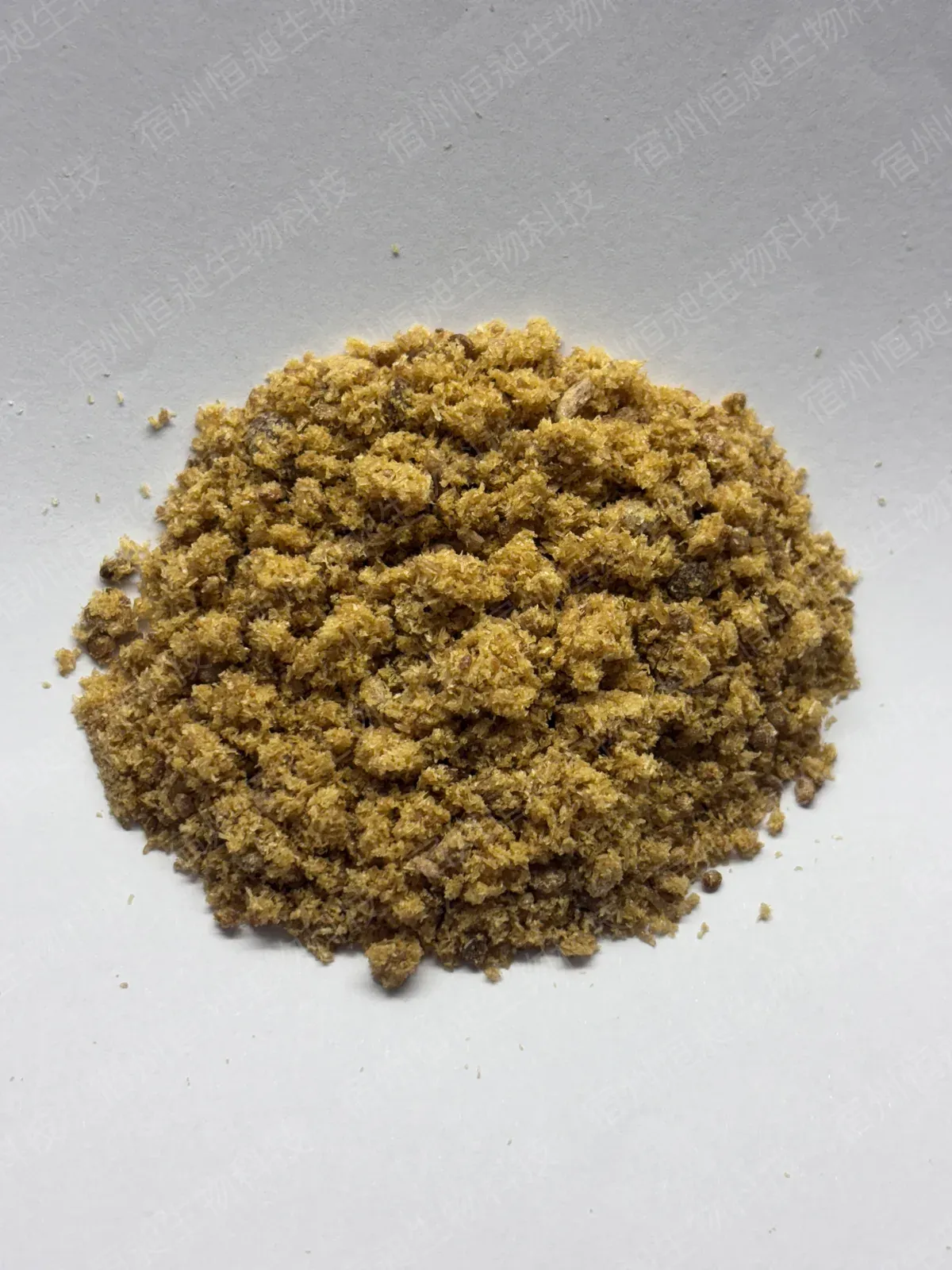
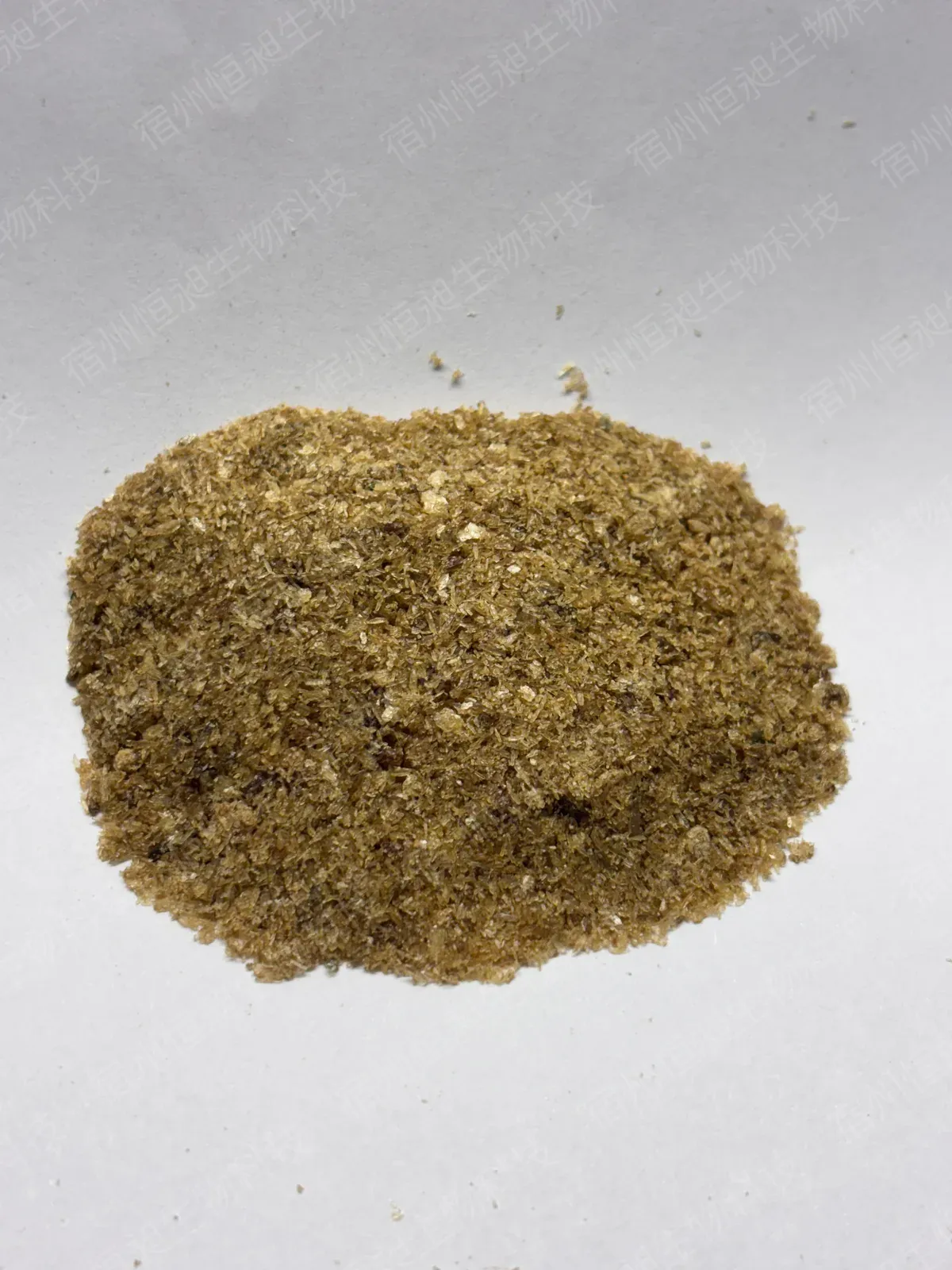
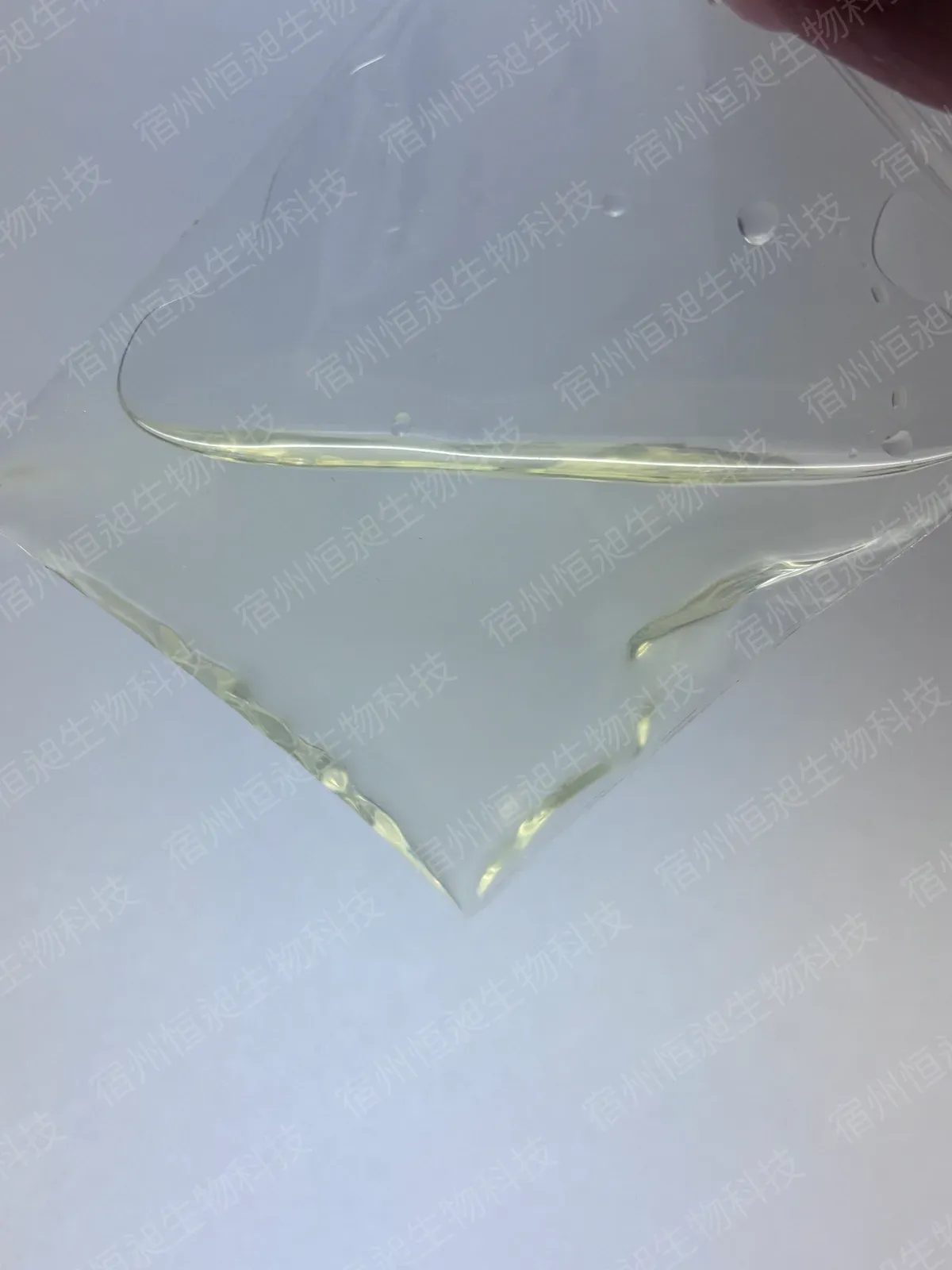
N-Cyanoethyl-N-benzylaniline has molecular formula C16H16N2, molecular weight 236.31 and CAS number 26322-20-3. It appears as light yellow crystals with an assay (GC) of ≥94%, a melting point of 102-103°C and a solid content of ≥85% (see specifications). Nitrogen carries both a benzyl and a cyanoethyl group: the benzyl group provides steric hindrance and hydrophobicity, while the cyanoethyl group retains reactivity for subsequent steps — a combination that makes this product a coupling component for azo disperse dyes, used in varieties such as Disperse Orange 73 and Disperse Orange 288 (prepared by diazotization of p-nitroaniline followed by coupling with this intermediate; variety correspondence follows the customer's synthesis route). Impurities are controlled separately as mono-cyano (≤3.5%) and di-benzyl (≤2%) (see specifications) and can be reviewed before charging.
Usage

Used in dyes and fine chemicals as an important coupling component for synthesizing disperse dyes. The benzyl group on nitrogen provides significant steric hindrance and hydrophobicity, while the cyanoethyl group offers subsequent reactivity. Used primarily for synthesizing disperse dye varieties such as Disperse Orange 73 and Disperse Orange 288 (prepared by diazotization of p-nitroaniline followed by coupling with this intermediate). This intermediate is common in azo disperse dye structures and is used in the industry for high-temperature high-pressure and thermosol dyeing of polyester fibers; the fastness performance of dyes of this structure is subject to the finished dye's test data.
Applications

Applications by Industry

Azo Disperse Dyes Such as Disperse Orange 73 and Disperse Orange 288

Used mainly in azo disperse dye synthesis as a coupling component that couples with diazonium salts to build the dye molecule; varieties such as Disperse Orange 73 and Disperse Orange 288 are prepared by diazotization of p-nitroaniline followed by coupling with this intermediate; variety correspondence follows the customer's synthesis route. Specification review and batch data for the coupling component can be confirmed with our sales team during inquiry, and specific routes follow the customer's process.

Benzyl Group as a Dye Structure Modifier

The benzyl group on nitrogen provides substantial steric hindrance and hydrophobicity, a common substitution approach in disperse dye molecular design; the performance of dyes in this structural direction is subject to testing data of the finished dye.

Polyester Fiber Dyeing Processes

Azo disperse dyes synthesized with this family of intermediates are used in the industry for high-temperature high-pressure and thermosol dyeing of polyester fibers; dyeing formulations and process conditions follow the finished dye's instructions and validation in the customer's own system.
Specifications

Technical Specifications

Product Specifications
Appearance Light yellow crystals
Content (GC) % ≥94
Mono-cyano % ≤3.5
Di-benzyl % ≤2
Solid content % ≥85
Melting point °C 102–103
Boiling point °C 381–457
Density g/cm³ 1.041–1.161
Logistics

Packaging, Storage & Transport

Packaging

500 kg FIBC (jumbo bag); custom packaging available upon request. Sample arrangements and order quantities can be discussed during inquiry, and regular batches are produced against the order schedule.

Storage

Store sealed in a cool, dry, well-ventilated place away from heat, sparks and open flames; avoid direct sunlight

Transport

Transport classification follows the goods transport appraisal report and the carrier's requirements

FAQ

Frequently Asked Questions

What do the mono-cyano and di-benzyl impurity figures mean?
Mono-cyano (≤3.5%) refers to the mono-cyanoethylated by-product and di-benzyl (≤2%) to the di-benzylated by-product; both are controlled separately in the specifications on this page. Processes sensitive to impurities can request batch data and review it item by item with our sales team.
What does a solid content of ≥85% mean?
Solid content reflects the proportion of the target solid component in the product (≥85%, see specifications) and, together with the mono-cyano and di-benzyl figures, forms the acceptance basis; test methods and batch data can be discussed during inquiry.
What is the synthesis path to Disperse Orange 73 and Disperse Orange 288?
Varieties such as Disperse Orange 73 and Disperse Orange 288 are prepared by diazotization of p-nitroaniline followed by coupling with this intermediate; coupling conditions and proportions follow the customer's process and published methods, and variety correspondence follows the customer's synthesis route.
What is the appearance and melting point?
Light yellow crystals with a melting point of 102-103°C (see specifications); production and release inspection follow the specifications on this page, and batch data is confirmed with our sales team during inquiry.
What packaging and order quantities are available?
Standard packaging is a 500 kg FIBC (jumbo bag), and custom packaging is available. Sample arrangements and order quantities can be discussed during inquiry; regular batches are produced against the order schedule.
What are the storage, transport and identification notes?
Store sealed in a cool, dry, well-ventilated place away from heat, sparks and open flames, avoiding direct sunlight; transport classification follows the goods transport appraisal report and the carrier's requirements. Quoting CAS number 26322-20-3 in inquiries avoids confusion with similarly named substances such as N-cyanoethylaniline (CAS 1075-76-9).