Which acid dye varieties can it synthesize?
Varieties include Acid Orange 50, Acid Red 119, Acid Blue 5, Acid Blue 7, Acid Green 5, Acid Green 15 and Acid Green 65, as well as Cationic Blue 65; the correspondence follows the customer's synthesis routes.
What should be noted with a melting point of 34-36°C?
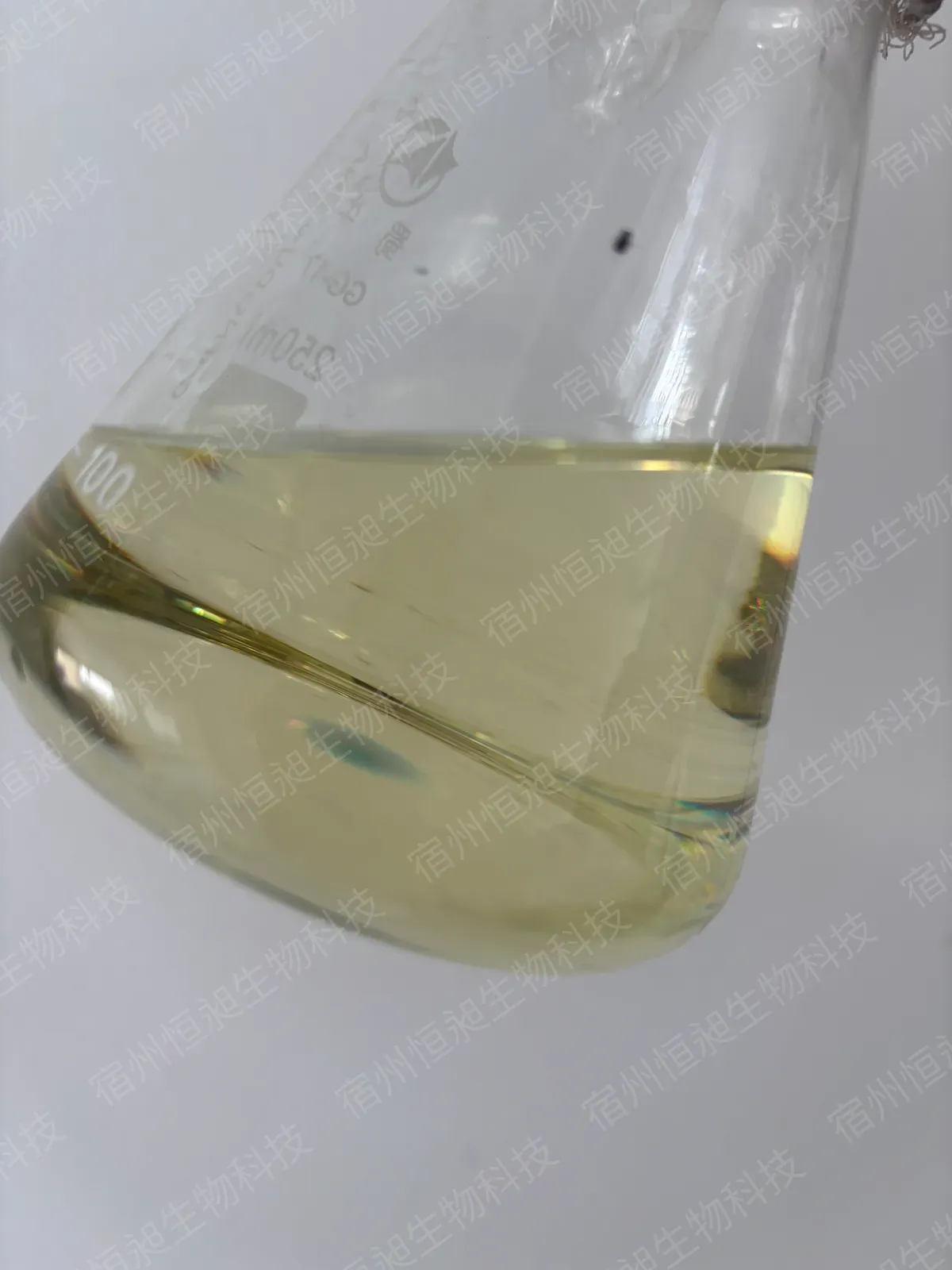
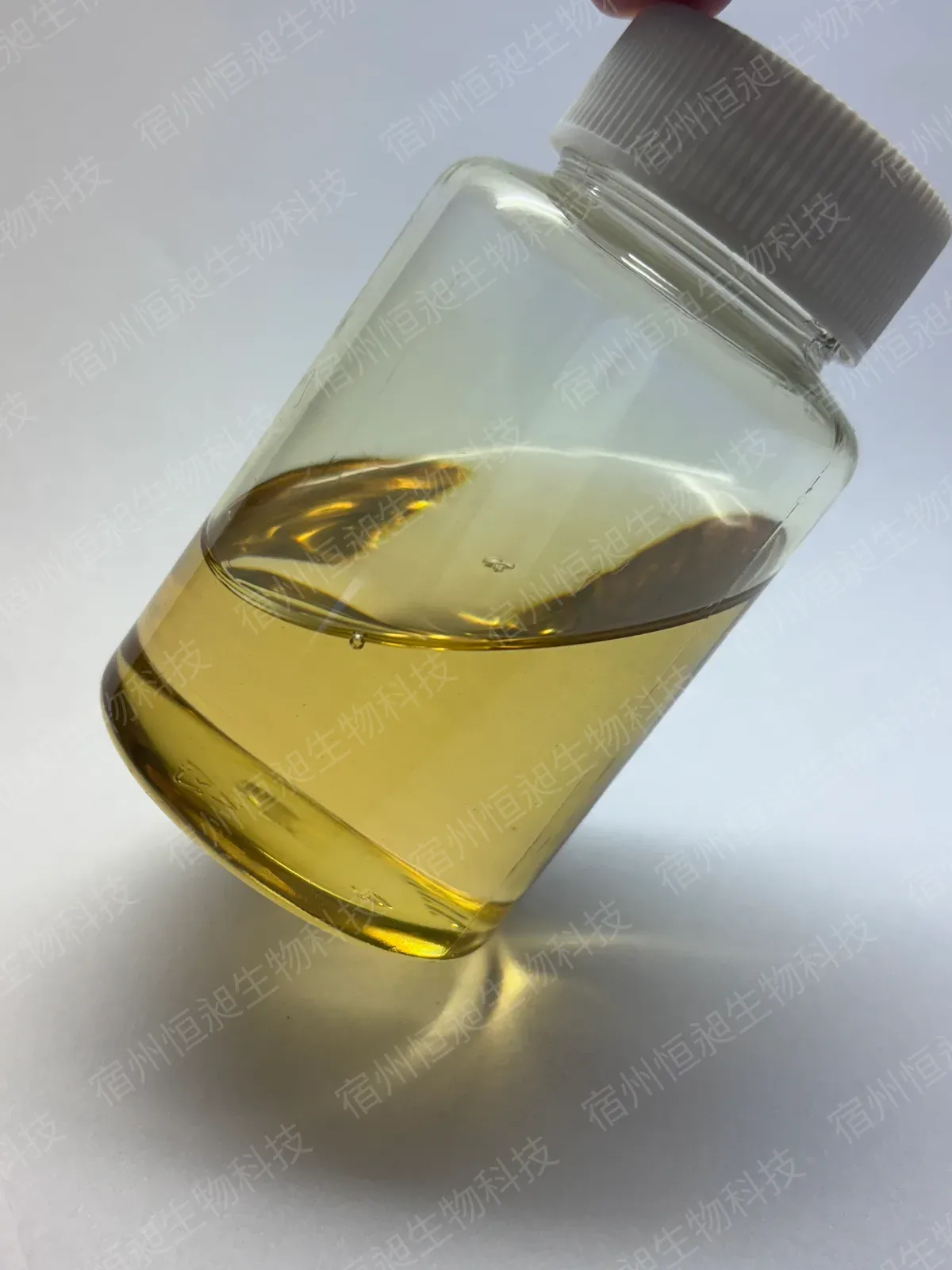
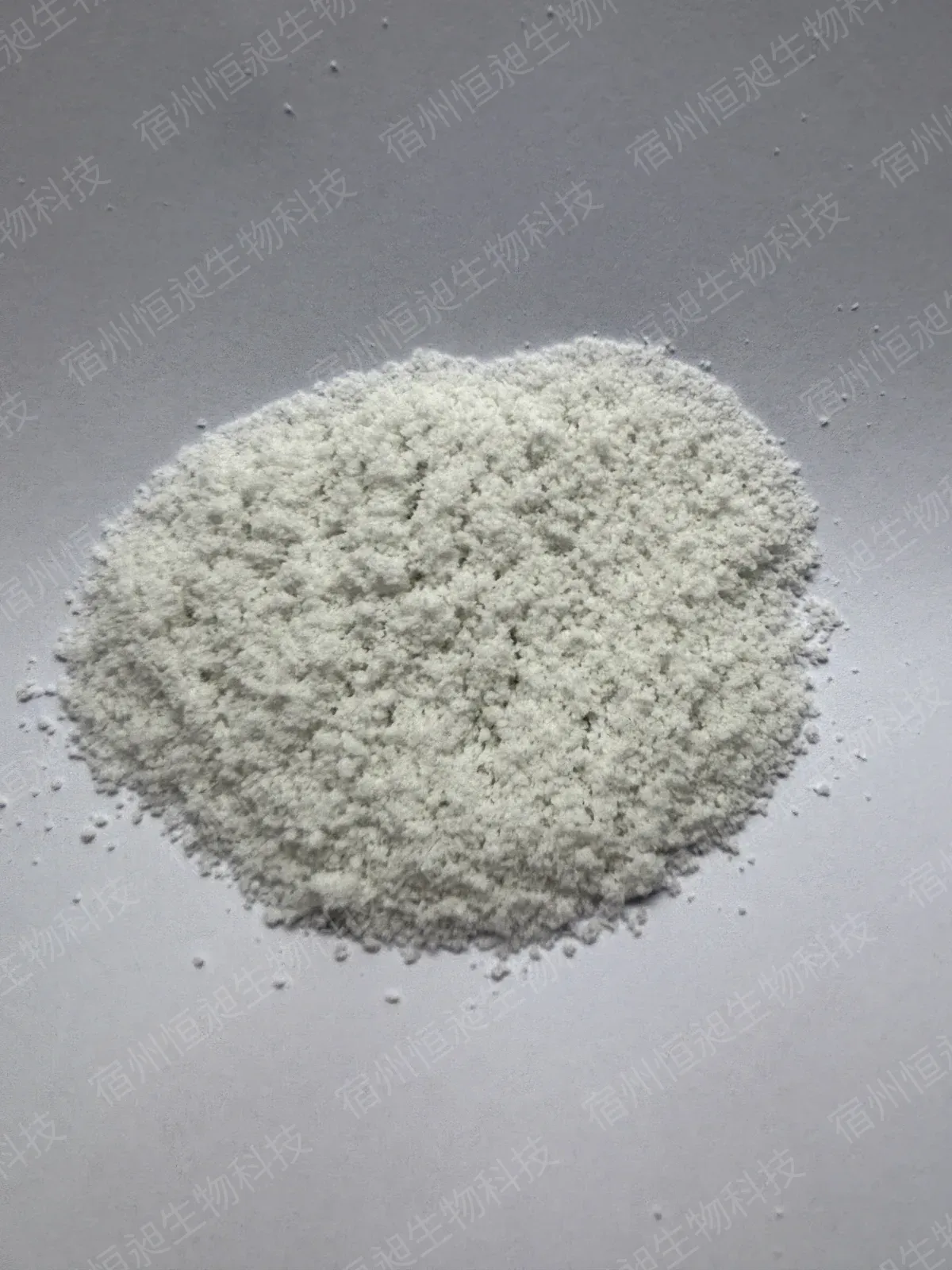
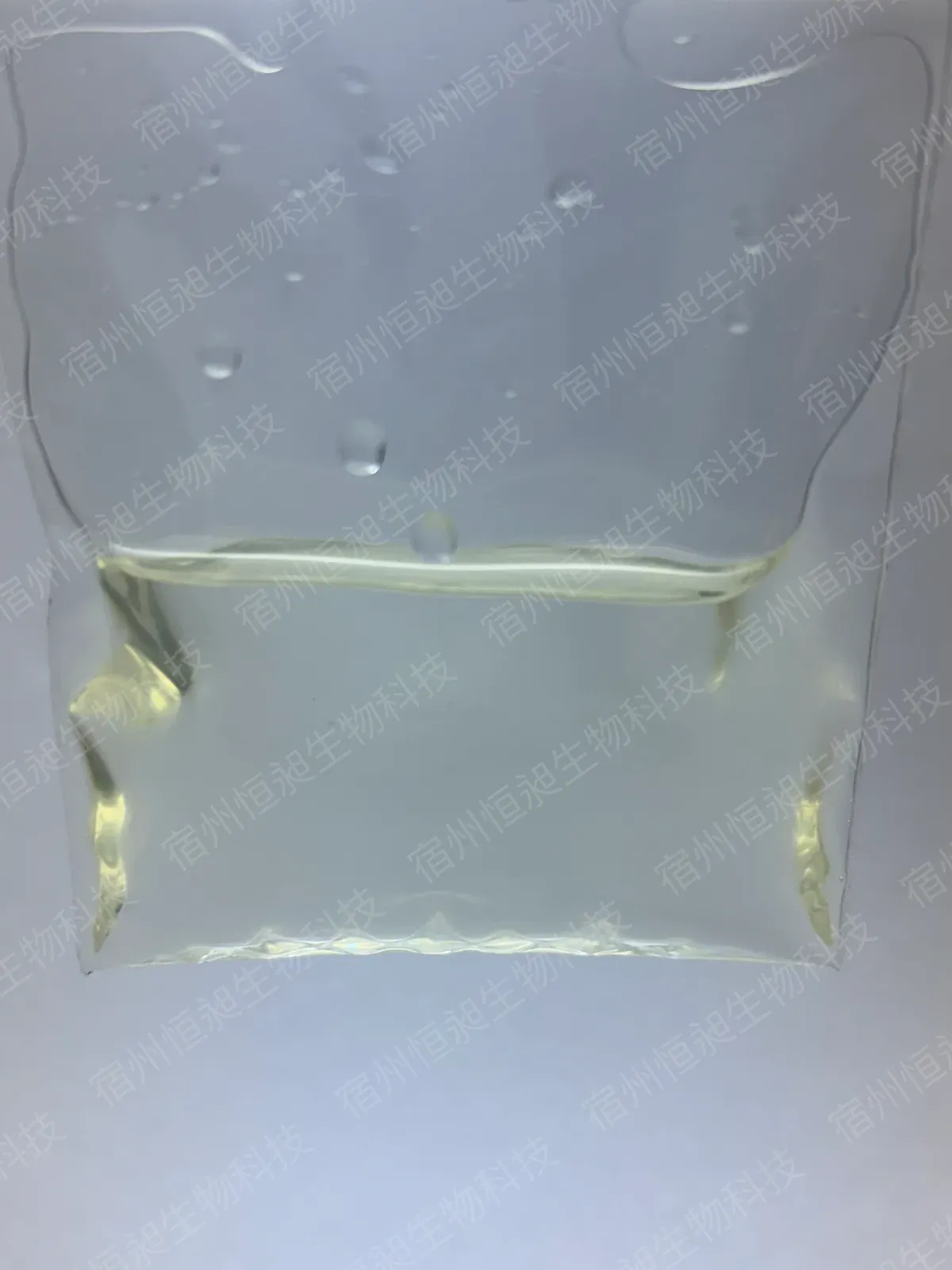
The melting point is 34-36°C (see specifications); at ambient temperatures near or above it the material is liquid, and at low temperatures it may partially solidify — both are normal states. Verify the physical state batch by batch before charging.
It is insoluble in water — how is it charged?
The product is soluble in ethanol and other organic solvents and insoluble in water (see specifications); the medium and charging method for dye synthesis follow the customer's process, and the solubility data serve as a reference for pre-charge verification.
What are the assay and impurity specifications?
Assay (GC) ≥99.0%, N-ethylaniline ≤0.5%, N,N-diethylaniline ≤0.3%, moisture ≤0.2% (see specifications); production and release inspection follow the specifications on this page, and batch data is confirmed with our sales team during inquiry.
What packaging and order quantities are available?
Standard packaging is a 200 kg iron or plastic drum, and custom packaging is available. Sample arrangements and order quantities can be discussed during inquiry; regular batches are produced against the order schedule.
What are the storage, transport and identification notes?
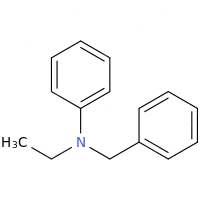
Store sealed in a cool, dry, well-ventilated place away from heat, sparks and open flames, avoiding direct sunlight. Transport classification follows the goods transport appraisal report and the carrier's requirements. Quoting CAS number 92-59-1 in inquiries avoids confusion with similarly named substances such as N-ethylaniline (CAS 103-69-5); in international procurement EBA is also used for this product.