Skip to content
HC Technology
Diisopropyl Succinate
Categories:
Colorants & Intermediates

Diisopropyl Succinate

Alias
Diisopropyl butanedioate / Succinic Acid Diisopropyl Ester / Butanedioic acid bis(1-methylethyl) ester
CAS No.
Molecular Formula
C10H18O4
Structure
Diisopropyl Succinate Chemical Structure
Product Details

Product Overview

Product Summary

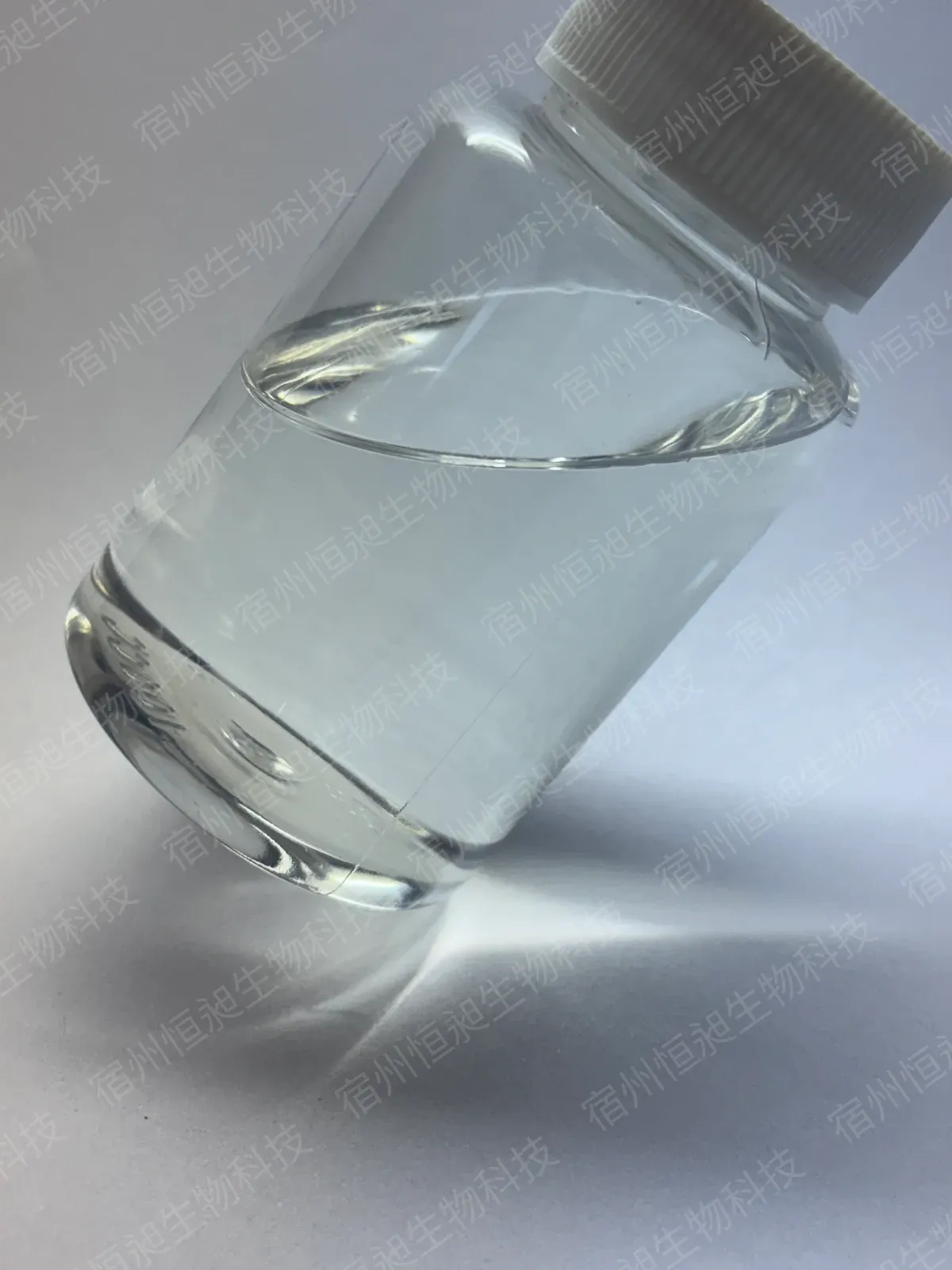
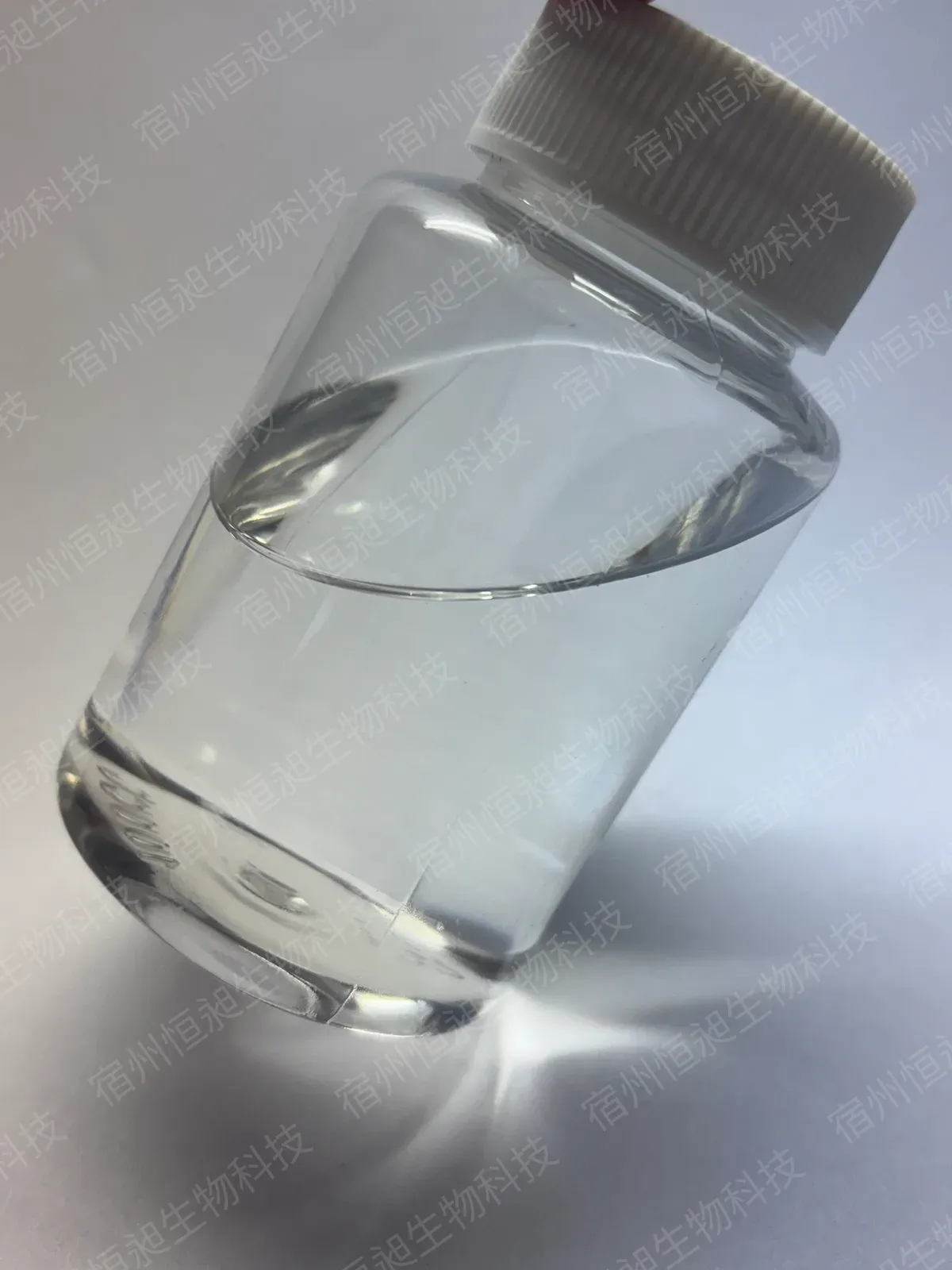
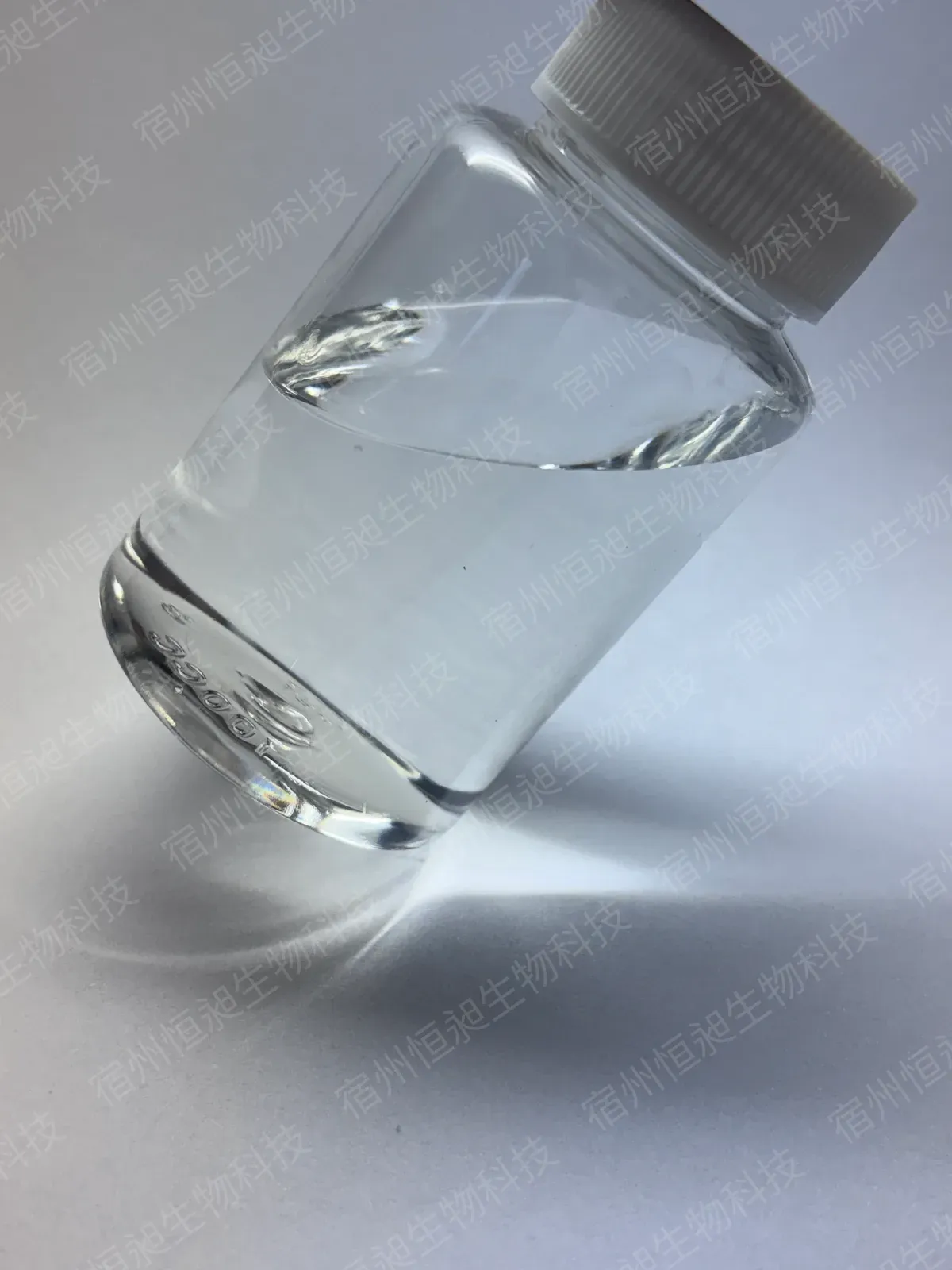
Diisopropyl succinate, also known as succinic acid diisopropyl ester, is the diester of succinic acid and isopropanol with molecular formula C10H18O4, molecular weight about 202.25 and CAS number 924-88-9. It is a colorless transparent liquid at room temperature with a boiling point of 228°C, a melting point of -40°C, a density of 0.99 g/cm³ and a refractive index of 1.4170-1.4190; it is insoluble in water and miscible with a variety of organic solvents (see specifications). This product boils at 228°C and is insoluble in water, while dimethyl succinate boils at 200°C with a water solubility of 8.5 g/L; that physical difference is the checkpoint when selecting between the two.

Usage

Diisopropyl succinate has records of a light ester-like odor; perfume and cosmetic directions should be assessed with samples, and buyers are responsible for confirming compliance under the regulations of the target market. In plasticizer applications, plasticizers adjust the flexibility and processability of plastics, with formulation levels and plasticizing effect subject to the customer's process validation. It also serves as a solvent and auxiliary agent for dyes and pigments, and as an intermediate in the synthesis of other organic compounds.
Applications

Applications by Industry

Fragrance & Personal Care

Diisopropyl succinate has records of a light ester-like odor; aroma performance in perfume and cosmetic directions should be assessed with samples, and compliance follows the regulations of the target market, with buyers responsible for confirming use. As an ester component in personal-care formulations, its solubility profile - insoluble in water, miscible with organic solvents (see specifications) - determines how it is incorporated and which phase systems it suits; formulation fit should be verified in the actual system.

Plastics Processing (Plasticizer Direction)

In plasticizer applications, plasticizers are used to adjust the flexibility and processability of plastics, with formulation levels and plasticizing effect subject to the customer's process validation; the lower volatility associated with its 228°C boiling point (see specifications) relates to processing-temperature demands in plasticizer applications, and the density of 0.99 g/cm³ and refractive index of 1.4170-1.4190 serve as batch checkpoints.

Dye & Pigment Processing Aid

It can be used as a solvent and auxiliary agent for dyes and pigments, and as an intermediate in the synthesis of other organic compounds. For pigment-processing uses, the colorless transparent appearance can be checked against the specifications on this page, with batch data confirmed by our sales team during inquiry.
Specifications

Technical Specifications

Product Specifications
Appearance Colorless transparent liquid
Melting point °C -40
Boiling point °C 228
Density g/cm³ 0.99
Refractive index 1.4170–1.4190
Solubility Miscible with various organic solvents; insoluble in water
Logistics

Packaging, Storage & Transport

Packaging

200 kg iron or plastic drum; custom packaging available upon request. Sample arrangements and order quantities can be discussed during inquiry.

Storage

Store sealed in a cool, dry, well-ventilated place; protect from light, heat and moisture

Transport

Transport classification follows the goods transport appraisal report and the carrier's requirements

FAQ

Frequently Asked Questions

What are common aliases for diisopropyl succinate?
Common aliases include succinic acid diisopropyl ester and butanedioic acid bis(1-methylethyl) ester; diisopropyl butanedioate in English-language materials also refers to this product. Quoting CAS number 924-88-9 in inquiries helps avoid confusion with homologues such as dimethyl succinate or diethyl succinate.
What are the key physical properties and specifications?
Colorless transparent liquid with a boiling point of 228°C, melting point -40°C, density 0.99 g/cm³ and refractive index 1.4170-1.4190; insoluble in water and miscible with a variety of organic solvents (see specifications). Production and release inspection follow the specifications on this page, with batch data confirmed by our sales team during inquiry.
How do I choose between diisopropyl succinate and dimethyl succinate?
Both are succinate esters: this product boils at 228°C and is insoluble in water, while dimethyl succinate boils at 200°C with a water solubility of about 8.5 g/L. Select by your system's solubility and evaporation-rate requirements, and verify in the actual formulation.
What applies to perfume and cosmetic directions?
The product has records of a light ester-like odor; perfume and cosmetic directions should be assessed with samples, and dosage is set by the perfume formulation, with small-scale trials of the actual formulation recommended first. Where the end product contacts skin or food, compliance follows the regulations of the target market, and buyers are responsible for confirming compliant use.
What packaging and order quantities are available?
Standard packaging is a 200 kg iron or plastic drum, and custom packaging is available. Sample arrangements and order quantities can be discussed during inquiry; regular batches are produced against the order schedule.
What are the storage and transport requirements?
Store sealed in a cool, dry, well-ventilated place, protected from light, heat and open flame; transport classification follows the goods transport appraisal report and the carrier's requirements, with packaging kept intact.