What is the relationship between Acid Blue 9 and Brilliant Blue FCF?
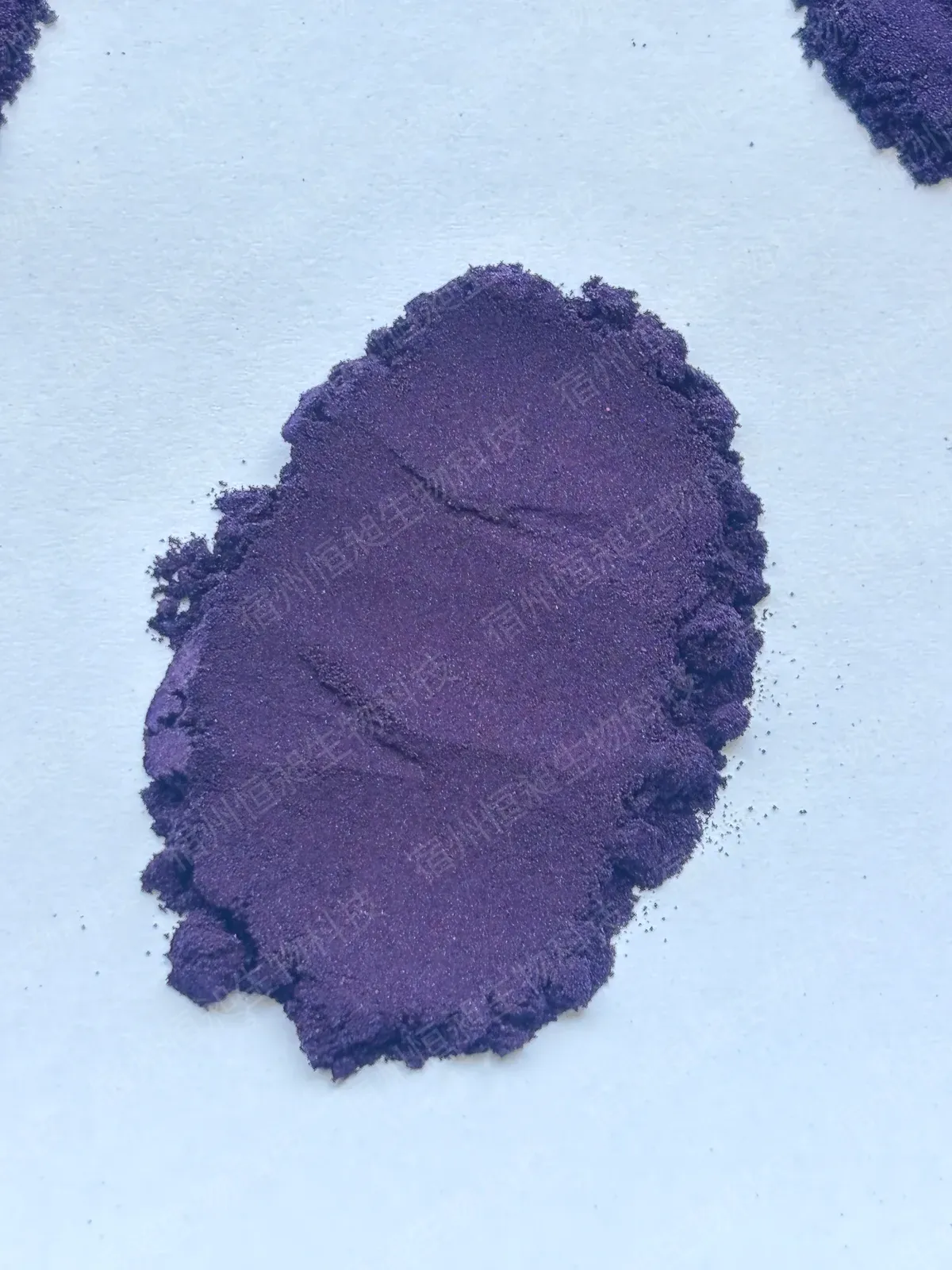
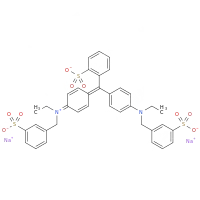
They are different names for the same substance. Acid Blue 9, Brilliant Blue FCF, C.I. 42090 and Erioglaucine disodium salt all refer to the structure behind CAS number 2650-18-2; quoting the CAS number in inquiries avoids confusion with similarly named blue dyes.
Which key specifications should be confirmed before purchase?
Assay (dry basis) ≥85.0%, loss on drying (135°C) ≤10.0%, water-insoluble matter ≤0.2%, subsidiary dyes ≤6.0%, arsenic ≤1 mg/kg, lead ≤10 mg/kg, heavy metals (as Pb) ≤20 mg/kg, pH 5.0–7.0 for a 1% aqueous solution and maximum absorption at 628 nm (see specifications). Production and release inspection follow the specifications on this page; batch data is confirmed with our sales team during inquiry.
What should I note when blending green shades with yellow colorants?
In the industry, green shades are commonly blended with combinations of brilliant blue and yellow colorants. The ratio depends on the target shade and the application system; confirm the level and dosing method with small-scale trials of the actual formulation first.
What applies to food or cosmetics directions?
The specifications on this page are routine release control items for this colorant; in food or cosmetics directions, whether a specific use is permitted and its limits follow the current regulations of the target market, and buyers are responsible for confirming compliance. Specification requirements can be discussed item by item during inquiry.
What packaging and order quantities are available?
Standard packaging is a 25 kg carton, and custom packaging is available. Sample arrangements and order quantities can be discussed during inquiry; regular batches are produced against the order schedule.
What are the storage and transport requirements?
Store sealed in a cool, dry, well-ventilated place, protected from light and heat; transport classification follows the goods transport appraisal report and the carrier's requirements, with packaging kept intact.