Skip to content
HC Technology
Isopropyl Palmitate
Categories:
Personal Care Ingredients

Isopropyl Palmitate

Alias
IPP / Isopropyl hexadecanoate / Palmitic acid isopropyl ester / Hexadecanoic acid isopropyl ester / Palmitic acid 1-methylethyl ester
CAS No.
Molecular Formula
C19H38O2
Structure
Isopropyl Palmitate Chemical Structure
Product Details

Product Overview

Product Summary

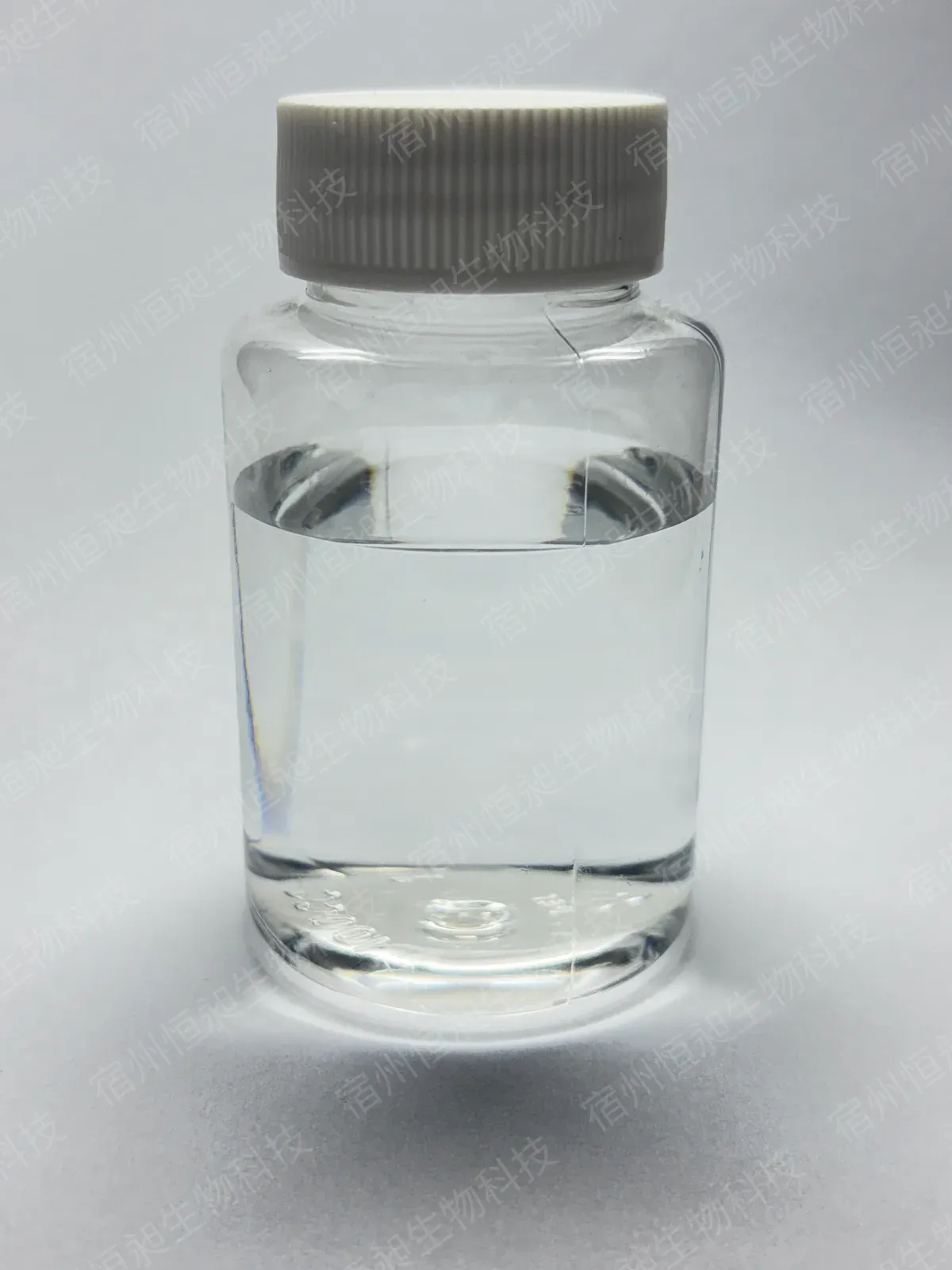
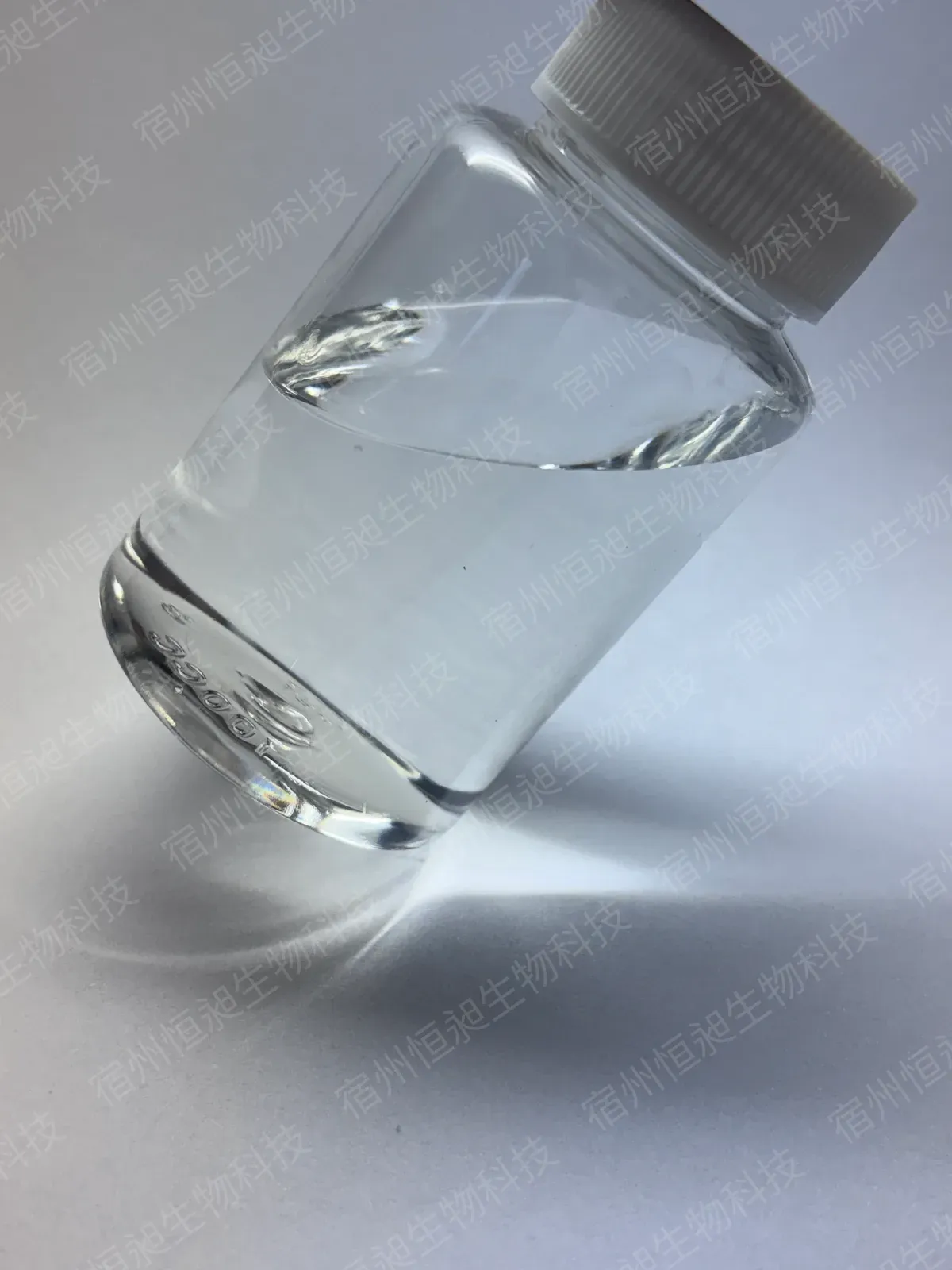
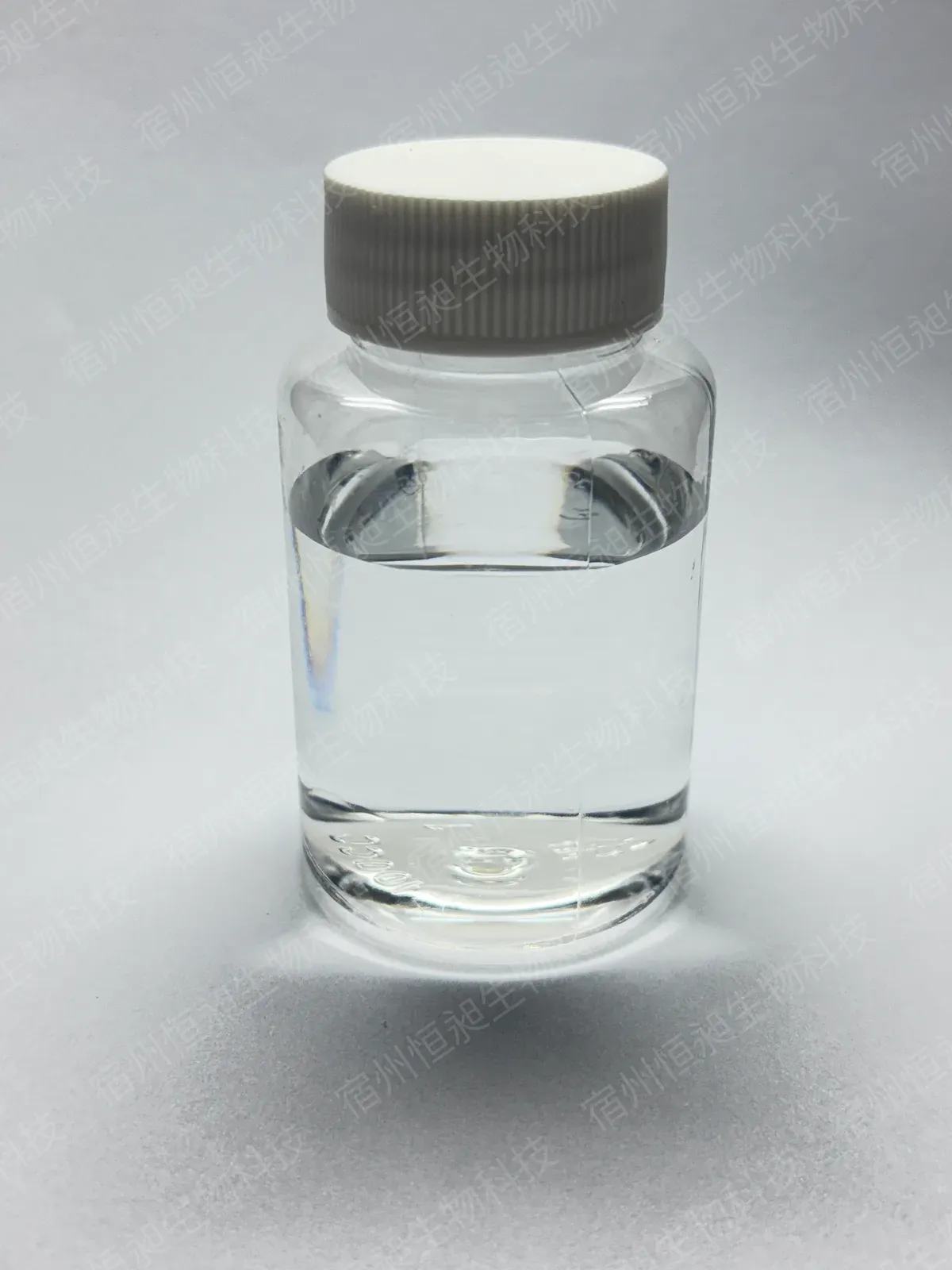
Isopropyl palmitate (IPP) is the ester of palmitic acid (hexadecanoic acid) and isopropanol, with molecular formula C19H38O2 and molecular weight 298.51, CAS number 142-91-6. At room temperature it is a colorless to light yellow transparent oily liquid, melting at 11-13°C with a freezing point at or below 16°C and a boiling point of 160°C (see specifications), density (20°C) 0.852-0.854 g/mL and refractive index (specification) 1.4350-1.4390; it is soluble in alcohol and ether and insoluble in water (see specifications). GC assay ≥98.0, acid value ≤0.5, iodine value ≤1.0 and moisture ≤0.2% (see specifications). Compared with the homolog isopropyl myristate (C17H34O2, molecular weight 270.45, melting point 3°C), this product has two more carbons in the chain and a melting range 8-10°C higher (each per its own page's specifications); both are fatty acid isopropyl ester emollient raw materials. This page lists release-control items only; this product is not registered as a pharmaceutical excipient, and suitability for pharmaceutical use must be assessed by the buyer under applicable drug regulations.

Usage

Downstream applications include cosmetics, personal care, color cosmetics and industrial lubricants. Literature-reported emollient and conditioning uses include improving the spreadability of creams and lotions (per public literature; finished-product skin feel is verified in each formula); where end products contact the skin, compliance follows the target market's regulations, and buyers are responsible for confirming use compliance. Its use as a pigment-wetting and dispersion carrier in color cosmetics appears in published literature (per public literature). The product is also used as a topical-formulation solvent and in metalworking fluids and textile auxiliaries; where the downstream application is pharmaceutical, registration and compliance requirements are assessed by the buyer under applicable drug regulations.
Applications

Applications by Industry

Creams, Lotions & Cleansing Formulas

Downstream applications include use as an emollient ester raw material in creams, lotions, hair conditioners and other emulsion or cleansing formulas. Literature-reported emollient and skin-feel conditioning uses include improving spreadability (per public literature; finished-product skin feel is verified in each formula) (for cosmetic uses: permitted uses and limits follow the target market's current regulations). GC assay ≥98.0 and acid value ≤0.5 (see specifications) can be checked item by item against this page for acid-sensitive formulas; with a freezing point at or below 16°C (see specifications), appearance should be re-checked after cold-season storage or transport before use.

Color Cosmetics Carrier

Published literature reports its use as a pigment-wetting and dispersion carrier in color cosmetics (per public literature) (for cosmetic uses: permitted uses and limits follow the target market's current regulations). The product is an oil-soluble ester, soluble in alcohol and ether and insoluble in water (see specifications); pigment pre-treatment and dispersion processes are verified in the actual formulation, and finished-product stability and color development are verified in the finished formula.

Industrial Lubricants & Auxiliaries

The product can be used as a base oil or additive for metalworking fluids and textile auxiliaries; such uses are industrial, and process suitability and blending schemes are assessed on the buyer's own production lines.
Specifications

Technical Specifications

Product Specifications
Appearance Colorless to light yellow transparent oily liquid
Content (GC) % ≥98.0
Acid value KOH/g ≤0.5
Iodine value g I₂/100g ≤1.0
Refractive index (specification) 1.4350–1.4390
Density (20°C) g/mL 0.852–0.854
Freezing point °C ≤16
Moisture % ≤0.2
Melting point °C 11–13
Boiling point °C 160
Refractive index (reference) 1.438
Solubility Soluble in alcohol and ether; insoluble in water
Logistics

Packaging, Storage & Transport

Packaging

50 kg plastic drum or 175 kg iron drum; custom packaging available upon request. Sample arrangements and order quantities can be discussed during inquiry, and regular batches are produced against the order schedule.

Storage

Store sealed in a cool, dry, well-ventilated place; keep away from direct sunlight, heat and fire

Transport

Transport classification follows the goods transport appraisal report and the carrier's requirements

FAQ

Frequently Asked Questions

What are the assay and main specifications of isopropyl palmitate?
A colorless to light yellow transparent oily liquid with GC assay ≥98.0, acid value ≤0.5, iodine value ≤1.0 and moisture ≤0.2% (see specifications), density (20°C) 0.852-0.854 g/mL and refractive index (specification) 1.4350-1.4390. The product is produced and released against the specifications on this page; batch figures are confirmed with our sales team during inquiry.
How do I choose between it and isopropyl myristate (IPM)?
Both are fatty acid isopropyl esters: this product is the hexadecanoic (C16) acid ester, molecular weight 298.51, melting at 11-13°C with freezing point ≤16°C, density (20°C) 0.852-0.854 g/mL and GC assay ≥98.0; isopropyl myristate is the tetradecanoic (C14) acid ester, molecular weight 270.45, melting at 3°C with relative density 0.846-0.854 and assay (as C17H34O2) ≥90.0 (each per its own page's specifications). The differences in chain length, melting range and assay specification correspond to different formula needs; selection follows downstream verification.
How is it used in color cosmetics?
The literature-reported use direction is as a pigment-wetting and dispersion carrier (per public literature). The product is an oil-soluble ester (soluble in alcohol and ether, insoluble in water, see specifications) and is commonly used to pre-treat pigments before dispersing them into the formula; specific processes and use levels are verified in the actual formulation.
What state changes can appear at low temperatures?
With a melting point of 11-13°C and a freezing point at or below 16°C (see specifications), increased viscosity or full solidification at low temperatures is the normal physical behavior of a substance in this melting range; after returning to room temperature and homogenizing, the appearance state should be re-checked, and whether it affects use is assessed on the buyer's own production lines.
What packaging and order quantities are available?
Standard packaging is a 50 kg plastic drum or 175 kg iron drum, and custom packaging is available. Sample arrangements and order quantities can be discussed during inquiry; regular batches are produced against the order schedule.
What are common aliases for isopropyl palmitate in procurement?
Common aliases include IPP, isopropyl hexadecanoate and hexadecanoic acid isopropyl ester. Quoting CAS number 142-91-6 in inquiries avoids confusion with similarly named esters such as isopropyl myristate (CAS 110-27-0).